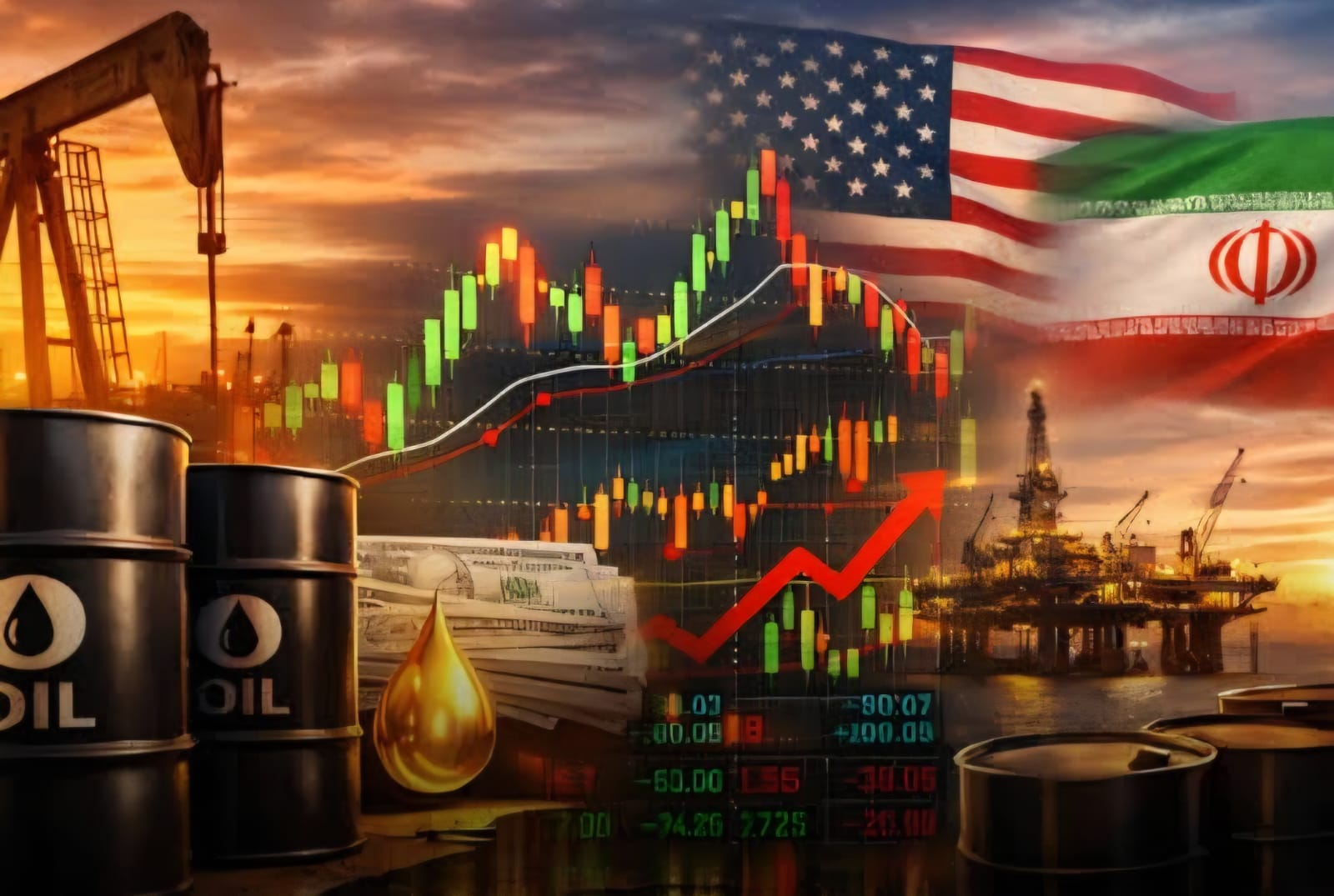
Market analysts report that global equity trends are currently being driven by a combination of geopolitical tensions in West Asia, upcoming quarterly corporate earnings reports, and volatility in crude oil prices. These interconnected macroeconomic factors are dictating capital flows, altering domestic inflation metrics, and shifting investor risk appetite.
MUMBAI, INDIA — Following a volatile trading week that snapped a four-week winning streak, global equity markets are facing a critical turning point. Market analysts reported on July 12, 2026, that the near-term trajectory of the financial markets will be heavily dictated by an intersecting trio of major catalysts: escalating geopolitical tensions in West Asia, the rollout of first-quarter corporate earnings, and fluctuating crude oil prices. As retail and institutional investors navigate this multi-layered risk landscape, these core macroeconomic factors are expected to trigger sharp swings across major global indices, reshaping near-term risk-on appetite.
Geopolitical Friction Redefines Emerging Market Sentiments
The ongoing friction between the United States and Iran remains the primary headwind for cross-border capital flows. In early July 2026, market stability was severely tested following an escalation in the West Asia region, which included temporary supply threats surrounding the strategic Strait of Hormuz.
According to data compiled by institutional trackers, Foreign Institutional Investors (FIIs) have exhibited alternating behaviors, heavily selling off equity assets during initial military flare-ups before returning as net buyers once diplomatic backchannels hint at stabilization.
"Global developments surrounding the geopolitical conflict and their subsequent impact on international energy corridors remain the single most crucial monitorable for equities this month," noted Ajit Mishra, Senior Vice President of Research at Religare Broking.
While long-term domestic structural indicators remain resilient, short-term liquidity continues to dance directly to the tune of geopolitical headlines.
Q1 Corporate Earnings Take Center Stage
Simultaneously, the corporate earnings calendar for the first quarter of the 2027 financial year (Q1 FY27) is gathering pace, providing an essential look into corporate fundamentals under inflationary strains.
| Sector | Key Focus Metrics | Anticipated Impact |
| Banking & Finance | Net Interest Margins (NIMs), Asset Quality | High credit growth is supporting near-term valuation floors. |
| Information Technology | Deal pipelines, Artificial Intelligence (AI) operationalization | Spending cycles are seeing a minor structural slowdown. |
| Automotive & Consumer Goods | Input costs, rural demand recovery | Progress of the monsoon will dictate volume pick-up. |
Market observers emphasize that corporate management commentary regarding profit margins will play a pivotal role in shaping sectoral trends. Prominent financial institutions and technology giants are scheduled to publish their financial balance sheets within the week, which will act as a secondary litmus test for high market valuations.
Crude Oil Prices Drive Inflationary Math
The final leg of the market's steering mechanism rests squarely on the price of Brent crude. India, which imports more than 80% of its domestic petroleum requirements, is structurally exposed to energy market volatility. When West Asian geopolitical conflicts spike, crude oil prices tend to follow, widening the national current account deficit, weakening the local currency, and eroding corporate operating margins.
According to data from the U.S. Energy Information Administration (EIA), Brent crude prices averaged approximately $85 per barrel in June before sliding toward the $71–$72 range as supply-side panic eased. Analysts note that sectors like aviation, paints, and logistics remain highly sensitive to these movements, with any permanent stabilization in energy prices viewed as a net positive for equities.
Official Sources Section
The underlying fundamental forecasts, corporate tracking metrics, and energy data utilized in this outlook were collated from official corporate disclosure reports, historical exchange transaction datasets from major bourses, and formal commodity monitoring briefs published by the U.S. Energy Information Administration (EIA).
Quote Section
Analyzing the underlying domestic macro triggers alongside global cues, Santosh Meena, Head of Research at Swastika Investmart Ltd, stated:
"This week will see earnings from several major companies. On the macroeconomic front, inflation data will remain an important trigger. Investors will also closely monitor the progress of the monsoon, given its implications for rural demand."
Why It Matters
For retail investors, understanding these three variables is critical for capital allocation. Sustained high oil prices mean a higher cost of living and compressed earnings for consumer-facing companies. Conversely, stable corporate earnings can decouple equities from geopolitical noise, offering defensive entry opportunities in a volatile tape.
Key Facts at a Glance
Geopolitical Overhang: Market direction remains highly sensitive to diplomatic or military developments between the US and Iran.
Earnings Season: First-quarter corporate earnings commentary will determine if current premium equity valuations are sustainable.
Crude Volatility: Oil prices hitting $76 per barrel put temporary pressure on import-dependent economies before stabilizing around $72.
Macro Data Triggers: Upcoming Consumer Price Index (CPI) and Wholesale Price Index (WPI) inflation releases will guide global monetary policy expectations.
FAQ Section
Q1: Why does a conflict thousands of miles away drop local stock indices?
Modern financial systems are highly interconnected through capital flows and commodity supply chains. Geopolitical risks cause foreign investors to pull capital out of emerging markets to seek lower-risk safe havens.
Q2: Which sectors are most vulnerable to crude oil price hikes?
Industries that rely heavily on oil as a raw material or major operational expense—such as paint manufacturers, aviation firms, tire makers, and logistics companies—see their profit margins squeezed when crude spikes.
Q3: How are corporate earnings currently performing?
Initial early business updates show robust credit growth within the banking sector, while technology and IT services are navigating a brief cyclical slowdown as they transition to AI integration.
Source: Religare Broking Research, U.S. Energy Information Administration (EIA) Outlook