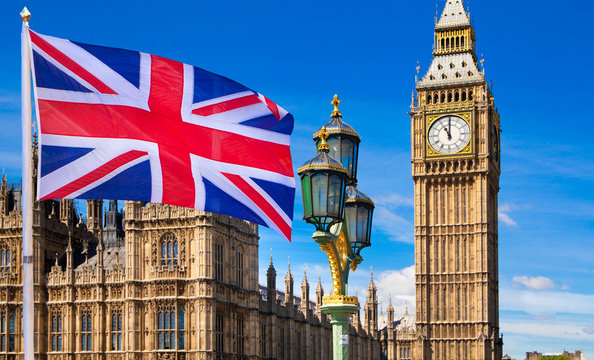
Tourism boards and language experts are advising international visitors on how to interpret British slang during the 2026 summer travel peak. The guide explains that the word "alright" functions as a casual "hello" rather than a medical inquiry, helping tourists avoid social confusion during public interactions.
LONDON — As millions of international visitors arrive across the United Kingdom for the peak summer travel season, national tourism boards and language experts have issued updated cultural advisories to help travelers navigate local communication styles. The primary objective is to teach global travelers how to decode the word 'alright' as a tourist in the UK, preventing frequent misunderstandings in hotels, restaurants, and transit hubs. Sociolinguists emphasize that mastering this ubiquitous term is crucial today because its dual function as both a casual greeting and a literal inquiry frequently confuses visitors, leading to awkward social friction during their travels.
The Linguistic Dualism of 'Alright' in British Daily Interaction
According to linguistic datasets compiled by the British Council and cultural orientation briefs from VisitBritain, the term "alright"—frequently pronounced as "y'alright" or "alreet" in northern regions—functions primarily as a phatic expression rather than a genuine request for medical or psychological disclosure. For most domestic citizens, the phrase translates directly to a simple "hello" or "hi".
However, data logs from visitor feedback systems show that international tourists, particularly those from North America and East Asia, frequently misinterpret the phatic nod. To successfully decode the word 'alright' as a tourist in the UK, travelers must realize that the local speaker is rarely asking about their physical well-being. Instead, it is an informal verbal handshake. Sociolinguists note that answering the prompt with a lengthy medical or emotional status update often catches locals off guard, as British communication customs highly value brevity and social understatement.
Regional Variations and Structural Etiquette
The structural application of the term changes based on geographic location and social context. Reports from regional tourism authorities in England, Scotland, and Wales indicate that variations such as "alright, mate" are prevalent in London and the Southeast, while "alright, love" or "ey up" dominates the Midlands and the North.
To properly decode the word 'alright' as a tourist in the UK, visitors must analyze the speaker's vocal intonation. Language instructors state that a rising, single-syllable pitch usually indicates a routine greeting that requires no actual answer, or simply a mirrored "alright" in response. Conversely, a falling or prolonged intonation typically transforms the word into a genuine inquiry about a person's condition, usually reserved for situations where someone appears visibly distressed or injured.
Impact on the Travel Industry and Hospitality Logistics
For hospitality operators, retail businesses, and international investors expanding into the British services market, staff training programs increasingly address these communicative gaps. Frontline service workers at major transit gateways like London Heathrow Airport are trained to adjust their phrasing when welcoming international arrivals to prevent customer confusion.
Concurrently, travelers who take the time to decode the word 'alright' as a tourist in the UK report higher satisfaction scores and smoother daily transactions during their stay. Understanding that a casual "alright?" from a pub bartender or hotel concierge is just a standard greeting allows tourists to respond confidently with a brief "Yeah, not bad, thanks," keeping interactions fluid and efficient.
Official Sources Section
Linguistic definitions, cultural behavioral patterns, and regional tourist data are verified through official guidelines published by VisitBritain and educational materials managed by the British Council. Supplementary dialectical context is cross-referenced with sociolinguistic research databases from the Oxford University Press.
Quote Section
"According to officials at national tourism agencies, localized colloquialisms remain one of the biggest initial hurdles for incoming international visitors. Language experts state that understanding the phatic nature of local greetings drastically reduces social anxiety for tourists navigating public spaces."
Why It Matters
Decoding everyday regional dialects has immediate practical benefits for global travelers. By learning to decode the word 'alright' as a tourist in the UK, individuals avoid unnecessary social misunderstandings, build quick rapport with service staff, and navigate public transit or hospitality venues with the confidence of a seasoned traveler.
Key Facts at a Glance
Phatic Greeting: The term "alright" is primarily used throughout the UK as a casual synonym for "hello," not a literal question about one's health.
Intonation Key: A rising tone indicates a standard greeting, while a falling tone signifies a genuine inquiry into someone's well-being.
Optimal Response: The most socially appropriate response is a brief, positive acknowledgement like "Yeah, good thanks, you?" or simply repeating "Alright?" back.
Widespread Use: The term is universally accepted across all demographics, though regional tags like "mate" or "love" vary by territory.
FAQ Section
Do British people expect a detailed answer when they say 'alright'?
No. In almost all casual contexts, the phrase is a verbal handshake. Giving a long explanation about your day or health will likely confuse the speaker.
How should a tourist respond to 'alright' in a shop or pub?
The standard and most natural response is a short phrase such as "Yeah, not bad, cheers!" or "Alright, thanks!" followed by a polite nod.
Does the phrase change meaning across different parts of the UK?
While the fundamental meaning as a greeting remains the same, regional pronunciations (like "alreet" in the North) and added words (like "mate" in London or "love" in Yorkshire) will vary.
Source: VisitBritain Cultural Advisory Boards, British Council English Language Education Division, and Oxford Sociolinguistics Research Archive.