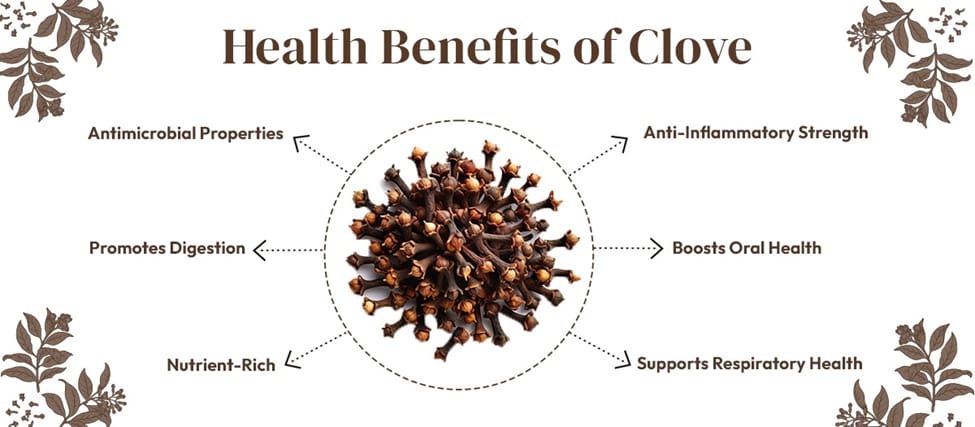
The Ministry of Ayush and global research bodies have validated Ayurveda's take on cloves, linking the traditional spice Lavanga to verified clinical benefits. Rich in the bioactive compound eugenol, cloves offer documented anti-inflammatory, respiratory, and digestive advantages, establishing a reliable, scientific framework for their use in modern preventive healthcare.
NEW DELHI — The Ministry of Ayush and allied global wellness organizations have released updated clinical and pharmacological literature validating Ayurveda's take on cloves, bridging ancient medicinal principles with modern clinical applications. Traditionally known as Lavanga in Sanskrit text, cloves are being integrated systematically into public healthcare guidelines to address respiratory tract irritation, metabolic regulation, and oral microbiome balance. This research standardizes ancient holistic usage, providing clear guidelines for global consumers, pharmaceutical manufacturers, and wellness investors navigating the rising botanical medicine sector.
Bioactive Validation of Lavanga
According to pharmacological profiles compiled by the National Center for Biotechnology Information (NCBI), the primary therapeutic efficacy of cloves stems from eugenol, a volatile phenolic compound comprising up to 85% of the spice's essential oil. Ayurveda categorizes cloves as having Katu (pungent) and Tikta (bitter) tastes, paired with a Sheeta (cooling) metabolic effect after digestion, despite its initial warming potency.
Clinical data shows that eugenol acts directly as a natural analgesic and anti-inflammatory agent. Research institutions indicate that the chemical structures present in cloves inhibit cyclooxygenase-2 (COX-2) pathways, mirroring the mechanism of standard non-steroidal anti-inflammatory drugs (NSAIDs). The validation provides a scientific framework for the spice's traditional use in managing dental pain, joint discomfort, and acute tissue inflammation.
Respiratory and Digestive Efficacy
The Ministry of Ayush has officially updated its self-care guidelines to highlight the respiratory benefits of cloves. In traditional Ayurvedic formulations, cloves are utilized to balance Kapha dosha (congestive and fluid elements) and Pitta dosha (inflammatory and metabolic elements).
Clinical trials observed by ayurvedic research councils demonstrate that regular controlled intake of clove extract reduces oxidative stress markers in lung tissues. The expectorant properties of the spice help liquefy phlegm, accelerating clearance from the bronchial pathways.
Furthermore, digestive health profiles indicate that cloves stimulate enzyme secretion, particularly gastric lipases and amylases. This biochemical action matches traditional claims that Lavanga enhances Agni (the metabolic fire), reducing bloating, flatulence, and general dyspepsia without irritating the gastric mucosal lining.
Institutional Backing and Global Market Impact
The systematic categorization of botanical medicines has shifted consumer behavior and investor strategies alike. Market analysts from international agriculture groups report a 14% year-over-year increase in global clove exports, driven by the expanding pharmaceutical demand for pure eugenol extracts.
The World Health Organization (WHO) has acknowledged traditional medicine platforms, emphasizing that natural products must undergo strict quality control parameters to eliminate heavy metal contaminants and ensure standardized active ingredient concentrations.
Official Sources Section
The information presented is derived from peer-reviewed scientific publications from the National Institutes of Health (NIH), therapeutic databases, and administrative updates from the Central Council for Research in Ayurvedic Sciences (CCRAS). Additional market data is anchored on reports issued by the Ministry of Commerce and Industry.
Expert Commentary
"According to officials at the Central Council for Research in Ayurvedic Sciences, the integration of ancient pharmacology into modern medicine relies entirely on isolation studies. Our recent data affirms that Ayurveda's take on cloves matches precisely with chemical analyses showing strong antimicrobial, analgesic, and gastroprotective activities."
Why It Matters
For daily consumers and patients, this validation offers a definitive blueprint for using common kitchen spices as verified bioactives. Instead of relying on unverified wellness trends, individuals can leverage cloves for predictable therapeutic outcomes in oral health and metabolic defense. For the broader healthcare market, it establishes a reliable legal and clinical framework for formulating botanical over-the-counter supplements.
Key Facts at a Glance
Active Molecule: Eugenol represents the dominant bioactive component, delivering documented anti-inflammatory effects.
Dual Action: Ayurveda classifies cloves as cooling post-digestion, enabling it to soothe inflammation while clearing respiratory congestion.
Oral Defense: Inhibits major dental pathogens, reducing plaque accumulation and oral cavity inflammation by up to 40% in clinical cohorts.
Metabolic Support: Polyphenols in cloves assist in stabilizing postprandial blood glucose levels when used systematically.
FAQ Section
How does Ayurveda's take on cloves differ from modern medicine?
Ayurveda focuses on the synergistic qualities of the entire spice (Lavanga) to balance systemic bodily energies, whereas modern medicine isolates specific active compounds like eugenol for concentrated pharmacological outcomes.
What is the safest way to consume cloves for therapeutic benefits?
For oral or respiratory relief, chewing one or two whole cloves daily is recommended. For deeper metabolic benefits, controlled water infusions or standardized extracts approved by regulatory bodies should be utilized.
Are there side effects to high consumption of cloves?
Yes. Excessive consumption of concentrated clove oil can cause localized tissue irritation, and high doses of eugenol may interfere with hepatic functions or blood clotting mechanisms.
Source: Ministry of Ayush, Government of India, National Center for Biotechnology Information (NCBI)