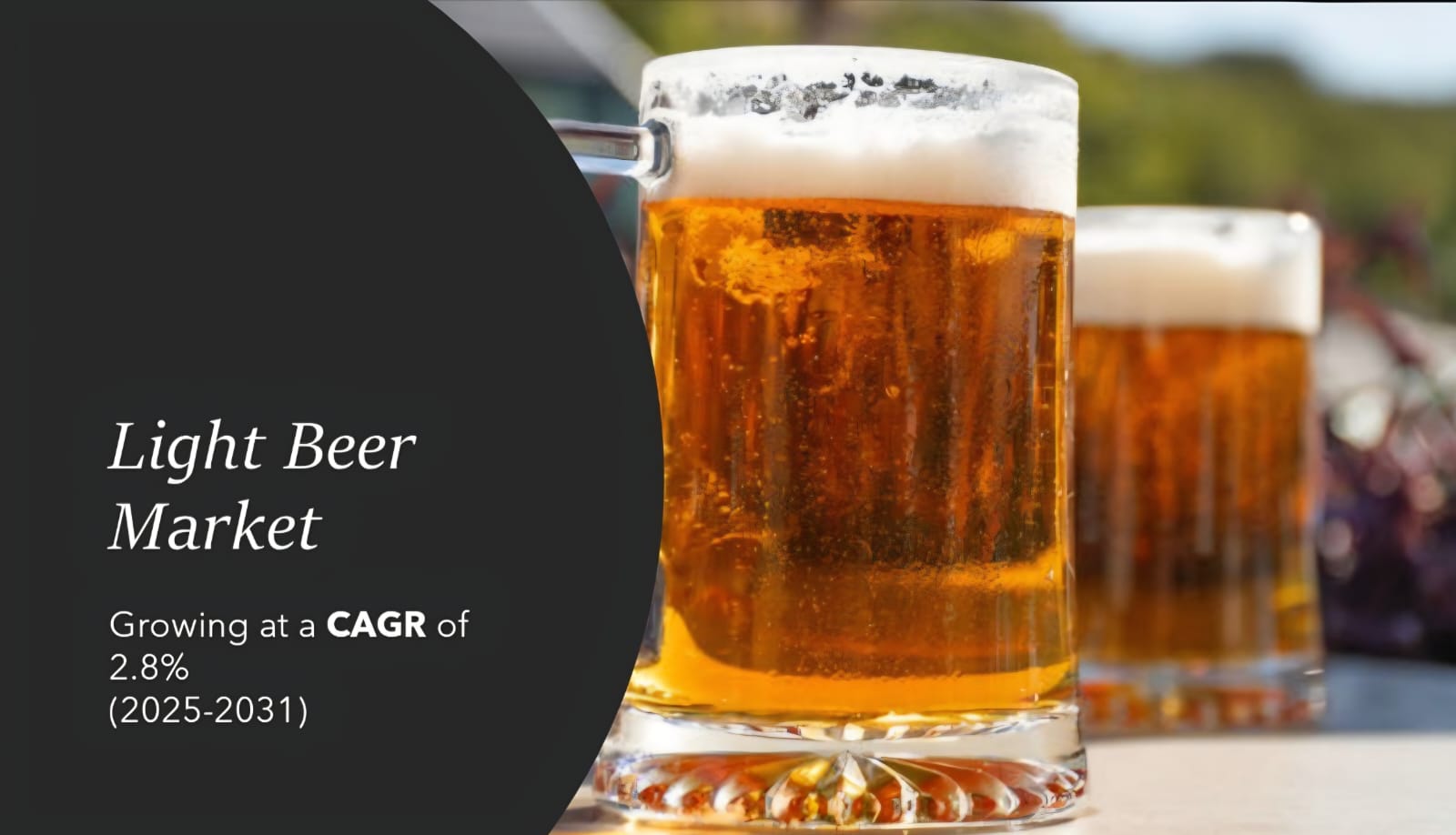
A consumer shift toward low-carbohydrate and low-alcohol options is reshaping Iceland's beverage sector. State retail data from Vínbúðin confirms Gull Lite is now the country's top-selling beer, forcing local craft breweries to reallocate production from heavy ales to light lagers to meet changing health-conscious demands.
REYKJAVÍK — A significant structural transformation is reshaping the Icelandic beverage market as consumer preferences rapidly pivot toward low-carbohydrate and low-alcohol alternatives. Data released by the state-owned alcohol retail monopoly, the State Alcohol and Tobacco Company of Iceland (ÁTVR), reveals that light beer has moved from a niche segment to dominate retail and hospitality sales nationwide. This market evolution is forcing local breweries to alter production schedules and reallocate resources away from once-dominant craft styles, such as India Pale Ales (IPAs), to satisfy a health-conscious domestic population.
State Retail Data Confirms Light Beer Dominance
Commercial statistics from Vínbúðin, the state-run liquor store network operated by ÁTVR, confirm that Gull Lite, a low-carbohydrate pale lager manufactured by the domestic beverage giant Ölgerðin, has risen to become the single best-selling beer product in the country.
According to executive statements from local macro-breweries, the overall production and retail sales of low-carbohydrate, light beers have experienced a three- to fourfold increase across Iceland over the last few years. This commercial trajectory marks a notable departure from the previous decade's microbrewery boom, which prioritized heavy, high-alcohol, and deeply flavored craft beers.
Government figures demonstrate that the shift is widespread, impacting both off-premise state stores and on-premise hospitality establishments in the capital region. The trend is accelerated by a growing public focus on reducing carbohydrate intake, lower caloric consumption, and a cultural migration toward intentional, mindful drinking practices.
Commercial Impact on Bars and Local Breweries
The reallocation of tap space and shelf inventory is causing a visible ripple effect across commercial businesses and independent hospitality operators in Reykjavík.
On-Premise Transformation: At prominent local venues such as Röntgen Bar in downtown Reykjavík, light beer now accounts for approximately two-thirds of all beer sales. Bar owners report that consumer inquiries for heavy IPAs have declined sharply, describing the current market as a cyclical consolidation toward refreshing, easier-to-drink options.
Brewery Adaptation: Independent craft producers are rapidly diversifying their portfolios to survive the market shift. Directors at Ölvisholt Brewery, a well-known regional microbrewery established in southern Iceland, confirmed they initiated dedicated light beer production lines to counter falling demand for standard ales.
Brewers note that advancements in regional fermentation technology have allowed low-carb, lower-alcohol beers to match the flavor profile and crisp texture of full-strength lagers. Consequently, the historical perception that alcohol strength dictates the premium quality of an Icelandic beer has diminished among modern consumers.
Context of the Icelandic Alcohol Market
The current shift toward light beer represents one of the most significant changes in domestic drinking habits since March 1, 1989, when Iceland officially lifted its 74-year ban on full-strength beer. Following legalization, beer quickly grew to comprise over 60% of all alcohol consumption in the country, according to historical data from the World Health Organization (WHO).
Because alcohol sales outside of bars are strictly restricted to the 46 official Vínbúðin outlets, ÁTVR retail metrics serve as a definitive index for nation-wide consumer trends. The current market reconfiguration coincides with broader structural adjustments, including a legal battle involving roughly 20 private online alcohol delivery platforms operating outside the historical state monopoly system.
Despite these shifting retail channels, the underlying consumer demand remains firmly anchored to lighter, lower-calorie functional beverages.
Official Sources Section
Data regarding sales volumes, product rankings, and market composition originates from official statements and digital registries provided by the State Alcohol and Tobacco Company of Iceland (ÁTVR). Corporate updates and production metrics are sourced from executive briefings by Ölgerðin Egill Skallagrímsson and Ölvisholt Brewery.
Industry Statement
"According to officials at Ölgerðin, sales and production of low-carbohydrate beers have seen a three- to fourfold increase in recent years. This change is heavily tied to a broader public interest in minimizing carbohydrate intake and a general shift toward lower-alcohol options, though product quality remains the primary driver behind a consumer's choice."
Why It Matters
For Icelandic citizens and travelers, the market pivot directly affects product availability, resulting in a broader selection of low-carb options on shelves and reduced tap variety for heavy craft stouts or ales in pubs. For international investors and beverage corporations, Iceland's swift adaptation serves as a localized case study showing how quickly health trends can disrupt an established premium craft beer market under a strictly regulated state distribution infrastructure.
Key Facts at a Glance
Sales Growth: Production and retail volume of low-carbohydrate light beer has grown up to 400% in recent years.
Market Leader: Gull Lite has secured the position of top-selling beer product across state-run Vínbúðin retail venues.
Hospitality Shift: Major downtown Reykjavík establishments report that light options now constitute roughly 66% of all on-tap beer revenue.
Craft Realignment: Regional craft entities like Ölvisholt have actively pivoted factory setups to manufacture light, low-calorie variations.
FAQ Section
What defines a "light beer" in the context of the Icelandic market?
In Iceland, light beers are typically pale lagers formulated specifically to contain fewer carbohydrates and lower total calories compared to standard beers, often featuring a moderate alcohol volume ranging between 4.0% and 4.4% ABV.
Can regular supermarkets in Iceland sell these popular light beers?
No. Under current state legislation, regular grocery stores are only permitted to sell near-beer or non-alcoholic beverages containing less than 2.25% ABV. All standard and light beers must be purchased at state-operated Vínbúðin outlets or licensed bars.
Is the rise of light beer causing craft breweries to shut down?
While craft beers like IPAs have experienced a downturn in popularity, local breweries are avoiding closures by successfully innovating and introducing their own unique, premium light and alcohol-free product varieties.
Source: The State Alcohol and Tobacco Company of Iceland (ÁTVR), Public statements by Ölgerðin and Ölvisholt Brewery via RÚV and Iceland Review.