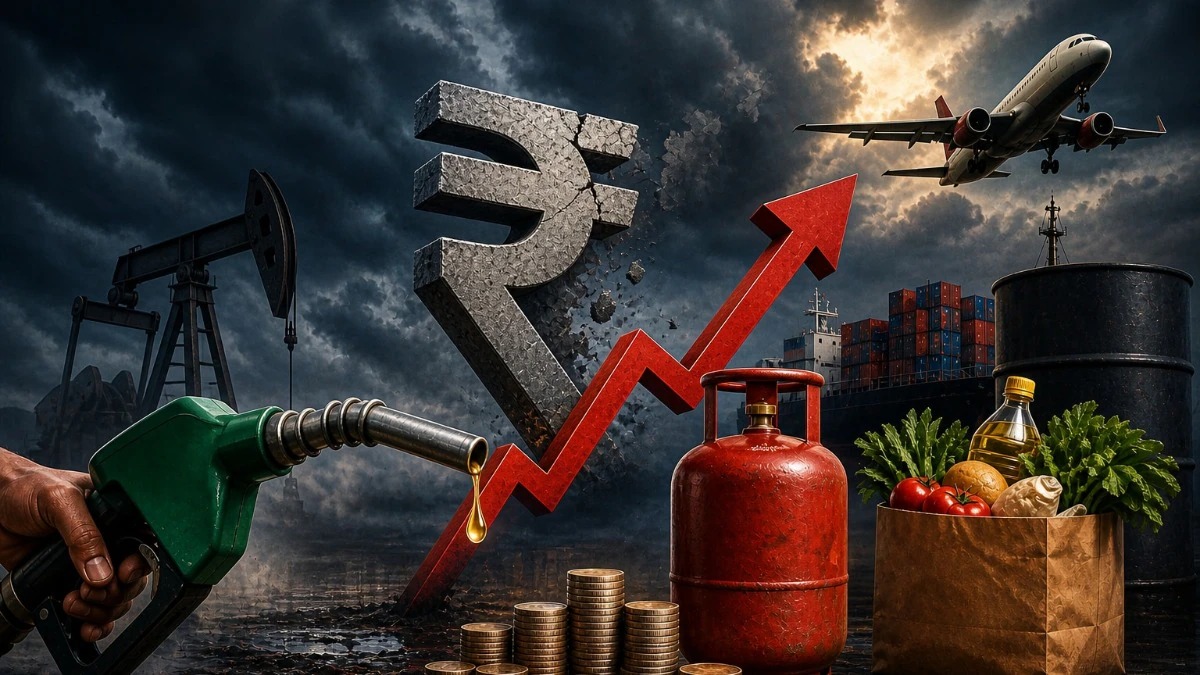
India’s latest inflation data shows price pressures inching back up, and the story is no longer just about tomatoes and onions. Retail inflation has risen to around 3.5 percent, while wholesale inflation has spiked more sharply, driven by imported energy costs as global crude oil prices jump amid fresh Middle East tensions. The concern now is that even if the headline number still sits inside the RBI’s comfort band, the underlying triggers are global and far harder to control.
In April, consumer price inflation accelerated for the sixth straight month to 3.48 percent, with food inflation climbing above 4 percent. At the same time, wholesale inflation has surged on the back of costlier crude and petro-products, signalling that upstream price pressures are building up and could gradually filter into retail prices. RBI still projects average inflation at a low 2.1 percent for FY26, but it has repeatedly flagged global energy, geopolitics and weather as key upside risks.
What Is Driving India’s Latest Inflation Spike
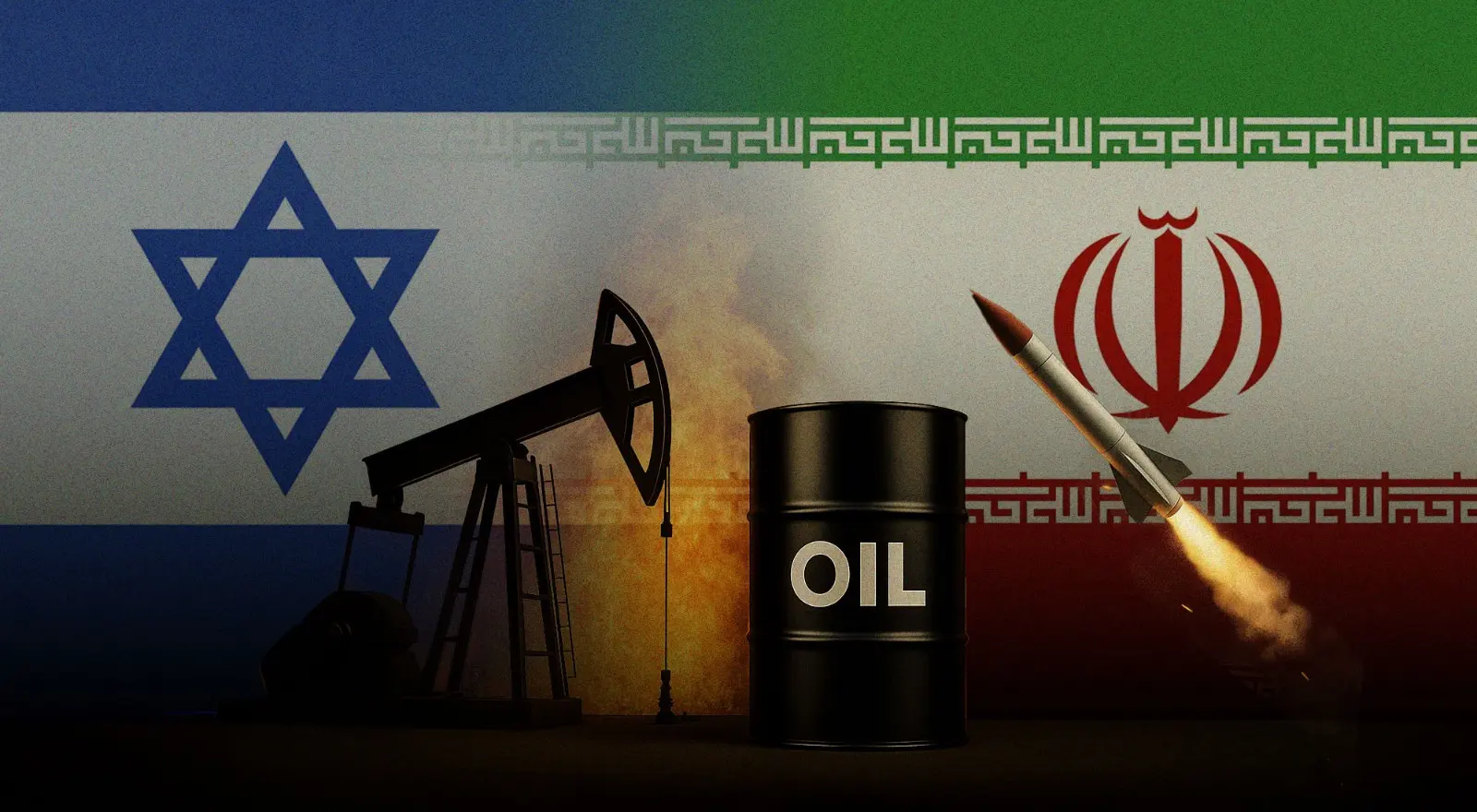
The single biggest external trigger is global crude oil. A widening conflict in West Asia and disruptions around key shipping routes have pushed up delivered oil prices, with India particularly exposed because it imports roughly 85 percent of its crude requirement. Even though pump prices have been kept largely unchanged so far, the squeeze is already evident in the wholesale inflation numbers for fuel and power. If global prices stay elevated, either margins will compress for oil companies and transporters, or consumer prices will eventually have to move.
Why Inflation May Not Ease Quickly
On paper, India’s headline CPI is still within the RBI’s 2–6 percent target band, and forward-looking projections from RBI and multilateral institutions show inflation averaging close to 4 percent over the next 1–2 years. But three factors could keep discomfort high:
Imported inflation from a weaker rupee and higher dollar-priced commodities.
- Sticky core inflation in areas like services, metals and gold, which are less sensitive to food cycles.
- Repeated supply shocks in food due to extreme weather and global supply disruptions, which tend to hit household budgets hardest.
For policymakers, that means a tricky balancing act: support growth as global conditions wobble, without letting an energy-led price shock undo two years of hard-won disinflation. For households, it means living with higher-for-longer prices on fuel-linked items transport, logistics, packaged goods even if the headline inflation number doesn’t look alarming on TV tickers.
Inflation Watch Insights
- Retail CPI quickened to about 3.5 percent in April 2026 after six months of gradual increases
- Food inflation has risen above 4 percent, adding pressure on household budgets
- Wholesale inflation is spiking on fuel and energy as imported oil costs climb
- RBI projects low average inflation for FY26 but flags global energy and geopolitics as key risks
- A weaker rupee and higher global commodity prices could keep core inflation sticky
- Oil-linked costs risk feeding into broader prices if global crude remains elevated
Sources: Reuters, CNBC, EconomicTimes, DDNews, ABPBusiness, research and multilateral outlooks