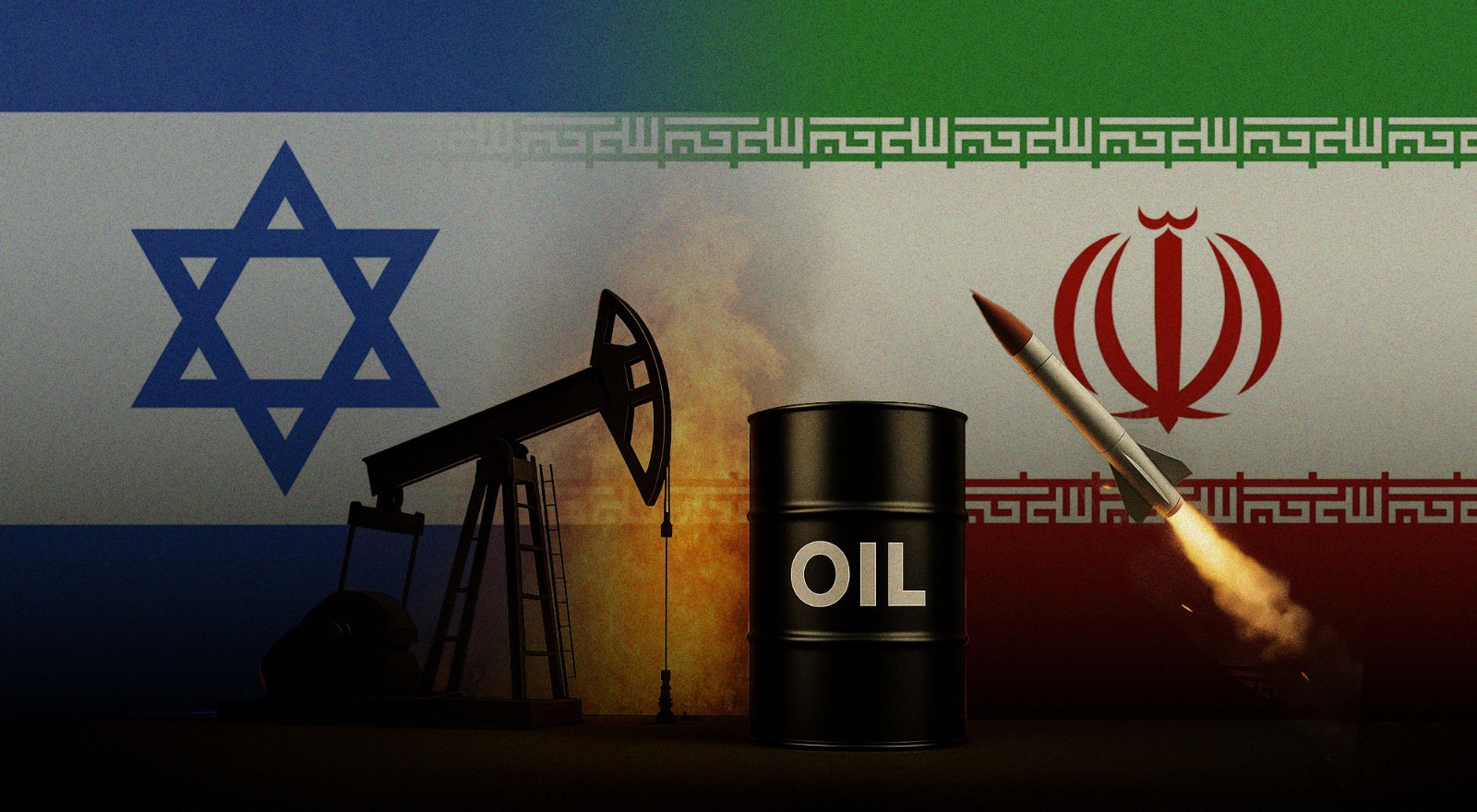
International tensions in the Middle East remain elevated as the Iran-related war and escalating regional attacks continue to disrupt global energy flows and unsettle financial markets. The conflict has triggered what the IEA calls one of the largest oil supply shocks in history, forcing governments worldwide to scramble for emergency measures, ration fuel demand and reassess energy security strategies.
At the heart of the crisis is the Gulf region, where repeated strikes, drone attacks and naval incidents have choked shipping lanes and hit key infrastructure. The Strait of Hormuz and nearby routes through which a major share of the world’s oil and LNG normally travels have seen volumes slashed, with tankers rerouted at higher cost or delayed under military escort. Energy prices have spiked, volatility has surged and worries are mounting that a prolonged conflict could tip vulnerable economies into stagflation-like conditions.
What The Iran-Linked Conflict Is Doing To Energy
The war involving Iran and its proxies has led to a drop of more than 10 million barrels per day in global oil supply at one point, pushing crude prices back above the 100-dollar mark and dragging refined fuels like diesel and jet fuel even higher. LNG cargoes and petrochemical shipments have also been disrupted, amplifying the shock beyond just crude. For import-dependent regions in Asia, including India, China, Japan and South Korea, this disruption is especially painful: they source 50–60 percent of their oil from the broader Middle East and are now racing to diversify suppliers and tap strategic reserves.
How Governments Are Responding
In response, governments are dusting off crisis playbooks last used during earlier oil shocks. Many are imposing or encouraging work-from-home policies, cutting official travel, capping fuel prices or subsidising pump rates, and launching public campaigns to reduce energy use. European and Asian states are also accelerating their shift toward renewables and electrified transport, not just for climate reasons but as hard-nosed energy security strategy. Multilateral lenders warn, however, that prolonged subsidies and price caps could strain public finances and blunt the incentive to conserve fuel.
Why The Tensions May Not Ease Soon
Analysts see no quick, clean diplomatic off-ramp yet. As long as Iran-related attacks and regional escalations keep key sea lanes at risk, markets will price in a “war premium” on oil and gas. The IMF notes that the conflict’s impact now runs through three major channels: energy prices, disrupted trade routes and tighter financial conditions as investors flee to safe assets. Even if spot prices stabilise, lingering uncertainty could keep volatility high and investment cautious, especially in energy-importing emerging markets.
Crisis Watch Highlights
- Middle East war linked to Iran has caused one of the largest disruptions in global oil supply in history
- Flows through key chokepoints like the Strait of Hormuz have fallen sharply, pushing up shipping costs and delays
- Oil prices have surged back above 100 dollars per barrel, with refined fuel prices rising even faster
- Asian economies import roughly 60 percent of their oil from the region, leaving them highly exposed to the shock
- Governments are responding with work-from-home mandates, fuel price caps, subsidies and energy-saving campaigns
- Crisis is accelerating global moves toward renewables and electrification as a long-term hedge against fossil fuel risk
Sources: WorldEconomicForum, IEEFA, IMF, MIT Energy, MiddleEastCouncil, CSIS, BBC