Escalating Middle East tensions have pushed oil prices higher, reigniting inflation concerns and Federal Reserve rate-hike expectations. This has pressured gold and silver, which are losing their safe-haven appeal as investors brace for tighter monetary policy. Precious metal prices are currently in a cooling trend after reaching record highs earlier this month.
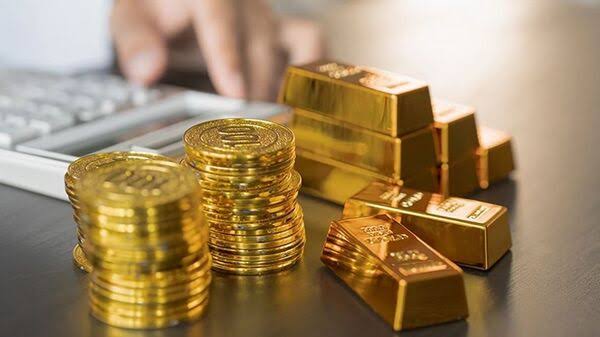
NEW DELHI — Gold and silver prices extended their losses this week as escalating tensions in the Middle East drove crude oil prices higher, reviving investor concerns over global inflation and the future trajectory of U.S. interest rates. The renewed conflict, marked by recent exchanges of strikes between the United States and Iran, has kept global markets on edge and bolstered expectations that the Federal Reserve may maintain a tighter monetary policy for longer than previously anticipated.
As of July 16, 2026, spot gold was trading near $4,032 per ounce, while silver experienced more pronounced downward pressure, tumbling to levels not seen in months. The rally in energy costs, linked to concerns over the security of the Strait of Hormuz, has directly countered the impact of softer-than-expected U.S. inflation data released earlier this week.
Inflation Concerns Weigh on Precious Metals
The inverse relationship between interest rates and non-yielding assets remains the primary driver of market sentiment. According to CME FedWatch data, traders are now pricing in approximately a 51% probability of a Federal Reserve interest rate hike in September. Analysts note that while recent producer and consumer price index data had initially offered some relief, the resurgence of oil prices has reintroduced inflationary risks, making non-yielding assets like gold and silver less attractive to institutional investors.
"Higher energy prices have strengthened expectations that the Federal Reserve may need to keep monetary policy tighter for longer, reducing the appeal of non-yielding gold," market analysts observed.
Silver Miners Face Significant Headwinds
The downturn in the silver market has been particularly severe, with spot silver declining significantly from its peak earlier this year. Equity markets have mirrored this volatility, as shares of major mining firms—including Hecla Mining, Coeur Mining, and Silvercorp Metals—declined alongside the metal’s spot price. Financial institutions have responded by adjusting price targets, reflecting the sustained pressure on silver’s industrial and investment demand.
Impact on Markets and Consumers
The current volatility is forcing investors and consumers to navigate a complex environment. In India, domestic gold and silver prices have mirrored the international trend, cooling after reaching record highs earlier in the month. While the long-term industrial demand for silver, particularly in the green-energy and AI data-center sectors, remains a structural support, the short-term outlook is dominated by macroeconomic uncertainty.
Official Sources
CME FedWatch Tool: Provides live market probability assessments for Federal Reserve policy decisions.
India Bullion and Jewellers Association (IBJA): Offers benchmark retail selling rates for gold and silver in India.
The Silver Institute: Provides analysis on global supply deficits and industrial demand trends.
Quote Section
"According to market analysts, a fresh escalation shock—rather than the cumulative weight of the current crisis—may be required to meaningfully reignite the safe-haven trade in gold and silver, given that equity risk appetite has remained surprisingly resilient despite the Hormuz headlines".
Why It Matters
For investors, the current divergence between rising oil prices and falling precious metals underscores the shifting nature of geopolitical risk. While gold is traditionally viewed as a safe haven, the direct link between Middle East tensions and inflation-driven rate-hike expectations has temporarily eroded its protective appeal. For businesses and consumers, the price correction offers a potential entry point, though analysts warn that near-term volatility will likely persist until clearer signals emerge from the Federal Reserve.
Key Facts at a Glance
Market Sentiment: Traders estimate a 51% probability of a Federal Reserve rate hike in September 2026.
Gold Performance: Prices have faced downward pressure, retreating toward the $4,000 per ounce level.
Silver Decline: Spot silver has faced a punishing selloff, down roughly 52% from its January 2026 all-time high.
Energy Driver: Crude oil prices have reached one-month highs due to concerns over the Strait of Hormuz.
Frequently Asked Questions
1. Why are gold and silver prices falling despite geopolitical tension?
While gold is a traditional safe haven, current tensions are driving up oil prices, which fuels inflation. This leads markets to expect higher interest rates, which makes gold and silver less attractive because they do not pay interest.
2. What is the outlook for silver?
Silver is facing a combination of short-term volatility due to interest rate fears and long-term structural support from industrial sectors like solar energy and AI infrastructure.
3. Are we seeing a shift in the gold-silver ratio?
Yes, the gold-silver ratio has climbed to approximately 69:1, a level that historically indicates silver is significantly underperforming relative to gold.
Source: Investing.com, Trading Economics, IBJA, Economic Times