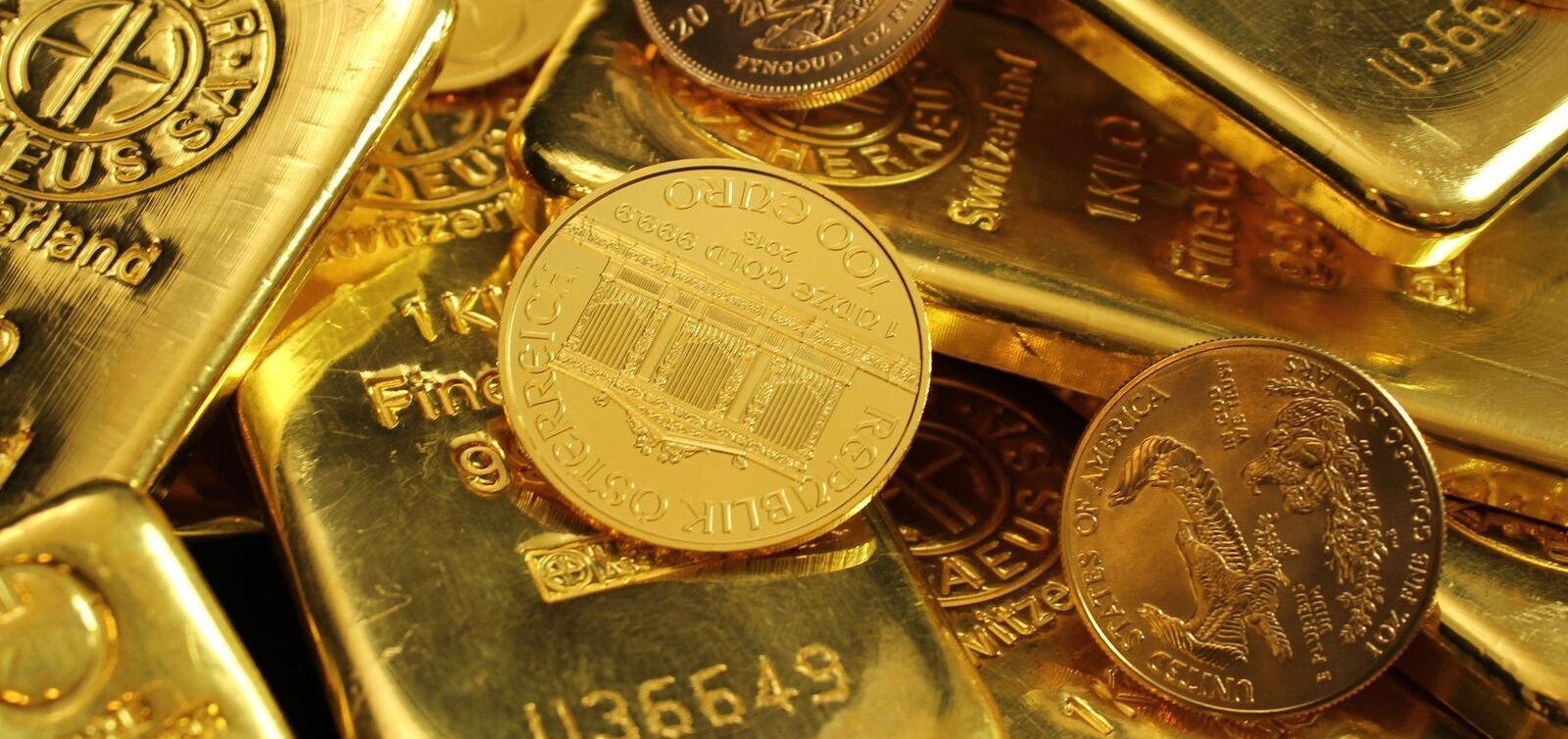
Goldman Sachs forecasts gold prices will rise to $4,900 per ounce by the end of 2026. Driven by robust central bank purchasing and shifting macroeconomic conditions, the financial institution maintains a strongly bullish outlook on the yellow metal, signaling sustained safe-haven demand for global investors.
Backed by official commodity research reports, leading financial analysts have outlined an optimistic trajectory for gold prices amid persistent global market shifts.
Providing fresh insight into safe-haven asset trends, Goldman Sachs Research has reaffirmed its positive outlook for the yellow metal, projecting that gold prices could climb toward $4,900 per ounce by the end of 2026. Released through official market commentary in September 2026, the updated institutional forecast highlights that sustained structural demand from central banks and evolving monetary policy expectations continue to provide a solid foundation for the ongoing bull run.
As global investors navigate geopolitical uncertainties and fluctuating inflation metrics, market strategists emphasize that precious metals remain a primary hedge for institutional portfolios.
Evaluating Central Bank Demand, Price Drivers, and Market Projections
Analyzing the factors underpinning the bullish forecast reveals a combination of institutional accumulation and macroeconomic hedging. According to official disclosures and commodity research updates published in September 2026, key market drivers include:
Central Bank Accumulation: Sovereign institutions continue steady purchasing programs to diversify foreign currency reserves and hedge against sovereign debt risks.
Monetary Policy Shifts: Adjustments in global interest rate expectations create a favorable environment for non-yielding assets like bullion.
Inflation Hedging: Persistent economic volatility encourages institutional investors to allocate capital toward secure, tangible assets.
Target Projections: Goldman Sachs analysts maintain an end-of-year target of $4,900 per troy ounce, reflecting robust long-term valuation metrics.
Why It Matters
The practical implications of these upward price projections affect individual investors, retail consumers, and institutional wealth managers alike. For retail buyers and jewelry consumers, sustained high valuations alter purchasing patterns during festival and wedding seasons. For financial planners and portfolio managers, maintaining exposure to gold serves as a vital risk-mitigation strategy against currency fluctuations and broader market volatility.
Key Facts at a Glance
Forecasting Institution: Goldman Sachs Research.
Target Price: $4,900 per troy ounce projected by the end of 2026.
Primary Catalyst: Robust structural demand from global central banks and asset diversification.
Asset Class: Precious metals / Safe-haven bullion commodities.
FAQ Section
What is Goldman Sachs' price prediction for gold in 2026?
Goldman Sachs projects that gold prices will reach $4,900 per troy ounce by the end of 2026.
Why are central banks driving the demand for gold?
Central banks are purchasing gold to diversify foreign currency reserves, reduce reliance on single fiat currencies, and hedge against macroeconomic risks.
How does this outlook impact retail investors and consumers?
Higher valuation targets mean that retail investors benefit from strong asset appreciation, while consumers purchasing physical jewelry face elevated market rates.
Where can readers review the official Goldman Sachs commodity reports?
Complete research analyses and market commentaries are available through the Goldman Sachs Insights Portal.
Source: Goldman Sachs Research, Mint, Kitco News