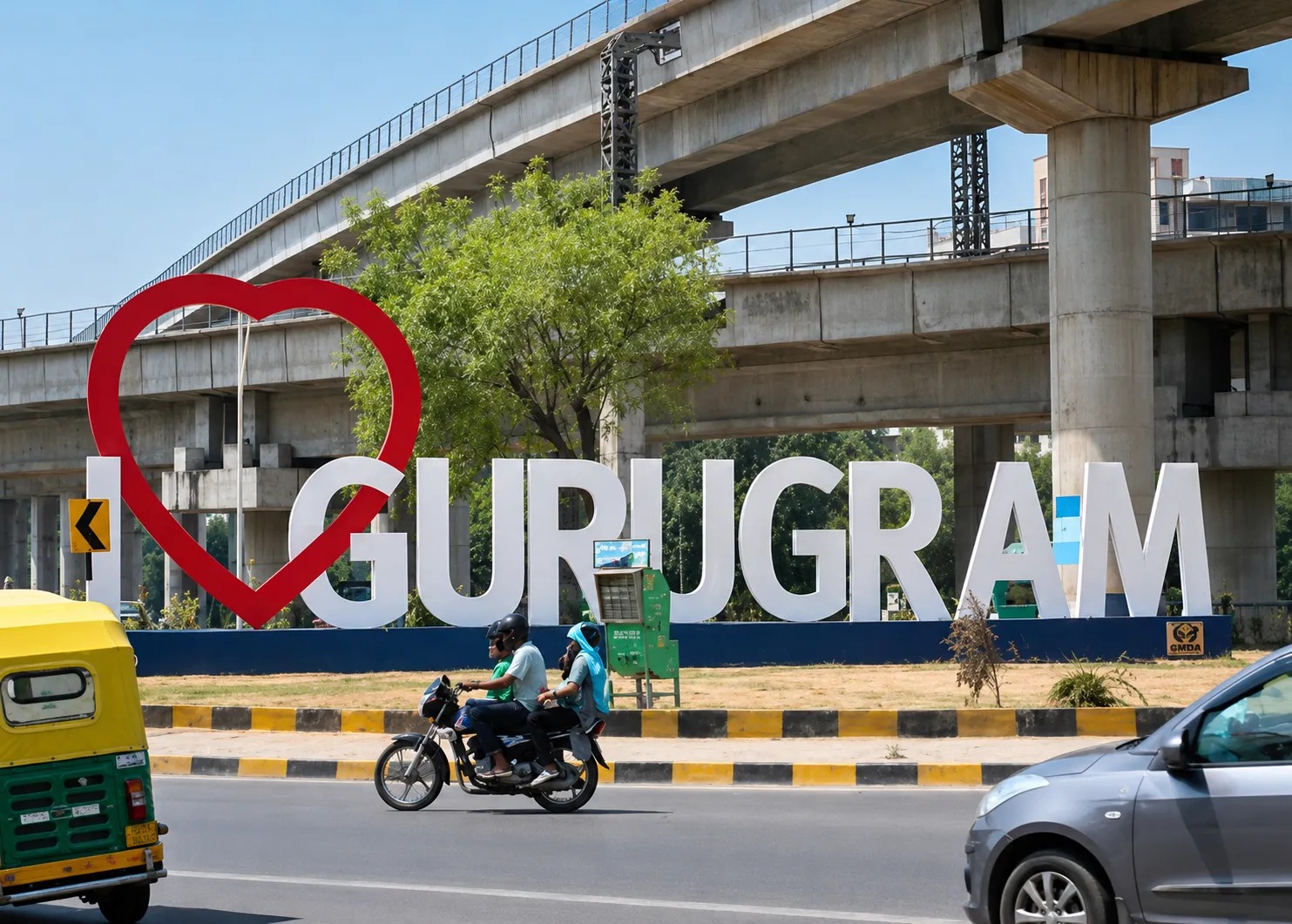
Gurugram is successfully shedding its image as an aggressive, purely corporate hub to emerge as an open, welcoming city for diverse personal growth. Driven by long-term residents and local creatives, the city's flexible social environment allows multicultural communities to thrive without the pressure of rigid legacy constraints.
GURUGRAM — Long defined by its dramatic corporate skyline, Cyber City, and rapid real estate expansion, the millennial city of Gurugram is undergoing a major emotional and cultural evolution. Prominent local authors and urban observers have formally highlighted the city's transition from a transactional corporate workplace into a deeply inclusive community. The shifting demographic underscores how the Haryana satellite city has built a unique social ecosystem that actively absorbs diverse migrant narratives, giving newcomers the structural and emotional freedom to express their true identities.
The Transformation Beyond Glass Towers and Corporate Ambition
When early residents migrated to the region from older pockets of Delhi in the early 2000s, the landscape was largely characterized by construction dust, abrupt roadways, and expanding industrial infrastructure. For over two decades, the general public viewed the area primarily as a temporary professional hub—a place where people worked long hours before commuting back to traditional residential neighborhoods.
However, corporate registries and residential census data indicate that the city has matured far beyond its initial economic parameters. Local novelist Amit Shankar, a long-time resident of DLF Phase-V, noted that while glass towers and multinational companies remain visible symbols of prosperity, the actual identity of the city rests on its unique capacity to absorb people from every geographic corner of India. Unlike legacy metropolitan areas that frequently require newcomers to blend into established socio-cultural hierarchies, this destination allows individuals to preserve their unique backgrounds while building fresh narratives.
Shifting From Workplace Network to Rooted Neighborhoods
The emotional maturity of the city is increasingly visible in its daily neighborhood dynamics. During its early developmental years, interpersonal relationships in the region revolved heavily around professional networking, professional advancement, and socioeconomic metrics.
Today, community documentation shows a visible pivot toward sustainable local living:
Active Community Life: Neighborhood interactions are moving past office boundaries, with residents cultivating lasting local ties.
Emergence of Social Spaces: Independent cafés, cultural venues, and community spaces are prioritizing open conversation over commercial networking.
Long-Term Settlement: A growing percentage of young professionals are actively purchasing homes and planting long-term roots, rather than treating the city as a temporary career stop.
This shifting mindset balances the internal contradictions of the city, where luxury high-rises stand right next to rural villages, and global tech corporations coexist with traditional communities.
Macro Impact on Real Estate and Urban Planning
This cultural evolution has a direct impact on real estate developers, urban planners, and retail investors. Consumer demand is shifting away from isolated corporate dormitories toward comprehensive township models that prioritize walkable neighborhoods, green belts, and vibrant cultural zones.
Businesses are adjusting their retail and entertainment portfolios to cater to an expressive, diverse population that values lifestyle fulfillment just as much as corporate success. For professionals moving across states, the open cultural environment lowers the friction of relocation, establishing the city as a primary destination for top talent in India's modern economy.
Official Sources Section
The observations on regional development are based on urban socio-cultural reviews published by the Hindustan Times Gurugram Bureau, community statements from the DLF Phase-V Residents Welfare Association (RWA), and literary profiles compiled by local resident groups documenting the modern history of the National Capital Region (NCR).
Quote Section
"Unlike many older cities that expect newcomers to adapt to an established culture, Gurugram absorbs people from every part of India and allows them to add something to its personality. Everyone contributes a small layer to the city's ever-changing façade."
— Amit Shankar, Resident Novelist
"According to officials and community organizers, the long-term stabilization of the city relies on transforming these fast-paced corporate sectors into livable, culturally expressive urban neighborhoods."
Why It Matters
Understanding this shift helps redefine the city’s value proposition for investors, families, and incoming workers. Moving away from the reputation of a harsh, ambitious concrete jungle, the city is carving out a name as an adaptive space for personal and professional growth. This psychological transition builds deeper community resilience, fosters local creative industries, and ensures the city remains attractive to a diverse global workforce.
Key Facts at a Glance
Identity Shift: The city is moving past its image as a pure corporate workplace to become an inclusive community hub.
Cultural Flexibility: The absence of a rigid, legacy culture allows diverse migrant populations to settle without losing their original identity.
Socioeconomic Contrast: The city’s unique character relies on the close coexistence of multinational corporate hubs and traditional local villages.
Generational Change: Younger residents are actively choosing the area for long-term family settlement rather than short-term work postings.
FAQ Section
What is driving the recent cultural shift in Gurugram?
The shift is driven by a diverse migrant population turning temporary work postings into permanent homes, prompting the growth of local neighborhoods, community spaces, and cultural activities.
How does Gurugram’s social structure differ from older Indian cities?
Older cities often expect newcomers to adjust to deep-seated cultural traditions. Gurugram's newer, flexible social fabric allows individuals from different regions to co-create the city's evolving identity.
What challenges come with this rapid transformation?
The rapid growth brings clear structural contrasts, such as luxury high-rises standing directly alongside rural villages, requiring urban planners to continuously balance modern infrastructure with traditional local areas.
Source: Hindustan Times Gurugram News Desk, DLF Community Association Records, Municipal Corporation Gurugram (MCG) Urban Planning Reports.