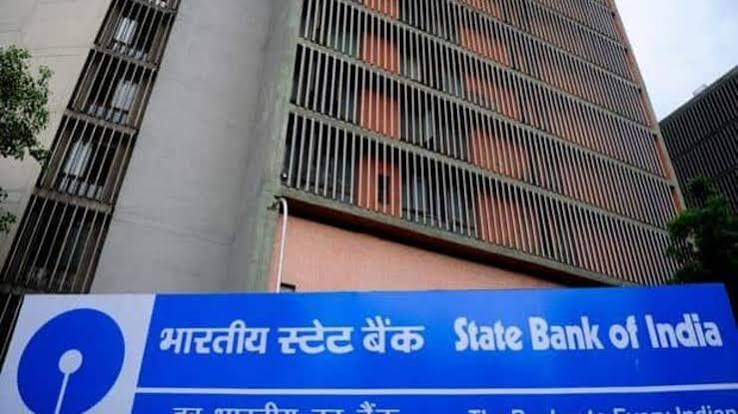
State Bank of India is developing a new "Stressed Asset Lifecycle Management System" to digitise its tracking of legacy bad loans by January 2027. The platform aims to consolidate recovery data onto a centralized dashboard, improving oversight and accelerating the resolution of the bank's remaining non-performing assets.
MUMBAI — State Bank of India (SBI), the country’s largest lender, is undertaking a major digital transformation of its stressed-asset management to enhance oversight and accelerate the recovery of legacy non-performing assets (NPAs). The new internal platform, currently under development, aims to consolidate all data on legacy stressed accounts into a single, real-time dashboard.
The initiative marks the final major business vertical at the lender to transition to a fully digitised framework. According to bank officials familiar with the project, the system—internally referred to as the Stressed Asset Lifecycle Management System—has been in development for six months and is scheduled to go live by January 2027.
Streamlining Recovery Through Digital Integration
For years, the resolution of legacy bad loans has been hampered by fragmented data and procedural bottlenecks. The new digital platform will aggregate comprehensive details, including current account status, ongoing legal proceedings, and the status of specific recovery actions for each stressed asset.
By providing a centralized view, the system is expected to improve internal accountability and expedite decision-making. Financial experts suggest that digitisation is a critical step in overcoming the "accountability dilemma," where procedural delays often stall the resolution of smaller legacy accounts. By streamlining workflows and providing transparent tracking, the bank intends to reduce the time taken to resolve long-pending cases.
Strengthening Asset Quality
The move comes as SBI has already achieved significant improvements in its asset quality. As of March 2026, the bank’s gross NPA ratio stood at a two-decade low of 1.49%, down from 1.82% a year prior. Net NPAs also saw a reduction to 0.39%. Despite this progress, the lender continues to manage a sizable stock of older stressed accounts, with unclassified assets—labeled as "others" in its FY26 annual report—accounting for ₹52,947 crore, or 72% of its total bad-loan pool.
The digital transition is a key component of the bank's broader technological push, which also includes the deployment of AI-driven underwriting and enhanced early-warning systems to prevent fresh slippages.
Official Sources
Internal Development: Bank officials confirmed the project is currently in the build phase, targeting a January 2027 rollout.
Financial Metrics: SBI’s FY26 reports indicate a gross NPA figure of ₹73,452 crore, down from ₹76,880 crore the previous year.
Regulatory Alignment: The move aligns with the bank's long-term commitment to institutionalizing risk management and improving compliance through technology.
Quote Section
"This will allow SBI executives to check at what stage each stressed asset is and what kind of recovery efforts are ongoing. This is not possible right now," a senior bank official stated on the condition of anonymity.
"In a legacy NPA, the problem is that nobody wants to take a decision... Digital is the best way to address these procedural delays and multiple layers of approvals," said Nirmal Gangwal, a financial turnaround and restructuring veteran.
Why It Matters
For investors and stakeholders, this digitisation represents an effort to unlock value from a "painful pool" of legacy assets that have historically weighed on balance sheets. By improving recovery efficiency, SBI aims to optimize capital allocation and enhance shareholder returns, further signaling a transition from pure recovery-focused management to a more valuation-centric growth narrative.
Key Facts at a Glance
Project Name: Stressed Asset Lifecycle Management System.
Launch Date: Targeted for January 2027.
Current NPA Status: Gross NPA ratio of 1.49% (March 2026), a multi-decade low.
Core Function: Centralized dashboard for real-time tracking of legal proceedings and recovery actions.
Goal: To eliminate procedural delays and enhance decision-making accountability.
FAQ
What is the primary purpose of the new system?
The system is designed to provide real-time tracking of legacy stressed assets, helping bank officials monitor recovery efforts centrally and reduce delays.
When will the system be operational?
The bank expects the platform to go live by January 2027.
Why is digitisation needed for legacy bad loans?
Digitisation aims to solve accountability and coordination issues, ensuring that recovery processes are streamlined and that decisions on accounts are taken without unnecessary layers of approval.
Will this affect borrowers?
The system is primarily an internal tool for the bank to improve its own recovery operations; however, more efficient recovery processes may lead to faster resolutions or settlements for eligible borrowers.
Source: State Bank of India (SBI), Livemint, RBI Financial Stability Report