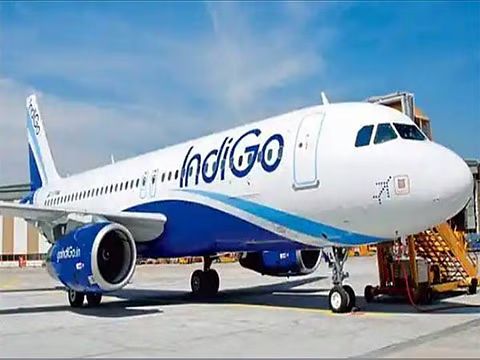
India’s domestic air passenger traffic contracted in July, falling roughly 5% month-on-month to 12 million travelers. Despite the broader market slowdown driven by high fuel costs and capacity cuts, market leader IndiGo expanded its dominance, capturing a record 67.4% domestic market share, according to data from the DGCA.
Backed by official regulatory filings, India’s domestic aviation sector records a passenger traffic decline while market leader IndiGo tightens its grip on the skies.
Market Contraction Amid Surging Fuel Pressures
India's domestic aviation sector experienced a notable contraction as overall passenger traffic lost altitude. According to official monthly passenger traffic data released by the Directorate General of Civil Aviation (DGCA), domestic airlines transported approximately 12 million passengers in July, marking a decline of roughly 5% compared to the same period in the previous year.
Industry analysts attribute the broader traffic slump to a combination of rising jet fuel prices—intensified by geopolitical tensions in West Asia—and strategic capacity rationalization by major carriers. Despite the cooling demand and a sequential drop in overall passengers, market leader InterGlobe Aviation Ltd. (IndiGo) bucked the wider trend by expanding its operational footprint.
IndiGo’s Record Expansion and Competitor Shifts
IndiGo strengthened its domestic dominance, elevating its market share to a record 67.4% in July, up from 66.3% in June. The airline flew approximately 8.08 million passengers during the month. Aviation experts note that the carrier's deployment of fuel-efficient Airbus A321neo aircraft, which feature higher seating capacities, played a pivotal role in maximizing network yield during a seasonally softer period.
Meanwhile, other domestic carriers experienced mixed trajectories:
Air India Group: Retained its position as the second-largest aviation entity, holding steady at a 24% market share and transporting roughly 2.87 million passengers.
Akasa Air: Saw its market share adjust to 5.5% down from 6.4% in June, carrying 6.65 million passengers to maintain its third-place ranking.
SpiceJet: Recorded a market share decline to 1.6%, accompanied by significant operational and punctuality challenges highlighted in regulatory reports.
Why It Matters
The concentration of nearly 92% of the domestic market between IndiGo and the Air India Group highlights growing industry consolidation. For corporate travelers, consumers, and regional commuters, reduced carrier diversity can influence ticket pricing structures, route availability, and service reliability across tier-1 and tier-2 airports.
Key Facts at a Glance
July Domestic Traffic: Total passenger volume dropped to approximately 12 million.
IndiGo Market Share: Reached a record 67.4% in July.
Air India Group Position: Maintained second place with a 24% market share.
Regulatory Body: Directorate General of Civil Aviation (DGCA).
FAQ Section
Why did India's domestic air passenger traffic decline in July?
Traffic contracted due to higher jet fuel prices, seasonal monsoon trends, and strategic capacity cuts by airlines on unviable routes.
What was IndiGo’s market share in July?
According to DGCA data, IndiGo's market share climbed to a record 67.4%.
How did other major airlines perform during the month?
The Air India Group held steady at a 24% market share, while Akasa Air and SpiceJet recorded declines to 5.5% and 1.6% respectively.
Where can travelers and analysts view official aviation traffic reports?
Monthly traffic data, punctuality records, and safety audits are published regularly on the Directorate General of Civil Aviation (DGCA) Official Website.
Source: Directorate General of Civil Aviation (DGCA) Portal, IndiGo Investor Relations Portal, Livemint Aviation News Desk