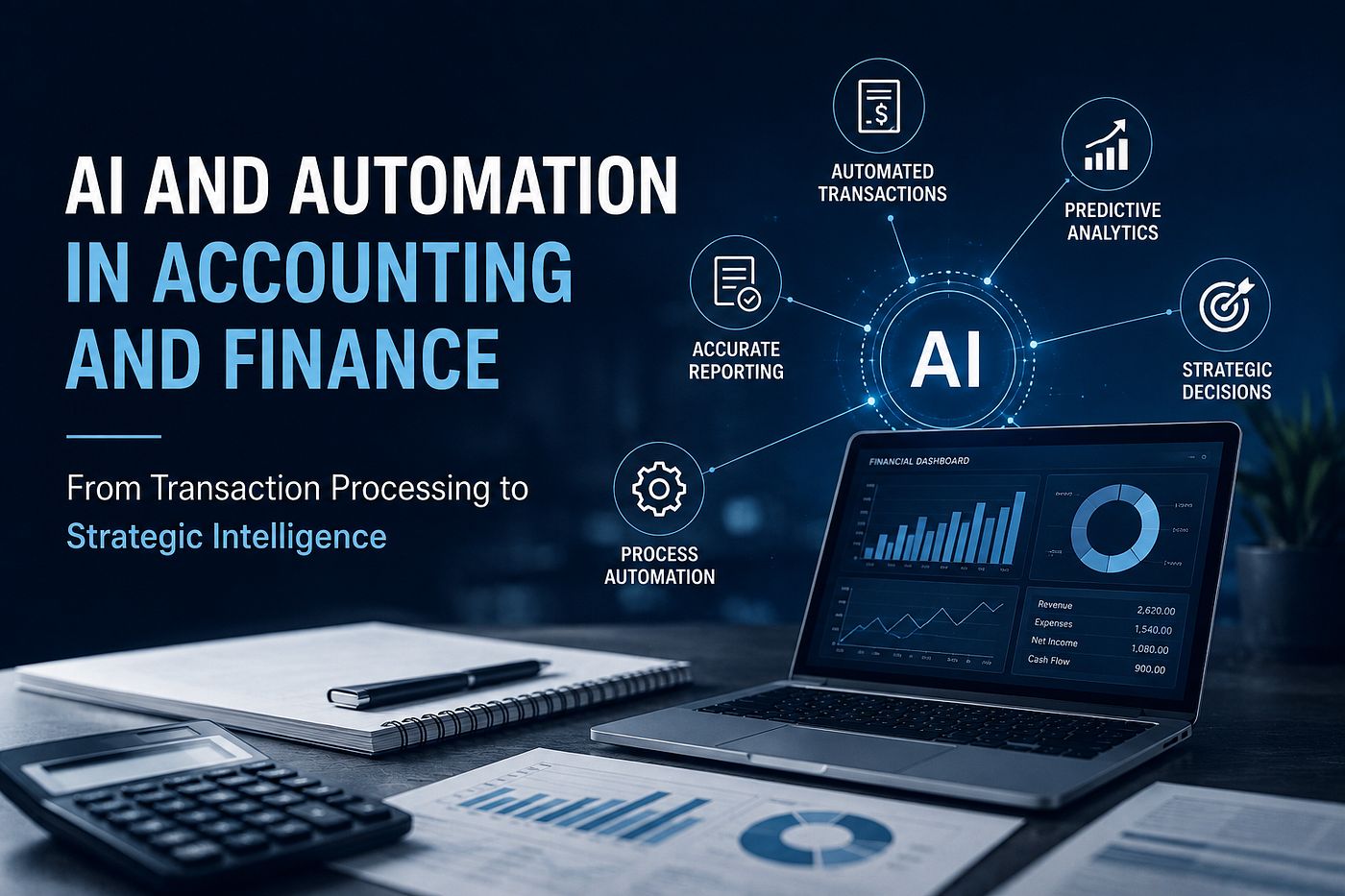
Artificial intelligence is rapidly expanding from basic back-office automation into complex financial decision-making, including automated risk assessment, algorithmic trading, and credit underwriting. According to recent institutional briefings, while machine learning models boost operational efficiency, rigorous human oversight remains vital to maintain compliance, prevent systemic bias, and manage unforeseen market anomalies.
Backed by official industry analysis, artificial intelligence is transitioning from routine automation to complex financial decision-making, though human oversight remains essential for risk management.
The Shift From Robotic Process Automation to Predictive Analytics
The integration of artificial intelligence within the global financial sector has crossed a crucial threshold. Rather than merely automating repetitive back-office tasks and data entry, modern machine learning models and generative AI systems are actively participating in financial decision-making. According to recent whitepapers and regulatory briefs released by financial technology analysts in August 2026, institutions are increasingly relying on artificial intelligence for real-time risk modeling, credit underwriting, fraud detection, and portfolio rebalancing.
This evolution allows banks, asset management firms, and corporate treasury desks to process massive volumes of unstructured market data within seconds. However, financial regulators and institutional compliance officers emphasize that as algorithms take on greater analytical autonomy, the demand for structured governance frameworks becomes critical.
Core Financial Areas Driven by Artificial Intelligence
Financial institutions are deploying advanced AI architectures across several critical operational pillars:
Algorithmic Credit Scoring: Automated lending platforms utilize alternative data points and predictive models to assess borrower creditworthiness in real time, accelerating loan approvals.
Risk and Fraud Analytics: Machine learning models continuously monitor transactional networks to flag anomalous behavior, significantly reducing institutional fraud exposure.
Automated Wealth Management: Robo-advisors construct and rebalance retail investment portfolios based on real-time market sentiment and individual risk parameters.
Regulatory Compliance Tracking: Natural language processing tools scan regulatory filings across multiple jurisdictions, ensuring swift adaptation to changing financial mandates.
The Indispensable Role of Human Oversight
Despite the computational speed and predictive accuracy of modern artificial intelligence systems, industry experts warn against complete operational reliance. Complex financial decisions often involve qualitative nuances, geopolitical uncertainties, and unpredictable market shocks that historical data models cannot anticipate.
Regulatory authorities, including central bank advisory panels, maintain that human oversight acts as an indispensable safety net. Financial analysts note that algorithmic bias, "hallucinations" in generative models, and systemic feedback loops pose distinct hazards that require constant manual auditing and executive judgment. Ensuring that human decision-makers retain ultimate veto power over automated recommendations is viewed as a necessary safeguard against financial instability.
Why It Matters
The integration of artificial intelligence into financial decision-making directly impacts corporate borrowers, retail investors, and banking consumers by accelerating transaction speeds and loan processing. At the same time, it places a heavy premium on institutional transparency and cybersecurity to prevent systemic vulnerabilities.
Key Facts at a Glance
Operational Shift: AI has progressed from basic automation to real-time risk modeling and credit underwriting.
Primary Benefit: Enhanced speed and predictive accuracy in processing complex market datasets.
Key Challenge: Mitigating algorithmic bias, compliance risks, and sudden market anomalies.
Regulatory Stance: Mandatory human oversight is required to maintain system stability and accountability.
FAQ Section
How is artificial intelligence changing financial decision-making?
AI models are moving beyond basic data entry to assist with complex tasks like real-time credit scoring, fraud detection, algorithmic trading, and wealth portfolio rebalancing.
Why is human oversight still necessary for financial AI?
Human oversight is vital to catch algorithmic errors, prevent unintended market feedback loops, address regulatory compliance, and handle unpredictable economic shocks.
Are banks fully automating loan approvals using artificial intelligence?
Many institutions use AI to accelerate credit assessments, but final risk sign-offs and regulatory accountability typically remain with human loan officers and risk committees.
Where can professionals read official guidelines on AI usage in finance?
Policy briefs, risk assessments, and regulatory guidance documents are published regularly through the Financial Stability Board (FSB) Official Portal and central banking websites.
Source: Financial Stability Board (FSB) Official Portal, Reserve Bank of India (RBI) Publications Desk