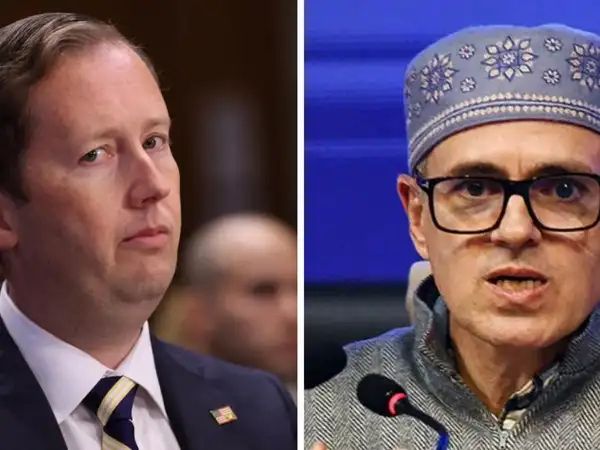
Recent remarks made by a United States diplomat regarding Jammu and Kashmir have triggered sharp political divisions across India. While opposition figures criticized government handling, ruling party representatives praised diplomatic relations, highlighting contrasting domestic interpretations of foreign policy engagements and international statements concerning the region.
Backed by official political statements, remarks made by a US diplomat regarding Jammu and Kashmir spark intense debate among Indian leaders.
Diverging Political Reactions to International Remarks
Recent diplomatic commentary regarding the Union Territory of Jammu and Kashmir has generated significant political friction within domestic legislative circles. According to official party statements and parliamentary announcements, comments delivered by a visiting United States diplomat prompted conflicting interpretations from major political factions across India.
The exchange highlights how international observations on regional governance, administrative changes, and bilateral ties continue to intersect with domestic political narratives. While opposition lawmakers argued that external diplomatic commentary reflects shortcomings in regional administration, ruling coalition representatives strongly defended the nation's foreign policy framework, characterizing bilateral engagements as robust and successful.
Spectrum of Political Responses and Policy Debates
The divergence in political sentiment underscores distinct strategic viewpoints regarding foreign diplomacy and national sovereignty:
Opposition Criticisms: Various opposition leaders asserted that international observations indicate persistent governance and administrative challenges within the region, calling for greater domestic accountability.
Government Defense: Ruling party spokespersons countered by emphasizing that India's foreign policy remains firm, independent, and focused on national security, dismissing external remarks as standard diplomatic discourse that does not undermine sovereign positioning.
Bilateral Context: Foreign policy analysts note that international statements regarding Jammu and Kashmir are frequently monitored by regional stakeholders, influencing both domestic debates and diplomatic messaging between New Delhi and Washington.
Why It Matters
Discussions surrounding international diplomatic remarks directly impact how foreign policy is perceived by citizens, investors, and political analysts, shaping the broader narrative of India's international standing and regional governance.
Key Facts at a Glance
Subject: Political division over recent US diplomat remarks on Jammu and Kashmir.
Opposition Stance: Criticized government handling of regional administration.
Ruling Party Stance: Defended India's strong foreign policy and diplomatic autonomy.
Reporting Reference: Official legislative and ministerial press releases.
FAQ Section
Why did the US diplomat’s remarks on Kashmir spark a political debate?
The comments drew contrasting interpretations from Indian political parties, with opposition figures citing them as critique and ruling leaders defending foreign policy strength.
How did the ruling government respond to the criticism?
Ruling party representatives emphasized that India's foreign policy is robust, sovereign, and unaffected by external diplomatic commentary.
Where can citizens track official government statements on foreign policy?
Official press releases, bilateral agreements, and ministerial updates are published regularly through the Ministry of External Affairs (MEA) Official Website.
Are official parliamentary proceedings accessible to the public?
Yes, legislative debates, session records, and official announcements are archived on the Parliament of India Official Portal.
Source: Parliament of India Official Portal, Ministry of External Affairs (MEA) Official Website