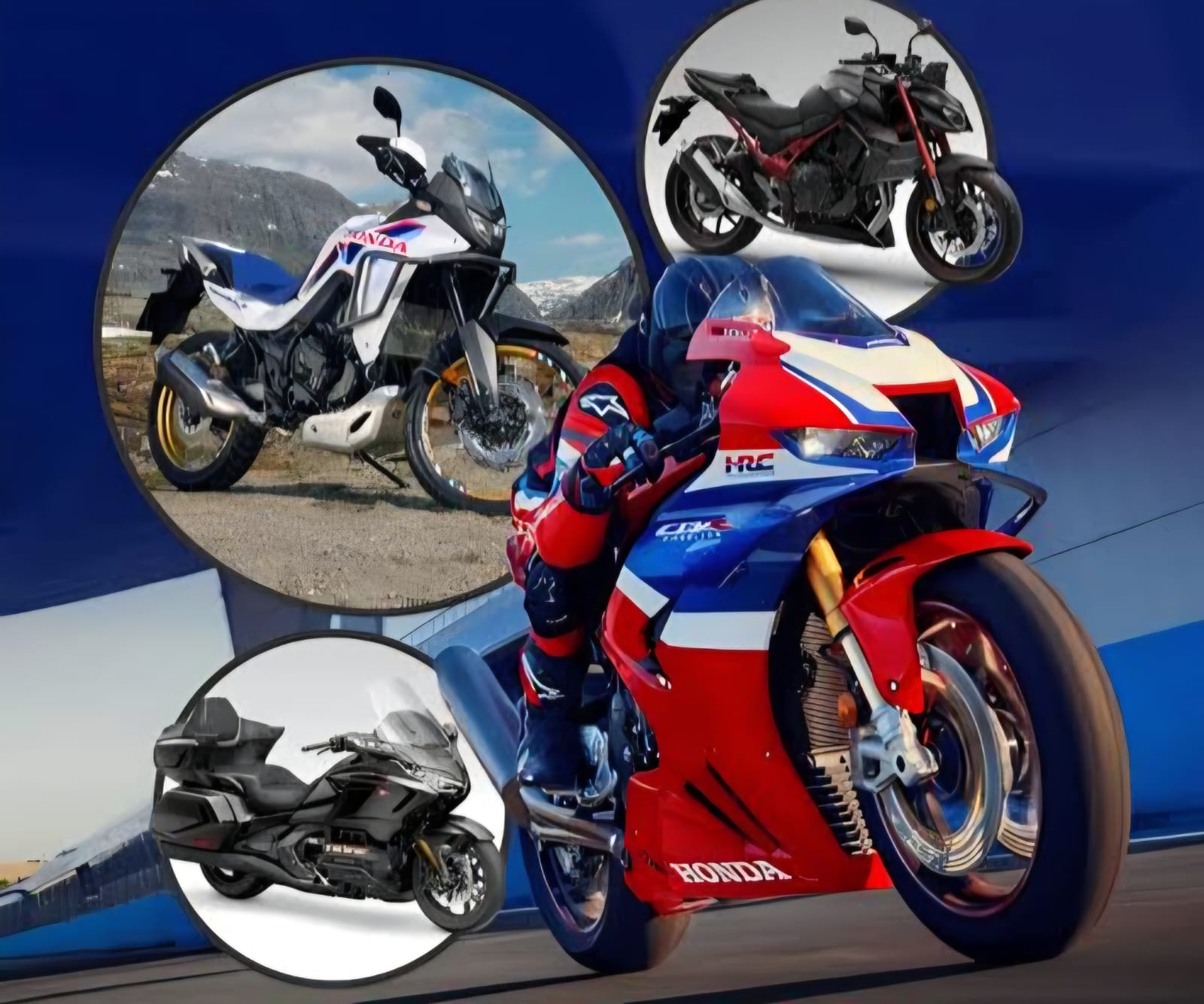
Honda Motorcycle and Scooter India has officially introduced the E-Clutch editions of its CB750 Hornet and XL750 Transalp motorcycles. The specialized technology automates clutch operation during gear changes and stops to reduce rider fatigue, while retaining complete manual override options for urban and long-distance touring.
GURUGRAM — Honda Motorcycle and Scooter India (HMSI) expanded its premium BigWing portfolio by officially launching the 2026 iterations of the Honda CB750 Hornet E-Clutch and XL750 Transalp E-Clutch. The development marks the first integration of Honda’s automated electronic clutch management system onto its 755cc parallel-twin engine architecture in the Indian market. Bookings have officially opened across all authorized premium dealers nationwide, targeting a growing consumer segment seeking high-performance middleweight motorcycles capable of dual-purpose urban and touring utility without the physical strain of conventional stop-and-go clutch modulation.
E-Clutch System Alters Rider Control Mechanics
The core modification introduced to both the naked streetfighter and adventure-touring platforms is the proprietary Honda E-Clutch technology. The system utilizes internal electronic actuators housed directly within the right-side engine clutch casing to completely automate clutch engagement and disengagement during starting, stopping, and sequential gear shifts.
According to mechanical specifications from the manufacturer, the hardware eliminates the absolute necessity of pulling the handlebar-mounted clutch lever when coming to a halt or changing gear ratios. However, a manual override capability remains structurally intact, allowing riders to operate the clutch lever conventionally at any given point during operation. The electronic management system adds exactly 3 kilograms to the overall curb weight of each motorcycle but aims to substantially reduce rider hand fatigue during dense stop-and-go city traffic and intricate low-speed technical off-road maneuvers.
Shared Engine Architecture with Unique Chassis Profiles
Both vehicles retain the foundational liquid-cooled, 8-valve, unicam parallel-twin engine with a 270-degree crankshaft. The powerplant develops a peak output of 90.5 horsepower (67.5 kW) at 9,500 rpm and 75 Nm of torque at 7,250 rpm. Despite identical performance figures, the engineering layout of each model targets vastly distinct riding applications:
Honda CB750 Hornet E-Clutch: Positioned as a dedicated streetfighter, this naked model features Showa 41mm Separate Function Fork Big Piston (SFF-BP) USD front forks, dual 296mm front disc brakes, and a street-tuned riding profile. For the current model year, it is offered exclusively in a Graphite Black paint scheme accentuated by a contrasting red frame and front forks.
Honda XL750 Transalp E-Clutch: Engineered for long-distance touring and off-road exploration, the ADV model utilizes long-travel Showa Separate Function Fork Cartridge (SFF-CA) USD front suspension. The vehicle’s electronics include a dedicated "Gravel" riding mode alongside standard traction and engine braking parameters. It arrives in two updated color schemes: Ross White and Pearl Deep Mud Gray.
Both variants come standard with a 5-inch full-color TFT instrument console supporting Honda RoadSync smartphone connectivity for navigation, calls, and audio control.
Official Sources Section
The pricing structures, model configurations, and mechanical parameters detailed in this report correspond with official product data releases issued by Honda Motorcycle & Scooter India and commercial big-bike declarations distributed through the authorized national BigWing network.
Executive Commentary
"With the introduction of E-Clutch, Honda is further enhancing the premium motorcycling experience by offering greater comfort, ease of use, and riding confidence. Designed to support customers across diverse riding environments—from everyday urban commuting to long-distance touring—this technology reflects Honda's continued commitment to delivering advanced engineering and meaningful value to riders in India."
— Tsutsumu Otani, President & CEO, Honda Motorcycle & Scooter India
Why It Matters: Pricing Adjustments and Market Impact
The inclusion of electronic clutch hardware has notably altered the pricing architecture of the 755cc segment. The Honda CB750 Hornet E-Clutch entered the market at Rs 10.49 lakh (ex-showroom, Gurugram), representing a pricing increase of Rs 1.27 lakh over its outgoing standard manual variant. Simultaneously, the adventure-focused XL750 Transalp E-Clutch is valued at Rs 13.20 lakh (ex-showroom, Gurugram), climbing by roughly Rs 1.38 lakh.
For the premium automotive market, this structural shift marks Honda’s long-term plan to make automated manual shifting the base standard for middleweight bikes. By bridging the gap between heavy Dual Clutch Transmissions (DCT) and standard manual gearboxes, the brand aims to secure an exclusive technological niche against immediate middleweight rivals in the Indian premium market.
Key Facts at a Glance
Innovative Powertrain: First launch of the electronic automatic clutch system on Honda’s 755cc parallel-twin engine platform in India.
Pricing Structure: The Hornet variant is priced at Rs 10.49 lakh, while the Transalp ADV variant commands Rs 13.20 lakh (all prices ex-showroom, Gurugram).
Dual Operation: Allows fully automatic clutch control during stops and shifts, while preserving traditional manual lever override capacity.
Chassis Revisions: The electronic actuator installation increases the curb weight of both middleweight motorcycles by 3 kilograms.
Frequently Asked Questions
Can the bike stall if I forget to pull the clutch lever when stopping?
No. The electronic system automatically manages the internal clutch plates when the vehicle slows down to a complete stop, preventing the engine from stalling even if the motorcycle remains fully engaged in gear.
Does the Honda E-Clutch system function like a fully automatic scooter transmission?
No. The rider must still manually select gears using the traditional foot pedal shifter. The system only automates the operation of the clutch plates, removing the need to pull the hand lever.
Are there any physical differences in the engine case due to this new technology?
Yes. The right-side engine case features a distinct, slightly protruding extension housing the twin electric actuator motors responsible for controlling the clutch release mechanism.
Source: Honda Motorcycle & Scooter India Premium BigWing Catalog, HMSI Corporate Newsroom Launch Dispatch