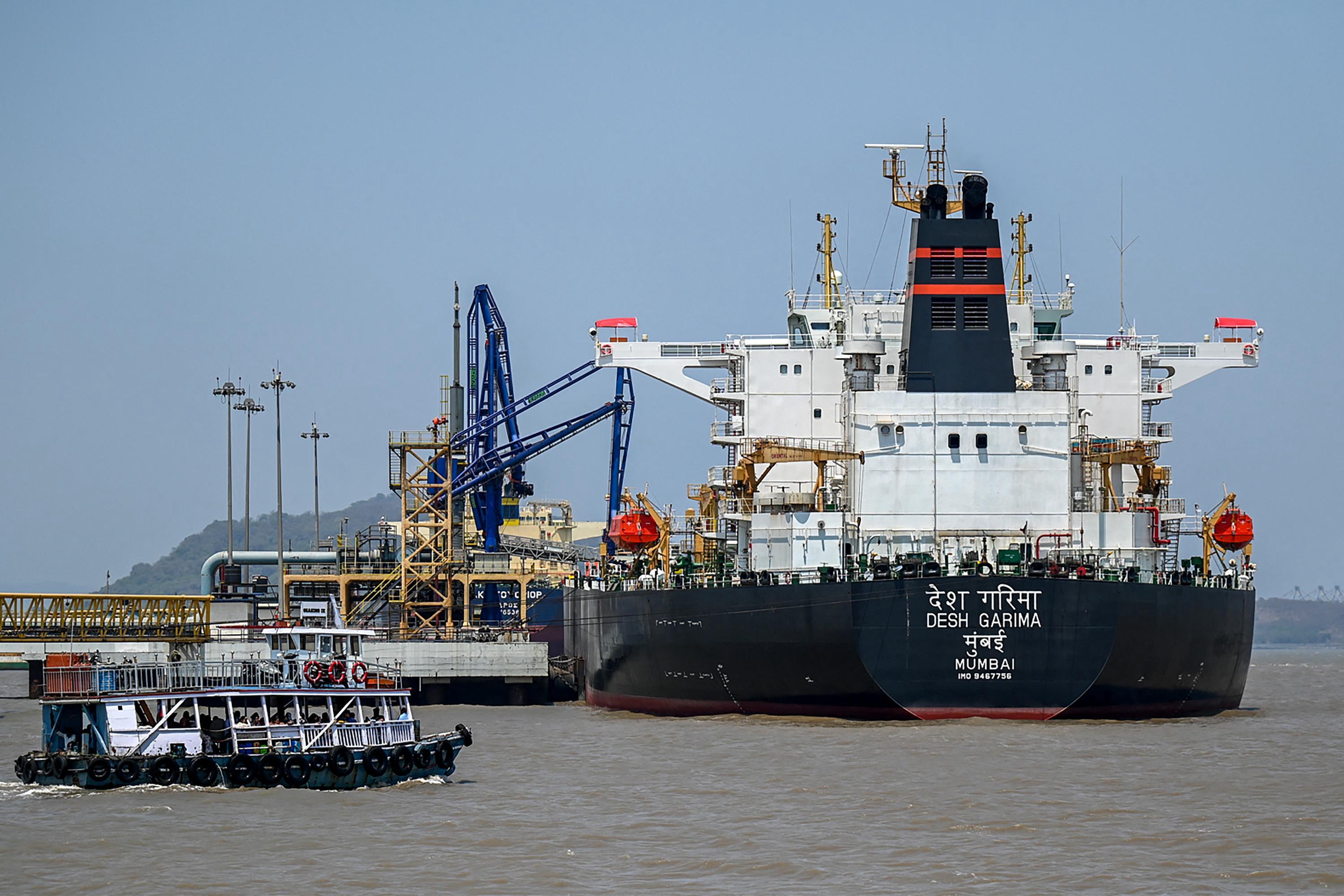
India is preparing to send oil tankers through the Strait of Hormuz to secure fresh crude and energy cargoes from Middle Eastern suppliers, as the Iran conflict continues to disrupt global flows. Plans for the crossings have been finalised, with ships expected to move once New Delhi gives final approval. The move underscores how critical the narrow waterway remains for India’s oil security and for keeping domestic fuel prices and inflation in check.
India’s Oil Lifeline Through A Chokepoint
India, the world’s third largest oil consumer, depends heavily on crude transported through the Strait of Hormuz, with nearly 30 per cent of its crude imports typically moving via this route before the current crisis. The ongoing conflict involving Iran, the United States and regional players has led to partial blockades, heightened military presence and stranded vessels across the Persian Gulf, forcing importers to juggle alternative routes, reserve releases and new risk calculations.
New Tanker Plans And Security Cover
According to reporting based on government and industry sources, India has drawn up plans to send vessels through the Strait to load energy cargoes, potentially marking the first such crossings since the conflict escalated. State owned Shipping Corporation of India is prepared to resume voyages into the Persian Gulf once it receives clearance from the Indian Navy and firm cargo nominations from refiners. New Delhi has already deployed more than half a dozen warships in the Arabian Sea and Gulf of Oman to escort fuel and LPG carrying vessels, though these naval assets are currently positioned east of Hormuz and not inside the chokepoint itself.
Risk Balancing With Alternatives
While India has diversified some crude imports towards Russia, West Africa and the United States, pipeline bypass capacity in West Asia can only reroute a portion of the disrupted Hormuz flows, meaning the strait remains indispensable for the foreseeable future. India’s strategic petroleum reserves and commercial stocks together provide an estimated 70 plus days of cover, but policymakers are clearly wary of testing those buffers amid volatile prices and tightening shipping insurance conditions. Any crossings will depend not just on Indian planning, but also on whether Iran and the United States permit Indian flagged tankers safe passage through the heavily militarised corridor.
Tanker Route Insights
- India is preparing to send crude oil tankers through the Strait of Hormuz for the first time since the latest Iran conflict escalation, once final government approval is granted.
- Nearly 30 per cent of India’s crude imports and a large share of LPG typically transit via Hormuz, making disruptions a direct threat to domestic fuel supply and inflation.
- State owned Shipping Corporation of India is ready to resume Persian Gulf operations with naval and regulatory clearances and confirmed business from oil refiners.
- India has positioned more than six warships east of the Strait to escort fuel and LPG vessels through the Arabian Sea and Gulf of Oman, enhancing maritime security along key approach routes.
- Alternative crude supplies from Russia, Wst Africa and the US, plus limited pipeline bypasses in Saudi Arabia and the UAE, have eased but not eliminated India’s exposure to Hormuz risk.
- Strategic reserves and commercial storage can cover roughly 70 plus days of demand, but New Delhi is moving to protect longer term supply by cautiously reopening tanker traffic through Hormuz.
Sources: The Print, Bloomberg, NDTV, Times Of India