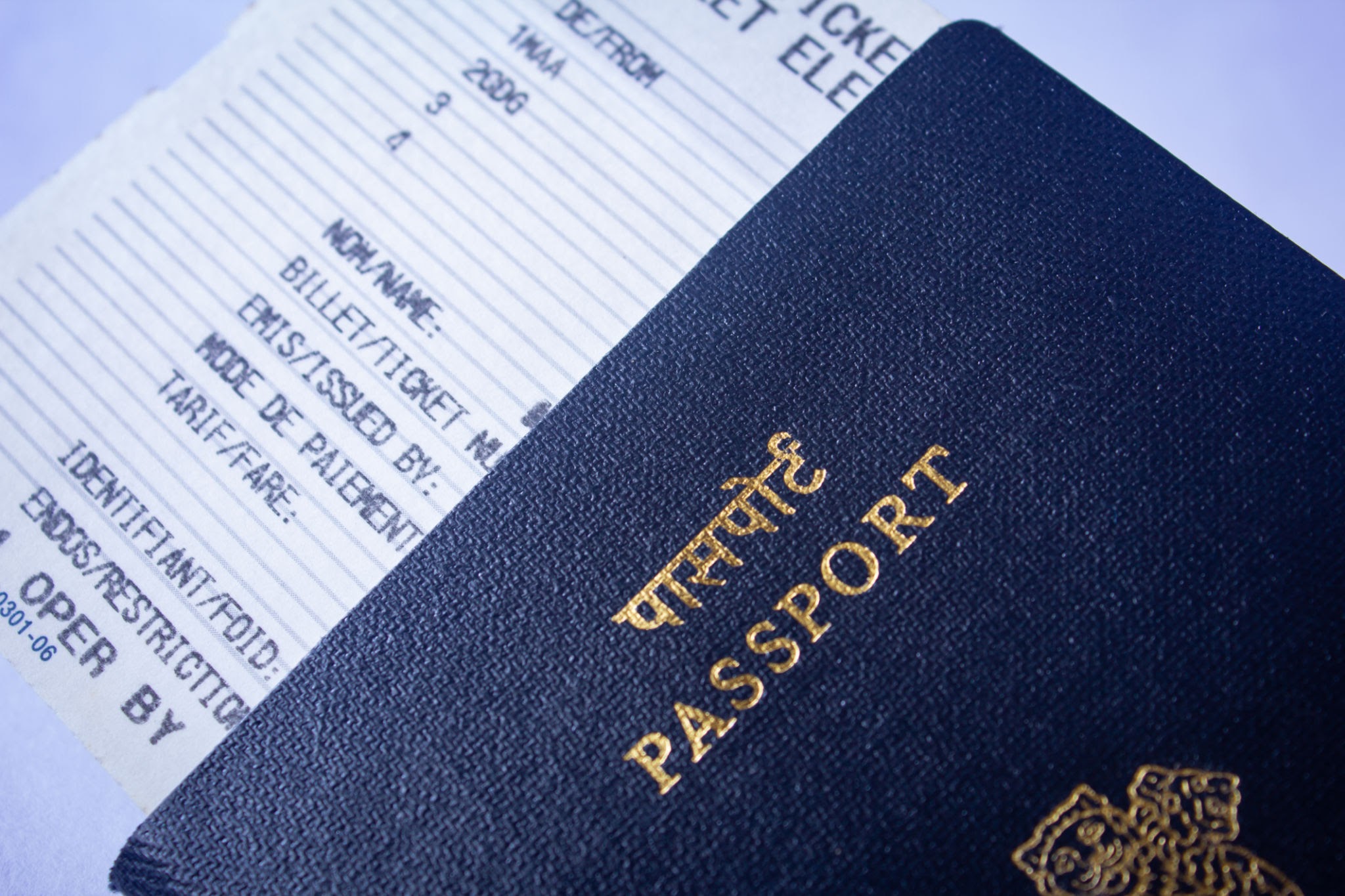
Indian outbound tourists are fundamentally changing how travellers choose a good travel insurance policy in India, moving away from low-cost premiums toward robust cashless global hospital networks, clear deductible frameworks, and high claim settlement ratios. This analytical shift ensures reliable financial protection against rising global medical costs and frequent international flight disruptions.
NEW DELHI — As outbound passenger volumes from India climb to unprecedented heights this June 2026, the criteria for selecting protective overseas coverage have undergone a significant evolution. According to consumer data from major financial aggregators, the question of how travellers choose a good travel insurance policy in India is no longer determined solely by the cheapest premium. Instead, a complex mix of destination-specific mandates, cashless medical networks, and rising flight disruption frequencies now drives the decision-making process for domestic commuters heading abroad.
Evaluating Cashless Medical Networks and Claim Settlement Ratios
Faced with steep hospital bills in regions like North America and Europe, Indian tourists are prioritizing the strength of an insurer's international healthcare network. Regulatory updates from the Insurance Regulatory and Development Authority of India (IRDAI) emphasize that a high Claim Settlement Ratio (CSR) acts as a primary benchmark for reliability.
When figuring out how travellers choose a good travel insurance policy in India, experienced corporate planners and family tourists look closely at whether the provider offers direct billing at global hospitals. If a policy relies purely on a reimbursement model, the customer must settle thousands of dollars in emergency room fees out of pocket before seeking reimbursement back in India. Consequently, policies backed by third-party administrators (TPAs) with extensive networks in the destination country are heavily favored.
Destination Demands and Deductible Structures
Global visa rules are also changing how travellers choose a good travel insurance policy in India. For instance, Schengen zone countries strictly require a minimum medical coverage of €30,000, which must include emergency repatriation provisions.
Key Elements Under Evaluation:
The Deductible Limit: This represents the fixed amount a policyholder must pay before the insurance company covers the remaining balance. Lower deductibles protect consumers from unexpected financial strain during minor medical events.
Baggage and Delay Allowances: With international transit hubs experiencing recurrent baggage delivery challenges, policies offering automatic payouts for checked luggage delays exceeding 6 hours are seeing higher conversion rates.
Pre-existing Medical Condition (PED) Add-ons: Historically excluded by default, older passengers are increasingly paying higher premiums to secure explicit riders for stabilized pre-existing illnesses like diabetes or hypertension.
The Growth of Digital Aggregators and Policy Customization
The digital transformation of India's fintech space has made it much simpler to compare coverage options side-by-side. Platforms allow buyers to filter policies based on specific activities, such as adventure sports, which are typically excluded from standard contracts.
Corporate travelers are opting for multi-trip, annual insurance plans. These policies offer continuous protection across multiple international border crossings within a 360-day window, eliminating the administrative chore of purchasing individual coverage before every single flight. On the other hand, leisure tourists are focusing on customized, single-trip plans that match the exact duration of their vacation itinerary.
Official Sources Section
According to official advisories published by the Ministry of External Affairs (MEA), maintaining comprehensive health and travel indemnity is strongly recommended for all citizens crossing international borders. Furthermore, standard compliance circulars issued by the Insurance Regulatory and Development Authority of India (IRDAI) mandate that domestic insurers must provide clear, explicit product information sheets to prevent hidden clauses from misleading buyers.
Quote Section
"According to officials tracking consumer trends in the domestic insurance market, there is a clear shift toward high-sum-insured products. Modern buyers are demonstrating a much deeper understanding of policy features like sub-limits and exclusions, rather than simply selecting the lowest-priced premium on the market."
Why It Matters
Understanding how travellers choose a good travel insurance policy in India carries direct financial consequences for families and businesses. A single uninsured medical emergency in countries like the United States can completely deplete a family's personal savings.
By selecting a policy with comprehensive outpatient department (OPD) coverage and trip cancellation protection, travelers shield their financial investments from unpredictable events like airline strikes, natural disasters, or sudden health emergencies. For the broader industry, this shift toward comprehensive policies encourages insurers to introduce more transparent, consumer-friendly products to the market.
Key Facts at a Glance
Primary Selector: Cashless hospital network strength and high global TPA presence are overtaking low premiums as top priorities.
Schengen Compliance: Passports entering European zones require a minimum of €30,000 in valid medical coverage.
Deductible Focus: Smart buyers are avoiding high out-of-pocket deductibles to prevent unexpected expenses during minor emergency room visits.
Baggage Automation: New-age policies offer rapid, parametric payouts for severe luggage delays without requiring extensive paper trails.
FAQ Section
What is the minimum travel insurance coverage required for European travel from India?
Schengen visa regulations mandate that all visitors secure a policy offering at least €30,000 in emergency medical coverage, including medical evacuation and repatriation benefits.
How do travellers choose a good travel insurance policy in India regarding pre-existing conditions?
Travellers should evaluate policies that offer specific optional riders for pre-existing medical conditions (PED). They must declare these conditions clearly during the purchase process to ensure claims are not rejected later.
What does the term "deductible" mean in an international travel policy?
A deductible is the initial, predetermined financial amount that the insured traveler must pay out of pocket before the insurance provider steps in to cover the remaining costs of a claim.
Source: Insurance Regulatory and Development Authority of India (IRDAI) Directives, Ministry of External Affairs (MEA) Travel Advisories, Consolidated Indian Consumer FinTech Market Studies (June 2026).