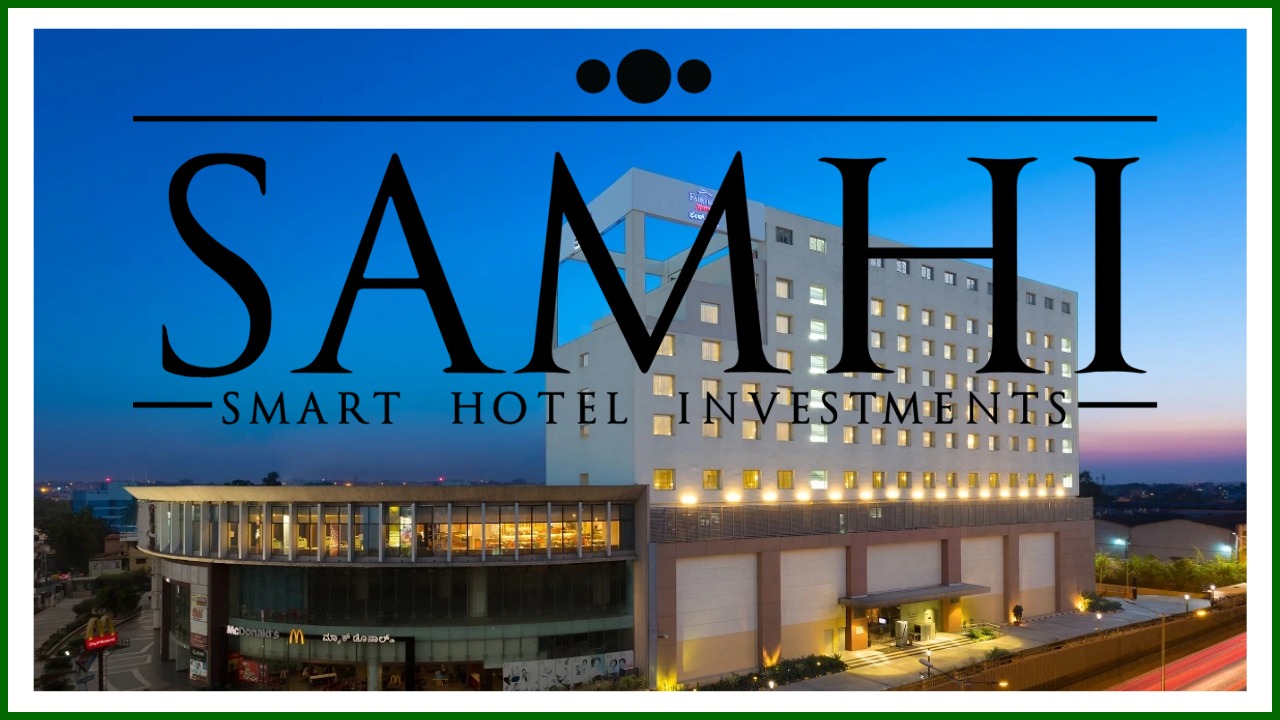
HSBC has lowered its 12-month target price for SAMHI Hotels to ₹199 per share from ₹244, citing short-term margin pressures from ongoing hotel renovations and asset integration costs. Despite the price target adjustment, the bank retains a positive long-term outlook on the hospitality firm's business model.
MUMBAI — In a move tracking changing dynamics inside India's consumer service sector, global banking group HSBC has lowered its 12-month technical valuation benchmark for premium hospitality company SAMHI Hotels Limited (SAMH.NS). In a formal equity research dispatch distributed on Friday, July 10, 2026, institutional analysts adjusted the SAMHI Hotels stock price objective downward to ₹199 per equity share, dropping from its previous target benchmark of ₹244.
The downgrade reflects near-term operational challenges, including rising room renovation costs and temporary supply pressures across primary urban micro-markets. However, HSBC maintained its constructive structural outlook for the enterprise, keeping a formal investment rating to mirror resilient underlying demand metrics in corporate corporate travel.
Shifting Valuations and Changing Market Metrics
According to equity documentation published across institutional trading infrastructure monitored via BSE Limited and the National Stock Exchange of India (NSE), the revised ₹199 valuation metric represents an technical reset rather than a structural deterioration of the core hospitality platform. The new price objective still implies a potential upside corridor relative to the stock's recent market price of roughly ₹171.20 to ₹173.95.
Market research desks note that the adjustment aligns with a widespread re-balancing affecting small and mid-cap hospitality firms. While upscale providers like Indian Hotels Company (IHCL) continue to secure premium room rates, mid-scale operators face rising operational costs as they upgrade property assets to meet modern corporate traveler expectations.
Aggressive Portfolio Revamps Pressuring Margin Horizons
A key factor behind the near-term valuation adjustment is the company's capital allocation layout. Operating as a prominent branded hotel ownership and asset management platform with partnerships alongside Marriott, IHCL, and Hyatt, SAMHI is heavily engaged in integrating acquired properties.
The integration of recently acquired assets, such as the extensive franchise assets from the pack of mid-market operations, requires notable near-term investments. This focus impacts financial metrics on multiple fronts:
Renovation Closures: Temporary room closures during property turnarounds reduce active operational room counts, slowing near-term RevPAR (Revenue Per Available Room) expansion metrics.
Financing Pressures: The acquisition-led expansion model leaves the company exposed to elevated interest service expenses, impacting immediate net margins.
Input Cost Inflation: Widespread updates from the Ministry of Statistics and Programme Implementation (MOSPI) indicate sticky service-sector input costs, particularly across commercial food supply pipelines and specialized labor segments.
Official Sources Section
Institutional target changes and core tracking files follow strict corporate reporting parameters governed by the Securities and Exchange Board of India (SEBI) and align with institutional investment briefs disseminated directly by the Global Equity Research division at HSBC Bank.
Quote Section
"According to officials keeping tabs on institutional desk routing, the target adjustment to ₹199 reflects a near-term normalization of valuation multiples across the hospitality mid-market sector," commercial trading desk notes indicated. "While the company's long-term asset aggregation strategy remains sound, the pace of near-term margin realization has slowed due to asset turnaround lifecycles."
Why It Matters
Fluctuations in corporate target parameters directly alter institutional equity flows and influence individual retail mutual fund allocations. For enterprise travel consumers and commercial corporate clients, SAMHI’s continued reinvestment into room quality guarantees premium inventory across high-density logistics hubs. For public equity investors, tracking these valuation adjustments provides a clearer risk-reward view, highlighting the importance of balancing long-term growth against near-term margin execution delays.
Key Facts at a Glance
Target Adjustment: HSBC lowers its SAMHI Hotels stock target to ₹199 from ₹244 per share.
Investment View: The global bank maintains a constructive structural outlook despite the near-term price adjustment.
Core Drivers: Higher renovation expenses and acquisition integration cycles are putting pressure on near-term margins.
Strategic Position: Long-term management deals with Marriott, IHG, and Hyatt remain fully on track.
FAQ Section
Why did HSBC cut its price target for SAMHI Hotels?
The target cut was driven by expected near-term margin pressure from room renovation cycles, higher asset integration costs, and elevated finance expenses related to recent acquisitions.
What is the current operational strategy of the firm?
SAMHI Hotels focuses on an acquisition-led growth strategy, buying out business hotels in high-demand micro-markets and upgrading them through long-term branding partnerships with global operators like Marriott and Hyatt.
Where can shareholders monitor official corporate filings?
Shareholders can view verified corporate announcements, quarterly balance sheets, and SEBI compliance logs directly on the official investor relations portal of SAMHI Hotels or via the corporate disclosure sections of the NSE and BSE websites.
Source: Institutional Investment Bulletin, Global Equity Research Desk at HSBC, and statutory corporate declarations archived at the National Stock Exchange of India (NSE).