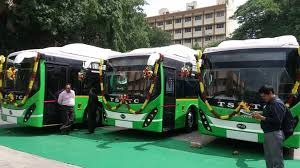
Hyderabad has secured the third spot in India's electric bus adoption race, outpacing cities like Mumbai through aggressive fleet expansion and infrastructure development. With 500 electric buses now operational, the city’s transition to zero-emission public transport is serving over 120,000 daily commuters and advancing regional sustainability goals.
HYDERABAD — Hyderabad has emerged as a frontrunner in India’s transition to green public mobility, securing the third position nationally in electric bus (e-bus) deployment. Driven by the aggressive electrification strategy of the Telangana State Road Transport Corporation (TGSRTC), the city has rapidly scaled its fleet, effectively outpacing transit operations in Mumbai and Ahmedabad.
Recent data confirms that the Telangana government's focus on decarbonizing urban transit has transitioned from early-stage pilots to high-volume operational deployment. With the latest induction of 60 electric buses flagged off in late May 2026, the city’s electric fleet has reached a significant milestone, solidifying its status as a critical hub for zero-emission public transport in Southern India.
Expanding the Zero-Emission Fleet
The expansion of Hyderabad's electric bus network is a cornerstone of Telangana’s broader "Clean Energy" roadmap. According to official transport ministry data, the TGSRTC now manages one of the largest state-owned electric fleets in the country. The deployment involves high-capacity, 12-meter e-buses equipped with advanced LFP (Lithium Iron Phosphate) battery technology, capable of covering up to 300 kilometers on a single charge.
"According to officials, the latest induction of 60 buses brings the total fleet size to 500 units within the city limits, with statewide operations even higher," stated the transport department. This rapid scaling, facilitated largely through Gross Cost Contracts (GCC) with manufacturers like Olectra Greentech, has allowed the state to manage ridership demands effectively while maintaining rigorous emission standards.
Why Hyderabad Pips Major Metros
The shift in rankings highlights the uneven pace of electric mobility adoption across India’s Tier-1 cities. While cities like Mumbai have faced operational hurdles—such as industrial actions and logistical challenges with legacy transport bodies—Hyderabad has benefited from streamlined procurement cycles and proactive partnerships with major original equipment manufacturers (OEMs).
Industry analysts note that Hyderabad’s ascent is supported by:
Infrastructure Synergy: Early investments in dedicated charging depots, such as the major facility at Ranigunj, have ensured high fleet uptime.
Strategic PPP Models: The use of Gross Cost Contracts has mitigated the initial capital expenditure burden for the state, allowing for faster deployment.
High Commuter Demand: The integration of e-buses on high-traffic routes, including luxury intercity services between Hyderabad and towns like Karimnagar, has demonstrated the long-haul viability of electric transit.
Impact on Commuters and the Environment
For the citizens of Hyderabad, the impact is both immediate and measurable. The expanded e-bus fleet currently serves approximately 120,000 passengers daily. Beyond the reduction in tailpipe emissions, commuters are reporting improved travel experiences due to the modern amenities, such as air suspension and lower floor designs, featured in the latest models.
From an environmental perspective, the scaling of the electric fleet is central to Telangana's contribution to India’s 2070 Net Zero targets. By replacing aging diesel-powered vehicles with zero-emission electric buses, the city is significantly curbing its urban carbon footprint and reducing noise pollution in high-density corridors.
Official Sources
Key Facts at a Glance
Hyderabad Ranking: Currently 3rd in India for e-bus adoption.
Daily Ridership: Approximately 120,000 passengers served by the electric fleet.
Recent Milestone: Fleet size reached 500 units in Hyderabad following the May 2026 deployment.
Technology: 12-meter buses with LFP batteries providing a 300 km range.
FAQ
1. Why has Hyderabad surpassed other metros in e-bus deployment?
Hyderabad’s rise is attributed to effective PPP models, early investment in charging infrastructure, and a streamlined procurement process that avoided the industrial and operational bottlenecks seen in some other major cities.
2. How many electric buses are currently running in Hyderabad?
As of June 2026, the TGSRTC operates 500 electric buses within the Hyderabad metropolitan region, with additional units operational across the state.
3. What is the impact on daily commuters?
The transition provides a more reliable, quieter, and smoother ride with reduced carbon emissions, while the increased fleet size helps reduce wait times on popular city routes.
Source: TGSRTC Official Portal, CMV360 Commercial Vehicle News, The Hans India