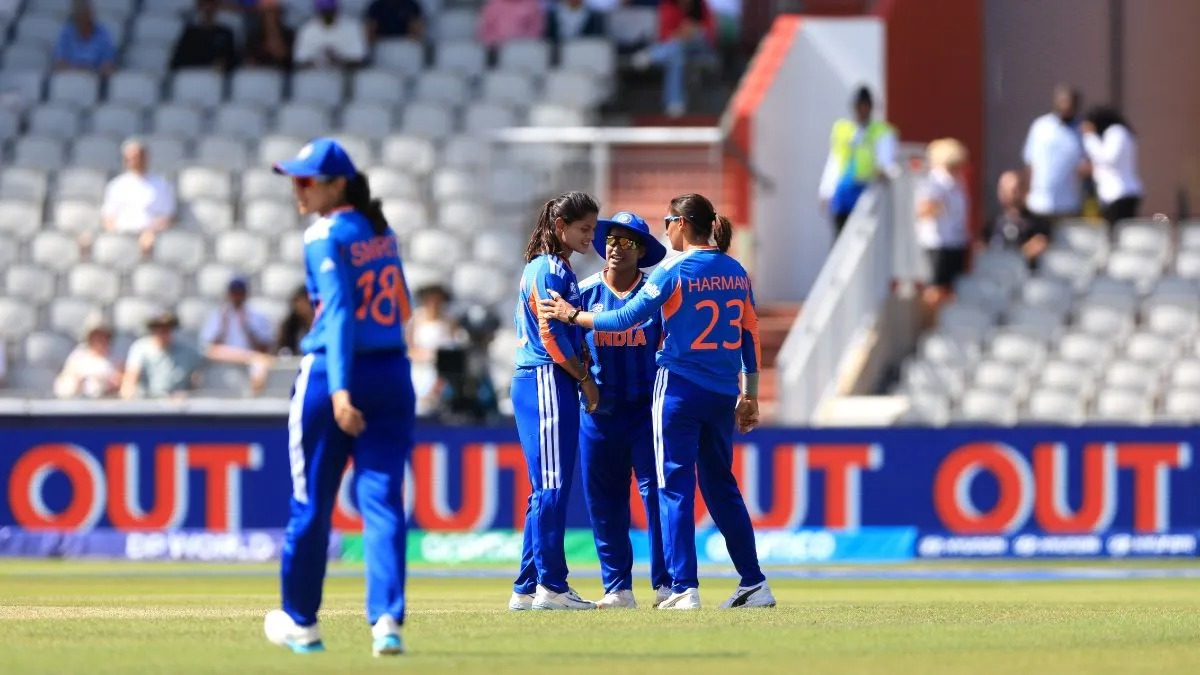
The ICC is facing widespread criticism over its "India-friendly" scheduling policy during the Women's T20 World Cup. Critics argue that fixing match times and pre-allocating knockout brackets to suit South Asian prime-time television compromise competitive fairness and player recovery times to secure commercial broadcast revenues at the expense of equity.
LONDON, England — The International Cricket Council (ICC) is facing intensified scrutiny from competing cricket boards and international athletes over its tournament formatting frameworks. Critics allege that the "India-friendly" scheduling policy in the Women's T20 World Cup has compromised sports parity to guarantee prime-time television viewership in the lucrative South Asian market. The controversy peaked as the tournament progressed through its final pool matches at Lord's, with multiple competing bodies raising formal concerns regarding uneven recovery periods and fixed knockout allocations that disproportionately accommodate broadcast syndicates over competitive fairness.
Prime-Time Logistics vs. Sporting Equity
The structural debate centers on the predefined allocation of match timings and tournament brackets tailored to Indian Standard Time (IST). Throughout the group stages of the ongoing ICC Women's T20 World Cup 2026, every single fixture involving the Indian women's cricket team was scheduled for a 7:00 PM IST broadcast, irrespective of the localized host venue conditions in England and Wales.
While this ensures massive streaming audiences on platforms like JioHotstar and satellite television channels like Star Sports, it has resulted in operational imbalances for opposing teams. Rival teams have found themselves navigating irregular day-night turnarounds and shifting stadium climates, while the Indian team retained a predictable, standardized playing window.
The scheduling policy also drew heavy criticism for its pre-allocated knockout structure. According to the tournament framework established by the global governing body, if India had qualified for the semi-finals, they were mathematically locked into a specific semi-final slot regardless of whether they finished first or second in their group. This policy directly disrupts the traditional sporting advantage usually awarded to top-seeded group finishers, who are typically granted scheduling priority or choice of venue.
Backlash From Competing Nations
The administrative decisions have triggered a wave of resistance among member boards, particularly within European and Southern Hemisphere cricketing circles. Internal leaks from prominent squads, including members of the English women’s cricket team, highlight growing resentment over what is perceived as commercial appeasement of the Board of Control for Cricket in India (BCCI).
Critics point out that this is not an isolated incident but rather an extension of scheduling policies previously seen in men's ICC tournaments. By locking specific teams into rigid broadcasting brackets well in advance, the ICC effectively removes the element of competitive reward. Opposing managers argue that such planning compromises high-performance sports management, as teams are left guessing their logistical requirements until the last possible minute to preserve television advertising slots.
Financial Realities and Broadcaster Pressure
The underlying driver behind the ICC’s controversial scheduling policy remains economic. The South Asian television and digital marketplace generates over 70% of the ICC's global commercial revenue. Consequently, international broadcast syndicates exert immense pressure on tournament organizers to ensure high-profile matches do not conflict with prime-time viewing hours in India.
For investors, corporate sponsors, and commercial brands, a fixed schedule that guarantees the Indian team plays during peak evening hours maximizes return on investment (ROI). However, for sports fans and purists, this commercial prioritization threatens the integrity of international cricket. Observers note that when financial metrics dictate the on-field logistics of a World Cup, it undermines the principles of fair play that governing bodies are constitutionally obligated to protect.
Official Sources Section
The tournament rules, match progressions, and broadcasting parameters referenced in this article are based on official tournament publications by the International Cricket Council. Broadcast strategies and transmission timings correspond to certified distribution agreements published by official rights holders, including the Star Sports Network and regional athletic updates.
Quote Section
"According to officials representing several competing boards, the lack of parity in scheduling framework adjustments damages the competitive equilibrium necessary for an elite international tournament."
Why It Matters
The debate over the "India-friendly" scheduling policy has practical implications for the future governance of international cricket. If commercial value continues to supersede sporting balance, smaller cricketing nations may face widening competitive gaps. This structural bias could affect athlete performance, alter betting and investment dynamics, and alienate global fanbases who desire a transparent and equitable sporting ecosystem.
Key Facts at a Glance
The Controversy: Allegations that the ICC explicitly structures schedules to favor Indian television prime-time slots (7:00 PM IST).
Knockout Fixity: Pre-allocated semi-final slots for specific high-value teams bypass traditional seeding rewards.
Economic Driver: The South Asian cricket market accounts for more than two-thirds of global cricket broadcast revenue.
Competitive Impact: Opposing teams face uneven recovery periods and changing playing conditions compared to a standardized routine.
FAQ Section
Q1: What exactly is the "India-friendly" scheduling policy? A1: It refers to the practice where the ICC schedules all matches of a specific high-revenue team at fixed times (typically evening prime-time in India) and pre-allocates their knockout venues to maximize television viewership, regardless of the host nation's local time or competitive fairness.
Q2: Why does the ICC prioritize Indian broadcasting times? A2: The Indian market generates the vast majority of global cricket revenue. Broadcasters pay premium rights fees on the condition that high-profile matches align with peak viewing hours in South Asia.
Q3: How does this policy create an unfair playing field? A3: It allows one team to maintain a consistent preparation routine with identical match timings, while forcing opposing teams to navigate irregular turnaround times, shifting environments, and a lack of transparency regarding their travel schedules.
Q4: Have any teams formally protested this arrangement? A4: While formal public statements are often limited due to ICC participation agreements, players and coaching staff from several countries—including England—have voiced strong internal dissatisfaction over the perceived commercial bias.
Source: International Cricket Council Tournament Regulations, Star Sports Media Centre.