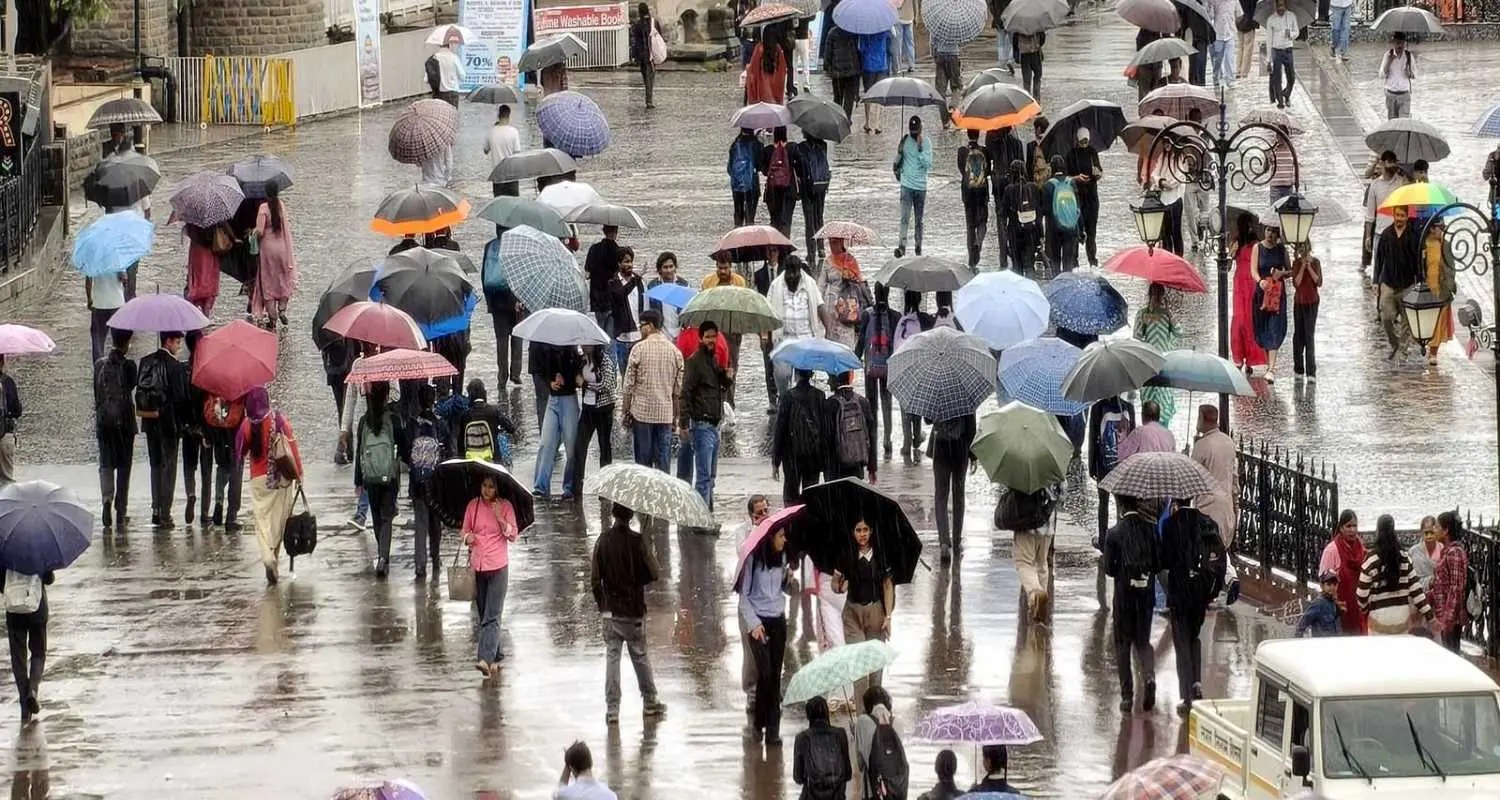
The IMD has issued a weather warning for heavy rainfall across Northwest India, including Haryana, Delhi, Punjab, Himachal Pradesh, and J&K. Active monsoon conditions are expected to trigger widespread showers through mid-July, with officials urging caution in hilly and urban areas due to potential waterlogging and landslide risks.
The India Meteorological Department (IMD) has forecast widespread rainfall and isolated heavy showers across Haryana, Delhi, Punjab, Himachal Pradesh, and Jammu & Kashmir as active monsoon conditions persist.
NEW DELHI — The India Meteorological Department (IMD) has issued a multi-day weather warning for large swathes of Northwest India, signaling a period of heavy rainfall that is expected to continue through mid-July 2026. This alert covers the union territories of Jammu & Kashmir, Ladakh, and Chandigarh, as well as the states of Himachal Pradesh, Punjab, Haryana, and the National Capital Region (NCR) of Delhi.
Following the full advancement of the southwest monsoon across the country on July 9, 2026, atmospheric conditions have become favorable for continued precipitation. Meteorological experts attribute the active weather pattern to a convergence of multiple systems, including an active western disturbance over north Pakistan and a monsoon trough currently positioned near its normal range.
Regional Rainfall Forecast
According to the latest IMD bulletins, the intensity of rainfall is expected to remain significant for the next several days.
Punjab and Haryana: Both states are under a heavy rain alert from July 11 through July 13, 2026. The department has warned that residents should prepare for potential waterlogging in low-lying areas and disruption to local transport.
Himachal Pradesh: The hilly state is slated for sustained rainfall, with heavy showers predicted consistently from July 11 through July 15. The terrain makes these areas particularly vulnerable to localized landslides and flash floods.
Jammu & Kashmir: Isolated heavy rainfall is forecasted for the region through July 12, adding to the cumulative moisture the area has received since early July.
Delhi-NCR: The capital region is expected to experience isolated to scattered rainfall through July 16, with the peak intensity of the current spell projected for the July 11–13 window.
Meteorological Factors at Play
The current weather activity is driven by a complex set of atmospheric conditions. In addition to the monsoon trough, the IMD has identified a low-pressure area over central Uttar Pradesh that, while weakening, continues to influence moisture distribution across the northern plains. Simultaneously, an upper-air cyclonic circulation over the neighboring regions is helping to sustain the inflow of moisture from the Arabian Sea and the Bay of Bengal, ensuring widespread rainfall across Northwest India.
Official Guidance and Safety Advisories
According to officials at the India Meteorological Department, the public is advised to monitor local weather updates closely. Because the lead period for monsoon forecasts can influence accuracy, the IMD has directed regional centers to provide district-level multi-hazard weather warnings to ensure residents are prepared for sudden weather shifts.
The department has specifically cautioned those in urban and hilly areas to remain vigilant, as these regions face the highest risks from sudden downpours and associated infrastructure impact.
Why It Matters
For citizens, this prolonged wet spell signifies a high risk of urban flooding, traffic congestion, and potential agricultural impact. For travelers planning trips to the hilly regions of Himachal Pradesh and Jammu & Kashmir, the IMD warnings are particularly crucial, as heavy rain often leads to road closures and travel delays. Staying informed via official channels is essential for ensuring safety during this active phase of the monsoon.
Key Facts at a Glance
Alert Period: Heavy rain warnings remain active for Punjab, Haryana, and Delhi through July 13; Himachal Pradesh remains under alert through July 15.
Geographic Scope: The forecast encompasses Jammu & Kashmir, Himachal Pradesh, Punjab, Haryana, Chandigarh, and Delhi.
Primary Risks: The IMD has highlighted risks of urban waterlogging, potential landslides in hilly terrains, and disruptions to surface transport.
Monsoon Status: The southwest monsoon has officially covered the entire country as of July 9, 2026.
FAQ Section
How long will the heavy rain continue? While the current heavy rain alerts for Punjab, Haryana, and Delhi expire on July 13, widespread rainfall is expected to persist across Northern India through at least July 16.
What should residents in hilly areas do? The IMD advises residents in mountainous regions to exercise caution regarding potential landslides and to avoid unnecessary travel during intense rain spells.
Where can I find real-time updates? Real-time district-wise warnings and daily weather bulletins are available on the official IMD website.
Is this rain normal for July? Yes, July is a peak monsoon month for Northwest India, though current atmospheric conditions are sustaining higher-than-average localized rainfall activity.
Source: India Meteorological Department (IMD), IMD Press Releases, The Hans India