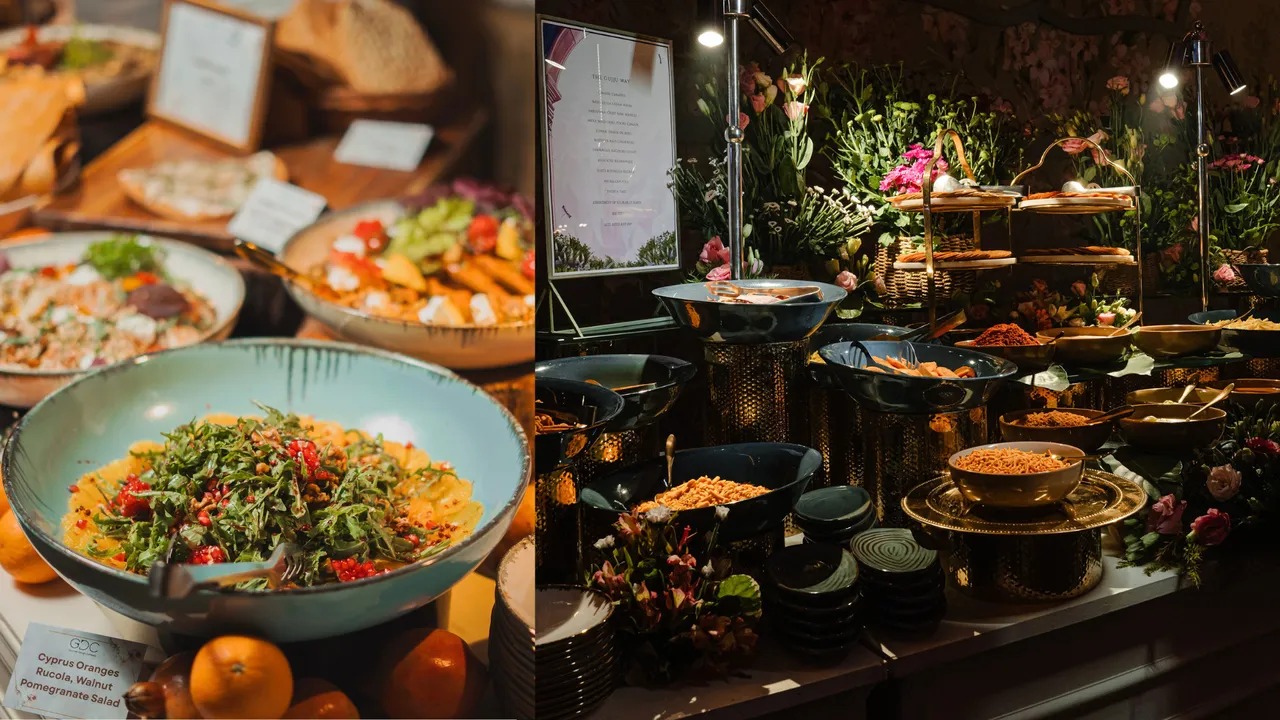
Indian wedding menus are transitioning from expansive, mass-market buffets to curated, chef-led dining experiences. By integrating gourmet interpretations of street food and personalized chef’s tables, the industry is meeting a growing demand for authenticity, sustainability, and quality, reflecting a wider shift in how families celebrate.
As traditional catering evolves, Indian wedding menus are shifting toward hyper-localized street food and gourmet chef’s tables, redefining the guest experience.
NEW DELHI — The traditional "all-you-can-eat" buffet, a staple of the Indian wedding landscape for decades, is undergoing a significant transformation. Across major metropolitan hubs, including Delhi, Mumbai, and Bengaluru, high-end wedding planners and culinary experts are moving toward curated, interactive dining experiences. This shift, which emphasizes quality, storytelling, and regional authenticity, reflects a broader change in how families approach the hospitality aspect of their celebrations.
The transition from mass-catered buffets to boutique, chef-led stations marks a departure from the "quantity-over-quality" mindset that has long dominated the multi-crore wedding industry. As modern couples prioritize personalized experiences, these evolving Indian wedding menus are increasingly mirroring the trends seen in international fine dining, where food is presented as a central element of the event’s entertainment.
The Rise of The Chef’s Table
One of the most notable trends in current wedding catering is the introduction of the "chef's table" experience. Rather than serving hundreds of guests from standardized chafing dishes, families are hiring specialized culinary teams to craft small-batch, made-to-order plates. These setups allow guests to interact directly with chefs, who explain the origins of the ingredients and the inspiration behind the dishes.
This format provides a more intimate dining atmosphere, which is particularly favored for pre-wedding functions like sangeets or mehendi ceremonies. By limiting the menu to a rotating selection of seasonal, locally sourced produce, caterers are able to reduce food waste while elevating the overall culinary narrative of the wedding.
Elevating Street Food to Gourmet Status
Simultaneously, the industry is witnessing a "gourmetization" of Indian street food. What were once simple, localized snacks are now being re-imagined by professional kitchens. From artisanal chaat stations featuring imported ingredients to deconstructed regional delicacies, caterers are blending traditional flavors with contemporary presentation.
"The demand for nostalgic food presented with a modern aesthetic has never been higher," noted a representative from a leading luxury catering firm in Delhi. By focusing on the provenance of ingredients—such as sourcing heritage grains or specific regional spices—caterers are transforming simple snacks into highlight items of the wedding feast.
Impact on Logistics and Hospitality
This shift toward bespoke Indian wedding menus has forced a change in logistics for event organizers. Providing a curated experience requires a higher staff-to-guest ratio, more complex kitchen setups, and precise timing—factors that have pushed catering costs upward. Despite the higher price point, market reports indicate that families are increasingly willing to invest in these premium services, viewing food as a critical component of the event’s success.
For the catering industry, this trend provides an opportunity for innovation. Chefs are no longer just cooking for large crowds; they are becoming part of the event’s creative team, working closely with designers to ensure that food displays harmonize with the wedding’s overall theme and decor.
Official Sources
According to The Federation of Hotel and Restaurant Associations of India (FHRAI), the organized catering sector is seeing a consistent double-digit growth in demand for specialized, low-waste, and high-quality dining services. Organizers stated that the emphasis on "conscious consumption" is a key driver for this change, with many couples requesting menus that prioritize sustainable sourcing and locally produced ingredients.
Why It Matters
This trend reflects a broader cultural change: Indian weddings are becoming smaller, more thoughtful, and highly personalized. For guests, this means a significantly higher-quality culinary experience that avoids the pitfalls of over-prepared, mass-produced meals. For the hospitality sector, it confirms that future success lies in personalization and the ability to deliver authentic, elevated experiences that feel unique to the host family.
Key Facts at a Glance
Menu Evolution: The industry is moving away from massive, standardized buffets toward smaller, curated, and interactive dining setups.
Chef-Led Experiences: The rise of "chef's tables" allows for high-quality, made-to-order service that emphasizes freshness and storytelling.
Regional Focus: There is an increased focus on sourcing heritage grains and locally produced spices to offer authentic regional flavors.
Waste Reduction: Smaller, interactive stations contribute to significantly lower food waste compared to traditional, large-scale buffet service.
Economic Shift: The premium catering market is expanding as families prioritize quality experiences over quantity for their guests.
Frequently Asked Questions (FAQ)
Why are Indian wedding menus shifting away from traditional buffets?
Families are increasingly prioritizing personalized, high-quality dining experiences over the mass-production methods typical of the traditional buffet.
What is a "chef's table" in the context of a wedding?
It is a dedicated area where guests can interact with a professional chef as they prepare specialized, small-batch dishes, offering a more intimate and gourmet experience.
Are these premium menus sustainable?
Yes, by focusing on smaller quantities, seasonal sourcing, and precise service, these catering models often produce less food waste than traditional buffets.
How does this change the guest experience?
Guests receive fresher, more thoughtfully prepared food with a focus on regional authenticity, turning the dining portion of the wedding into an interactive event.
Source:
The Federation of Hotel and Restaurant Associations of India (FHRAI)
The Economic Times