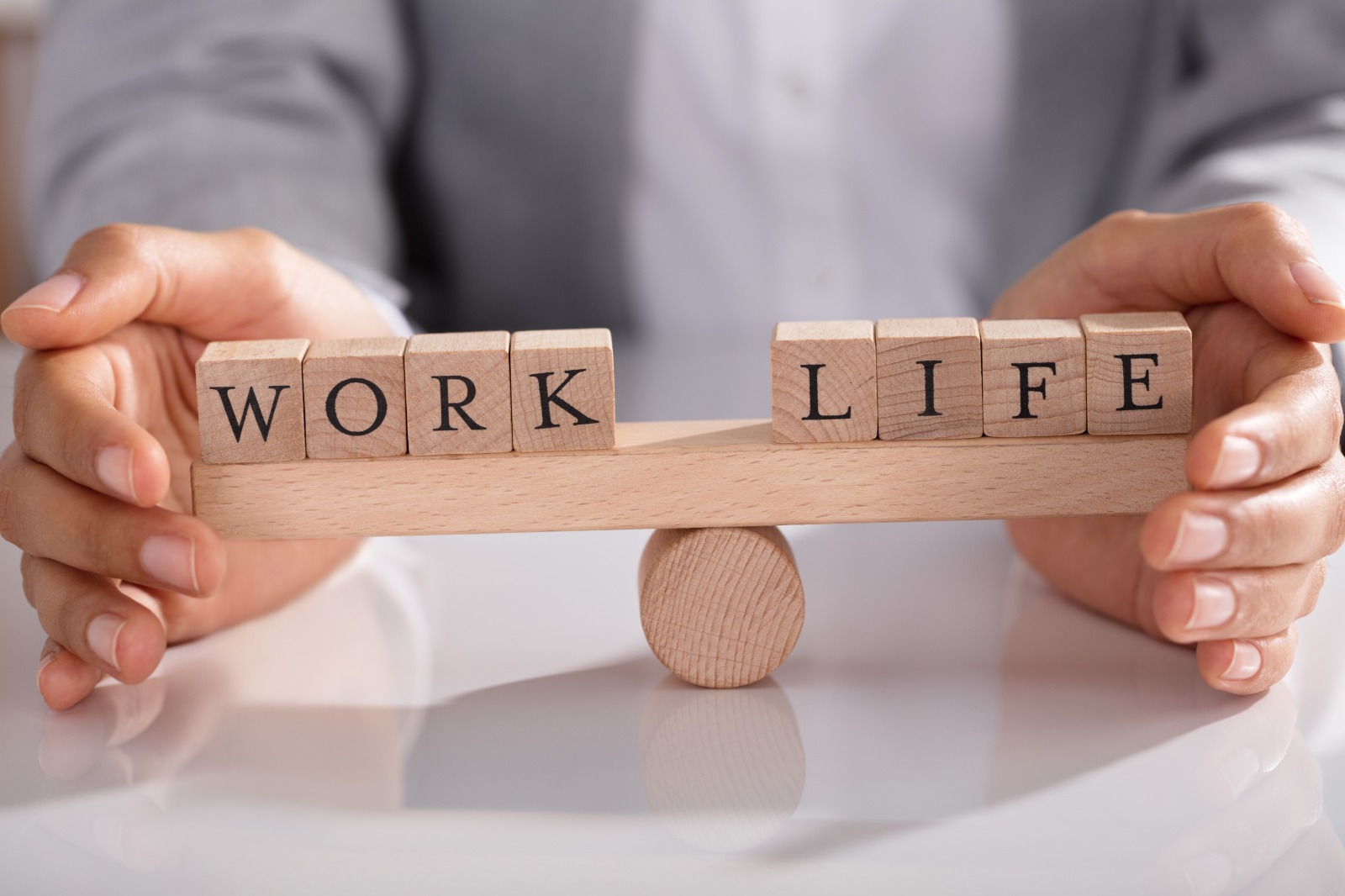
A viral video of a Bengaluru woman enjoying a peaceful lakeside morning before her 12 p.m. shift has sparked a national conversation about work-life balance. The post highlights the growing desire among Indian professionals to set personal boundaries, disconnect from digital overload, and reclaim time from corporate-dominated weekday schedules.
A viral social media video of a morning lakeside routine has ignited a nationwide conversation about reclaiming time and mental well-being in India's high-pressure corporate culture.
BENGALURU — For many corporate professionals in India’s bustling tech capital, the start of a workday is often defined by a frantic rush to clear notifications and join early morning status calls. However, a video shared this week by Divya Moses, a Bengaluru-based professional, has sparked a significant discussion on social media about the potential for healthier morning routines.
In a video that has since gone viral, Moses shared her ritual of spending her morning hours—before her 12 p.m. shift—away from her smartphone and in the company of nature. The footage captures her preparing a fresh breakfast and coffee before heading to a local lakeside, where she spends time reading and unwinding, explicitly choosing to "make room for life" before logging into work.
Reclaiming Mornings in a High-Stakes Culture
The video, captioned "Life before I log into my 12 pm job," serves as a poignant reminder that personal time can be prioritized even on a workday. Moses noted in her post that she consciously chose to abandon the habit of "doomscrolling" in favor of outdoor solitude, an action that resonated with thousands of viewers currently struggling with burnout in the corporate sector.
This development comes as India faces a broader public discourse regarding the sustainability of modern work habits. The video is the latest in a series of viral social media posts originating from Bengaluru that have challenged the "hustle culture" mentality. Previous discussions have compared Indian work schedules to international models, with many professionals highlighting the difficulty of setting boundaries in an environment where long hours are often equated with high productivity.
Impact on Corporate Discourse
The reaction to the video highlights a growing generational shift. While traditional corporate metrics in India often prioritize availability, a new cohort of employees is increasingly advocating for better work-life balance and psychological boundaries.
According to social media discourse, many professionals feel that the lack of downtime—often exacerbated by late-night meetings and the pressure to remain perpetually "online"—has led to rising levels of stress. By choosing to prioritize a personal ritual before the start of her shift, Moses has provided a practical, albeit simple, example of how individuals are attempting to mitigate this pressure.
However, experts note that such personal rituals are only one side of the coin. The debate continues to focus on whether corporate organizations should implement systemic changes, such as stricter communication policies and better support for mental health, to address the underlying causes of employee burnout.
Why It Matters
For citizens, travelers, and corporate employees, the viral response to this morning ritual signals a critical shift in workplace expectations. It underscores a collective desire for "quiet elegance" and personal time in an increasingly digital, always-on world. For businesses, this highlights the necessity of recognizing that employee retention and productivity are increasingly tied to the ability of staff to maintain a healthy, sustainable life outside of their professional responsibilities.
Key Facts at a Glance
Viral Ritual: Divya Moses’s decision to spend her pre-shift morning outdoors reading by a lake has attracted thousands of views and positive engagement.
Focus on Boundaries: The post promotes the concept that weekdays do not have to be defined solely by corporate labor.
Broader Trend: This conversation is part of a larger ongoing debate in India regarding burnout and the need for healthier corporate work-life balance.
Digital Disconnection: The routine emphasizes a conscious effort to avoid digital distractions like doomscrolling, which many professionals identify as a primary source of morning anxiety.
Frequently Asked Questions (FAQ)
What inspired the viral discussion about work-life balance?
The discussion was sparked by a video of a Bengaluru professional who chose to spend her morning hours before her 12 p.m. shift at a lake, rather than on her phone, to prioritize personal peace.
Why are these types of videos going viral in India?
They resonate with a large number of professionals who feel burned out by long working hours, constant connectivity, and the perceived "hustle culture" in major cities like Bengaluru.
Is this an isolated incident?
No, this is part of a growing trend on platforms like Instagram and LinkedIn, where users frequently share and debate the merits of work-life balance versus traditional career-focused lifestyles.
Source:
Hindustan Times
The Times of India
NDTV