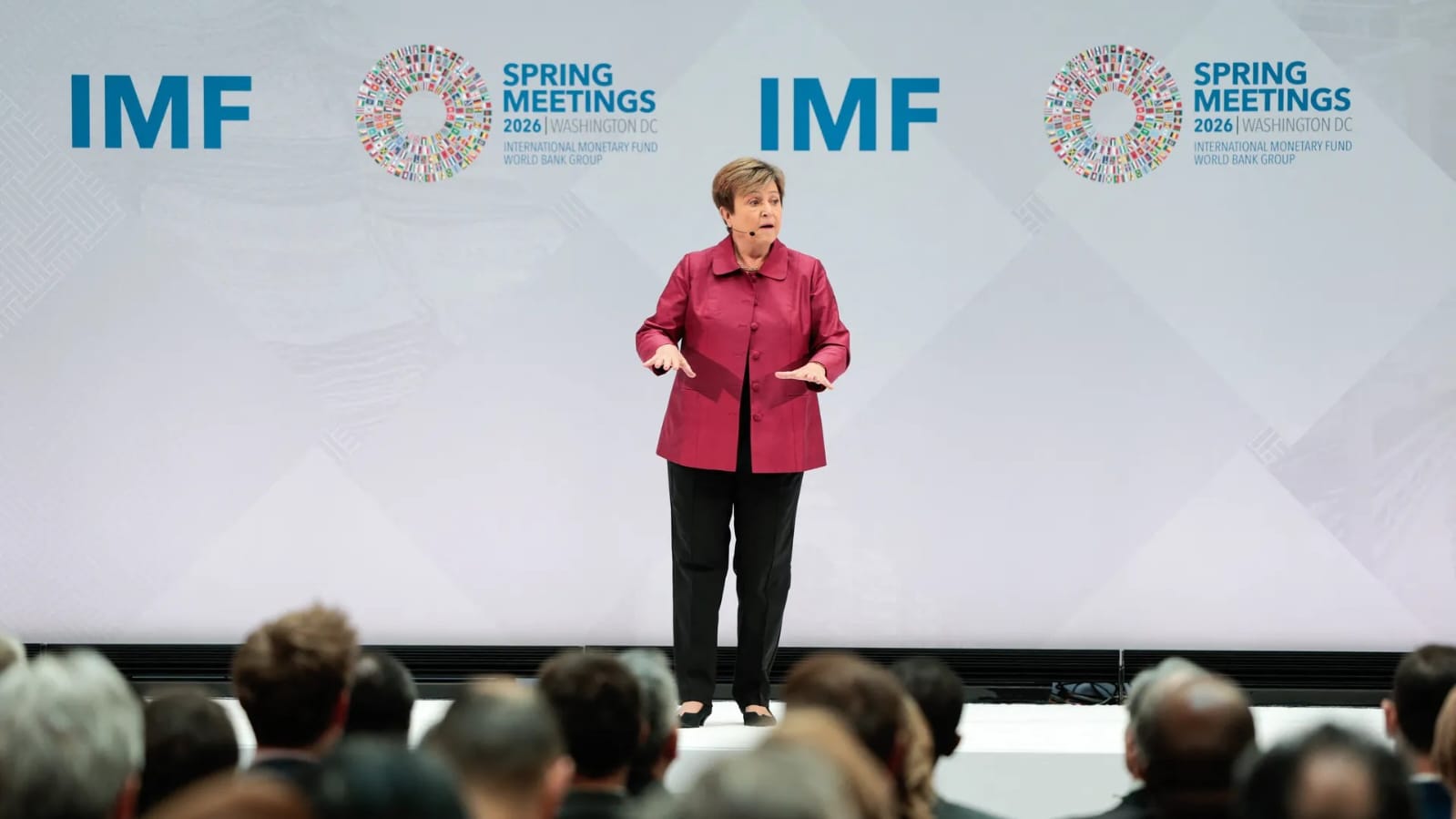
IMF Managing Director Kristalina Georgieva praised Argentina's economic progress during an official visit to Buenos Aires, declaring the nation in a "much more solid position". Significant drops in monthly inflation and structural energy exports at Vaca Muerta have bolstered investor confidence ahead of the third IMF program review.
BUENOS AIRES, Argentina — International Monetary Fund (IMF) Managing Director Kristalina Georgieva stated on July 27, 2026, that Argentina is in a "much more solid position" as the South American country progresses through its economic stabilization program. Speaking during her two-day official visit to Argentina—her first as head of the Fund—Georgieva commended the administration of President Javier Milei for executing fiscal discipline, reducing monthly inflation rates, and advancing key structural reforms. The assessment comes ahead of the third formal review of Argentina's $20 billion IMF program.
Economic Reforms and Inflation Reduction
During executive meetings with President Javier Milei and Economy Minister Luis Caputo, Georgieva highlighted the tangible results of Argentina's macroeconomic adjustment policies. Official data indicates that monthly inflation decreased from a peak of 25.5% in December 2023 to 1.9% in June 2026, signaling sustained price stabilization across consumer markets.
As part of her itinerary, Georgieva visited Patagonia's Vaca Muerta shale formation, a central pillar in the government's strategy to expand energy exports and generate foreign currency reserves. Strengthening reserve accumulation remains a key objective to ensure long-term debt sustainability and prepare the economy for future external obligations.
(Source: International Monetary Fund & Argentine Ministry of Economy Disclosures, July 2026)
Managing Sovereign Debt Obligations
Argentina remains the largest single debtor to the International Monetary Fund, with total outstanding liabilities standing at approximately $57.25 billion. An IMF staff report projected foreign-currency debt service obligations for 2027 at $32.3 billion, inclusive of interest payments.
To manage upcoming repayment hurdles, the Argentine government executed strategic balance-sheet maneuvers, including shifting $6 billion in repo financing obligations into 2028. Officials confirmed plans to cover impending maturities through multilateral credit lines, non-core asset sales, and domestic bond issuances while refraining from high-cost international capital market borrowing.
While endorsing the fiscal balance achieved by the government, IMF staff stressed the necessity of continued tax reforms and faster international reserve accumulation to shield against potential market volatility ahead of the 2027 general elections.
Market and Consumer Impact
For domestic consumers and businesses, the deceleration in consumer price growth offers improved purchasing power predictability following years of triple-digit annual inflation. Financial markets have responded with increased investor confidence, narrowing sovereign risk spreads and improving sovereign bond valuations.
However, the Fund reiterated the importance of social safety nets and employment growth to ensure that broader segments of the population benefit from macroeconomic stability as structural reforms continue across energy, labor, and tax sectors.
Official Sources Section
Statements regarding Argentina's macroeconomic position reflect official announcements, staff reports, and press conferences held by the International Monetary Fund (IMF) and official communications from the Ministry of Economy of Argentina.
Quote Section
According to official remarks delivered during the bilateral visit:
"Argentina is in a much more solid position today as a result of decisive fiscal adjustments, prudent monetary policy, and structural reform momentum that have brought inflation down and restored market credibility."
Why It Matters
Sustained economic stabilization in South America's second-largest economy is essential for regional financial stability and international trade. Positive assessments from the IMF validate ongoing structural adjustments, aiding Argentina in securing continued support from multilateral lenders and international investors.
Key Facts at a Glance
Executive Visit: IMF Managing Director Kristalina Georgieva completed her first official visit to Argentina.
Inflation Trends: Monthly inflation slowed to 1.9% in June 2026 from 25.5% in December 2023.
Energy Strategy: Site visit conducted at Patagonia’s Vaca Muerta shale formation to inspect export infrastructure.
Financial Management: Argentine government rolled over $6 billion in repo liabilities to 2028 to smooth 2027 debt maturities.
IMF Exposure: Argentina holds ~$57.25 billion in total IMF debt, remaining the Fund's largest borrower.
Frequently Asked Questions (FAQ)
What did Kristalina Georgieva say about Argentina's economy?
IMF Managing Director Kristalina Georgieva stated that Argentina is in a much more solid position due to fiscal reforms and rapid deceleration in inflation.
How much has monthly inflation dropped in Argentina?
Monthly inflation dropped from 25.5% in December 2023 to 1.9% in June 2026.
What is the status of Argentina's debt with the IMF?
Argentina is the IMF's largest debtor, with total liabilities of around $57.25 billion under various program facilities.
How does Argentina plan to cover its 2027 debt obligations?
The Argentine government plans to cover maturities using multilateral loans, asset sales, and domestic bond issuances, while deferring repo financing into 2028.
Featured Image Suggestion: IMF Managing Director Kristalina Georgieva meeting with Argentine officials in Buenos Aires, backed by the national flags of Argentina and the International Monetary Fund.
50-Word Summary:
IMF Managing Director Kristalina Georgieva praised Argentina's economic progress during an official visit to Buenos Aires, declaring the nation in a "much more solid position". Significant drops in monthly inflation and structural energy exports at Vaca Muerta have bolstered investor confidence ahead of the third IMF program review.
Source: Central Bank of the Argentine Republic (BCRA), International Monetary Fund (IMF)