India’s electric vehicle market is heating up, and foreign automakers are lining up to plug in. From Tesla’s high-profile entry to VinFast’s aggressive expansion and Leapmotor’s strategic partnerships, global EV firms are eyeing India’s massive consumer base and ambi...
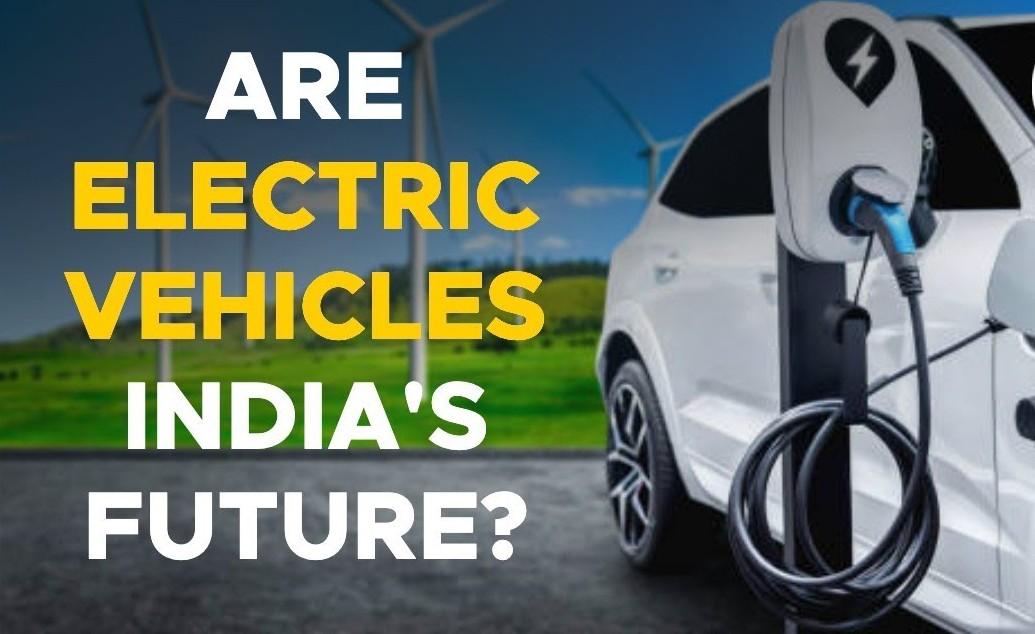
India’s electric vehicle market is heating up, and foreign automakers are lining up to plug in. From Tesla’s high-profile entry to VinFast’s aggressive expansion and Leapmotor’s strategic partnerships, global EV firms are eyeing India’s massive consumer base and ambitious green targets. But the road ahead is anything but smooth. High import duties, infrastructure gaps, and fierce domestic competition pose formidable challenges. Can foreign EV players truly thrive in this complex landscape?
Key highlights from the current market dynamics
1. India aims for 30 percent EV penetration in passenger car sales by 2030, up from just 2.5 percent in 2024
2. Tesla, VinFast, and Leapmotor have entered the market, each with distinct strategies and pricing models
3. Domestic firms like Tata Motors and Mahindra dominate EV sales, backed by local manufacturing and government incentives
4. The government is expanding EV charging infrastructure, targeting 3.9 million stations by 2030
5. Import duties on foreign EVs can reach up to 110 percent, making premium models significantly more expensive
Tesla’s cautious entry
Tesla launched its Model Y SUV in Mumbai in July 2025, with plans to expand to Delhi. However, the vehicle’s starting price of around USD 70,000—nearly double its US price—has raised eyebrows. The steep cost is largely due to India’s import duties, which Elon Musk has publicly criticized. While Tesla is testing the waters, it has ruled out local manufacturing for now, limiting its ability to compete on price.
VinFast’s aggressive expansion
Vietnamese automaker VinFast is taking a different route. It opened showrooms in Surat and Chennai and plans to launch 35 dealerships across 27 cities by year-end. Its SUVs are priced between 1.8 million and 3.5 million rupees, targeting the premium but not ultra-luxury segment. VinFast has also invested in a car assembly plant in Tamil Nadu, with an initial capacity of 50,000 vehicles per year. This facility is expected to serve not just India, but also export markets across South Asia, the Middle East, and Africa.
Leapmotor’s strategic play
Chinese startup Leapmotor is entering India through a partnership with Stellantis, which will assemble its vehicles locally. This approach helps bypass import duties and aligns with India’s push for domestic manufacturing. The government is encouraging such collaborations to build a robust EV ecosystem and reduce reliance on imports.
Challenges facing foreign EV firms
- Price sensitivity: Most Indian car buyers operate within a budget of under 2 million rupees. Premium EVs struggle to gain traction at current price points
- Infrastructure gaps: Despite progress, charging stations remain limited, especially outside major cities
- Regulatory hurdles: Import duties, localization mandates, and investment restrictions—particularly for Chinese firms—complicate market entry
- Road conditions: India’s diverse terrain and traffic patterns require vehicle adaptations that foreign models may not be optimized for
Opportunities and government support
- India’s EV market is projected to become the largest globally by 2030, offering long-term growth potential
- The government is offering incentives for foreign firms to manufacture locally, including reduced tariffs and subsidies
- Tamil Nadu, Karnataka, and Maharashtra are emerging as EV manufacturing hubs, with skilled labor and supply chain networks
- Consumer awareness and demand for sustainable mobility are rising, especially in urban centers
The verdict: adapt or stall
Foreign EV firms can succeed in India—but only if they adapt. Local manufacturing, competitive pricing, and strategic partnerships are essential. VinFast’s Tamil Nadu plant and Leapmotor’s Stellantis tie-up are promising models. Tesla’s premium-only approach may limit its reach unless it introduces a budget-friendly variant or commits to local production.
India’s EV market is not just a growth story—it’s a transformation. For foreign players, thriving here means more than selling cars. It means building trust, infrastructure, and relevance in one of the world’s most complex and promising mobility markets.
Source: The Straits Times, BusinessWorld, NITI Aayog, Financial Express, Economic Times, NDTV, Forbes India