The 2026 Monsoon Session of Parliament will focus on a series of significant economic and administrative reforms, including the Income-Tax (Amendment) Bill and the MSME Development (Amendment) Bill. The government aims to boost sovereign debt markets and streamline business regulations, while also addressing judicial capacity and foreign funding transparency.
Parliament convenes this week for a legislative session featuring key economic reforms, judicial expansion, and tighter foreign funding regulations.
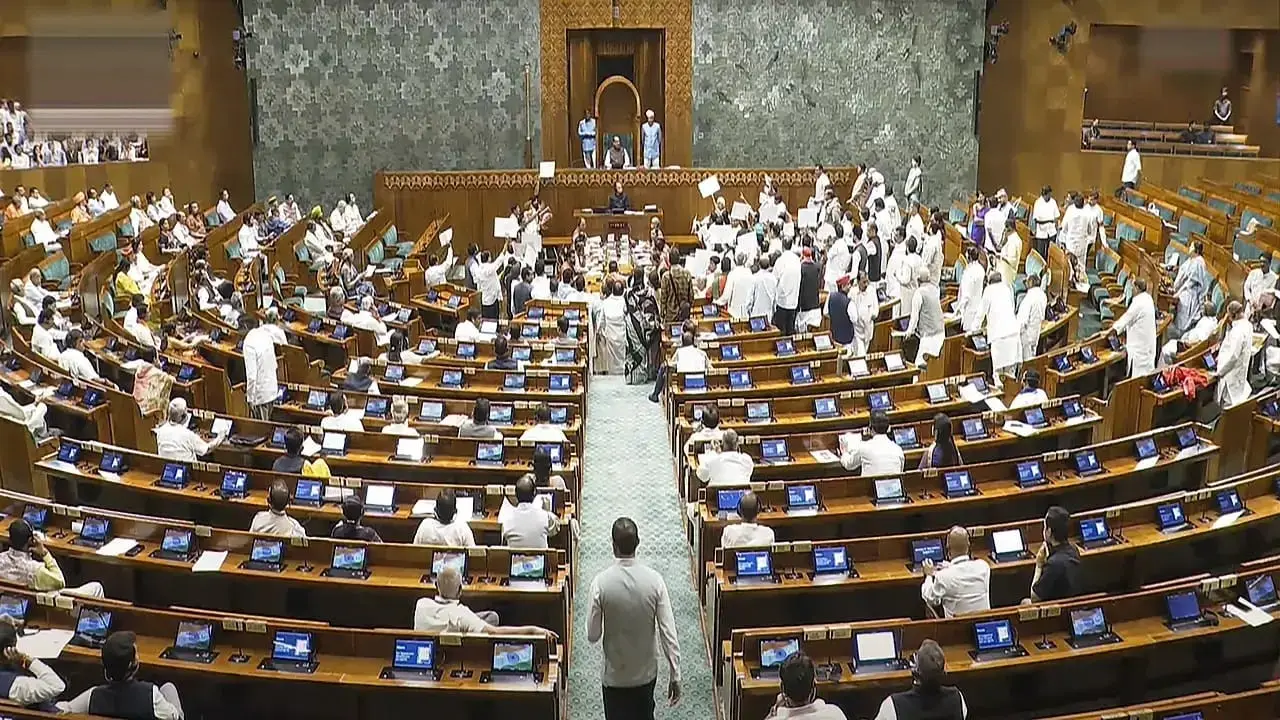
NEW DELHI – The Union government has unveiled a focused legislative agenda for the upcoming Monsoon Session of Parliament, scheduled to run from July 20 to August 13, 2026. With a core emphasis on economic modernization and administrative streamlining, the session is set to introduce five new bills alongside the consideration of high-priority pending legislation.
Economic policy takes center stage, with the government prioritizing the Income-Tax (Amendment) Bill, 2026, and a major reform package for the Micro, Small and Medium Enterprises (MSME) sector. These bills are designed to enhance India’s sovereign debt market and improve the business environment for smaller enterprises, signaling a concerted effort to boost liquidity and capital inflows amid evolving global economic challenges.
Key Legislative Priorities
The government’s agenda includes several significant proposals aimed at structural and institutional improvements:
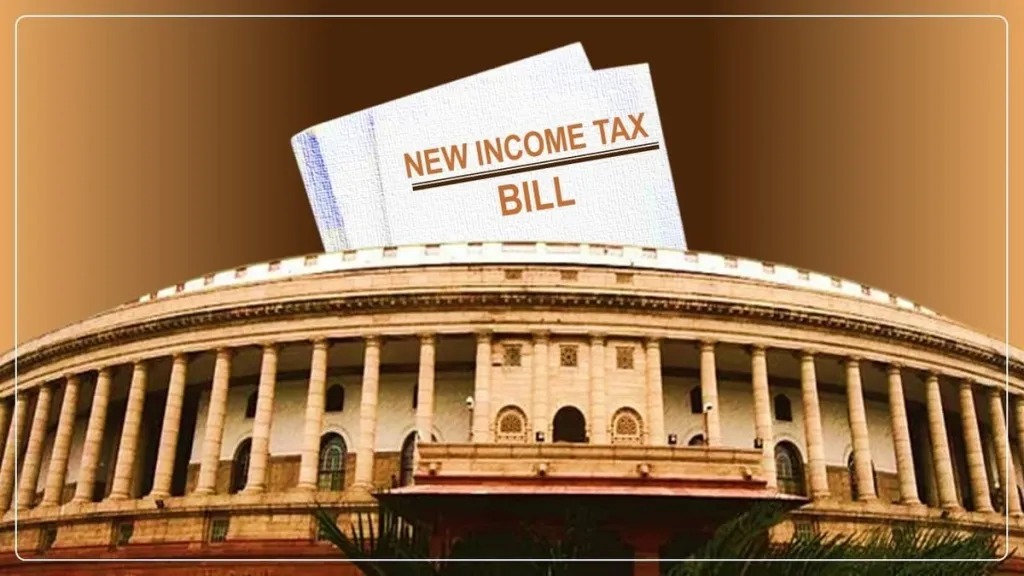
Income-Tax (Amendment) Bill, 2026: This bill seeks to replace an ordinance promulgated on June 5, 2026, which provides tax relief to foreign portfolio investors (FPIs). By exempting certain capital gains and interest income from investments in government securities, the government aims to deepen India’s sovereign debt market and attract stable global capital.
MSME Development (Amendment) Bill, 2026: This legislation aims to modernize the existing MSME framework. Key provisions include providing statutory backing to the Udyam registration portal, creating a national digital platform, and implementing a trust-based regulatory system to improve the ease of doing business. The bill also addresses critical issues like delayed payments and proposes enhanced dispute resolution mechanisms.
Foreign Contribution (Regulation) Amendment Bill, 2026: Originally introduced during the Budget Session, this contentious bill remains a priority. It seeks to tighten the regulation of foreign funding for NGOs, proposing a structured authority to manage assets if an organization’s FCRA registration is revoked or lapses.
Supreme Court (Number of Judges) Amendment Bill, 2026: This bill proposes increasing the sanctioned strength of Supreme Court judges from 33 to 37 (excluding the Chief Justice) to accelerate the disposal of pending cases.
Prevention of Insults to National Honour (Amendment) Bill, 2026: This bill seeks to make the intentional disruption or insult during the singing of the national song, Vande Mataram, a punishable offense.
Focus on Governance and Administration
In addition to economic reforms, the session will address administrative measures, including a bill to make the registration of births and deaths more stringent. Notably, the much-discussed "delimitation package"—which includes the women's reservation proposal—is currently absent from the circulated agenda, according to parliamentary sources.
Parliamentary Affairs Minister Kiren Rijiju has appealed for cooperation from all political parties to ensure the smooth functioning of the House. During a recent meeting with floor leaders, Rijiju emphasized that the government is open to robust debates and encourages constructive participation from both the treasury and opposition benches to ensure the country benefits from efficient legislative proceedings.
Key Facts at a Glance
Session Dates: July 20 to August 13, 2026.
Core Economic Focus: Amendments to the Income-Tax Act to bolster sovereign debt markets and reforms to the MSME Development Act to streamline operations for small businesses.
Judicial Expansion: A proposal to increase the Supreme Court’s judge count from 33 to 37.
Regulatory Oversight: Continued legislative push for the FCRA Amendment Bill to enhance transparency in foreign contributions.
FAQ
What is the main objective of the Income-Tax (Amendment) Bill, 2026? It aims to attract global capital and increase market liquidity by providing tax exemptions to foreign portfolio investors on government securities.
How does the MSME Amendment Bill improve ease of doing business? It proposes a national digital platform, provides statutory status to Udyam registration, and simplifies dispute resolution mechanisms.
Is the Delimitation Bill on the agenda? No, the current legislative agenda does not include the delimitation package or related constitutional amendments regarding women's reservation.
Source: