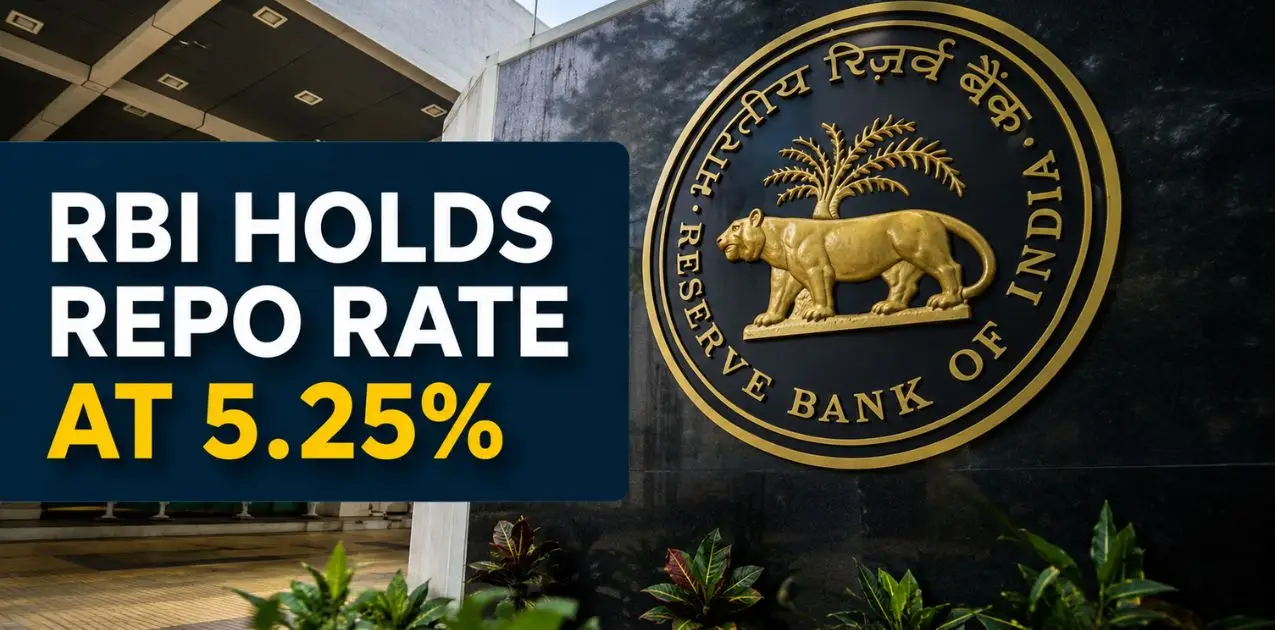
India’s benchmark 10-year government bond yield fell to 6.7821 percent on August 5, 2026, dropping 3.31 basis points from its previous close of 6.8152 percent. The decline marks the lowest yield level since July 28, driven by easing crude oil prices and steady monetary policy expectations.
MUMBAI — Yields on India’s benchmark 10-year government security (G-Sec) eased to 6.7821 percent in morning trading today, August 5, 2026, dropping 3.31 basis points from its previous close of 6.8152 percent. According to financial trading desk disclosures, the yield on the primary sovereign bond (ISIN: IN069436G=CC) touched its lowest level since July 28 on the Reserve Bank of India NDS-OM platform. The price appreciation across fixed-income securities comes as moderating global crude oil prices reduce domestic inflation expectations, while traders position portfolios ahead of the upcoming Reserve Bank of India Monetary Policy Committee meeting.
Crude Oil Price Moderation Anchors Sovereign Paper Demand
The slide in benchmark G-Sec yields was primarily driven by lower international benchmark energy prices. Brent crude futures traded down near recent lows, easing import cost pressure for India, which imports more than 85 percent of its crude oil requirements. Lower energy import overhead mitigates consumer price index volatility, preserving real returns on fixed-income instruments and encouraging institutional buying across secondary debt markets.
Bond prices move inversely to yields; as a result, the reduction in the benchmark yield to 6.7821 percent marks an increase in capital values for sovereign paper held by commercial banks, insurance corporations, and debt mutual funds. Shorter and longer maturity sovereign yields mirrored the easing trajectory, reflecting improved liquidity conditions across domestic banking channels.
Monetary Policy Anticipation and Global Index Inclusion Context
Market sentiment across debt trading desks remains cautious as investors await policy rate guidance from the Reserve Bank of India. Institutional market participants widely anticipate the central bank will keep its key repo rate unchanged to balance domestic growth targets against global macroeconomic shifts.
Fixed-income strategists noted that while overseas sales were briefly observed following Bloomberg Index Services' decision to defer India's inclusion in its flagship Global Aggregate Index, steady domestic liquidity and consistent foreign inflows under the Fully Accessible Route (FAR) continue to anchor long-term government borrowing costs. The sustained foreign interest has helped offset near-term index inclusion delays, stabilizing long-term debt pricing.
Economic Impact on Capital Markets and Borrowers
Sovereign bond yields act as the foundational benchmark for interest rate pricing across private debt markets and commercial lending institutions. The decline in the 10-year G-Sec yield yields practical implications:
Corporate Debt Markets: Easing benchmark yields reduce coupon pricing for corporate bond issuances, enabling private enterprises to access capital at lower borrowing costs.
Banking Sector Balance Sheets: Commercial banks holding portfolios of government securities generate mark-to-market treasury gains as bond prices appreciate.
Retail Deposit Trajectory: Sustained yield moderation influences commercial bank deposit rates and corporate fixed-income product yields available to retail depositors.
Official Sources Section
Bond trade execution data, closing yield metrics, and settlement volumes cited in this report are sourced directly from regulatory filings, primary market data streams, and trade notification logs released by the Reserve Bank of India and the Clearing Corporation of India Limited.
Quote Section
"According to officials at primary dealer trading desks in Mumbai, 'The yield easing toward 6.78 percent reflects stabilizing global crude oil fundamentals and market anticipation of a steady interest rate stance from the central bank during its upcoming policy review.'"
Why It Matters
Movement in the benchmark 10-year G-Sec yield directly impacts sovereign borrowing efficiency, capital expenditure financing, and broader lending rates. Lower debt yields support cost-effective public borrowing while maintaining lower capital costs for industrial expansion.
Key Facts at a Glance
Current Benchmark Yield: 10-year G-Sec yield (IN069436G=CC) dropped to 6.7821 percent.
Previous Close: 6.8152 percent, marking a decrease of 3.31 basis points.
Multi-Day Benchmark: Lowest yield level recorded since July 28, 2026.
Macro Driver: Easing global crude oil prices reducing inflation risk expectations.
Market Focus: Investors await interest rate guidance from the
Reserve Bank of India
FAQ Section
What is the current yield on India's 10-year benchmark government bond?
The yield on the 10-year benchmark bond (IN069436G=CC) stands at 6.7821 percent as of August 5, 2026.
Why did the 10-year government bond yield fall?
The yield declined due to lower global crude oil prices, stable domestic liquidity, and market expectations of a steady rate stance by the central bank.
Where can investors verify official government bond yield data?
Official G-Sec yield figures and settlement statistics are published directly by the Reserve Bank of India and the Clearing Corporation of India Limited.
Source: Reserve Bank of India, Clearing Corporation of India Limited