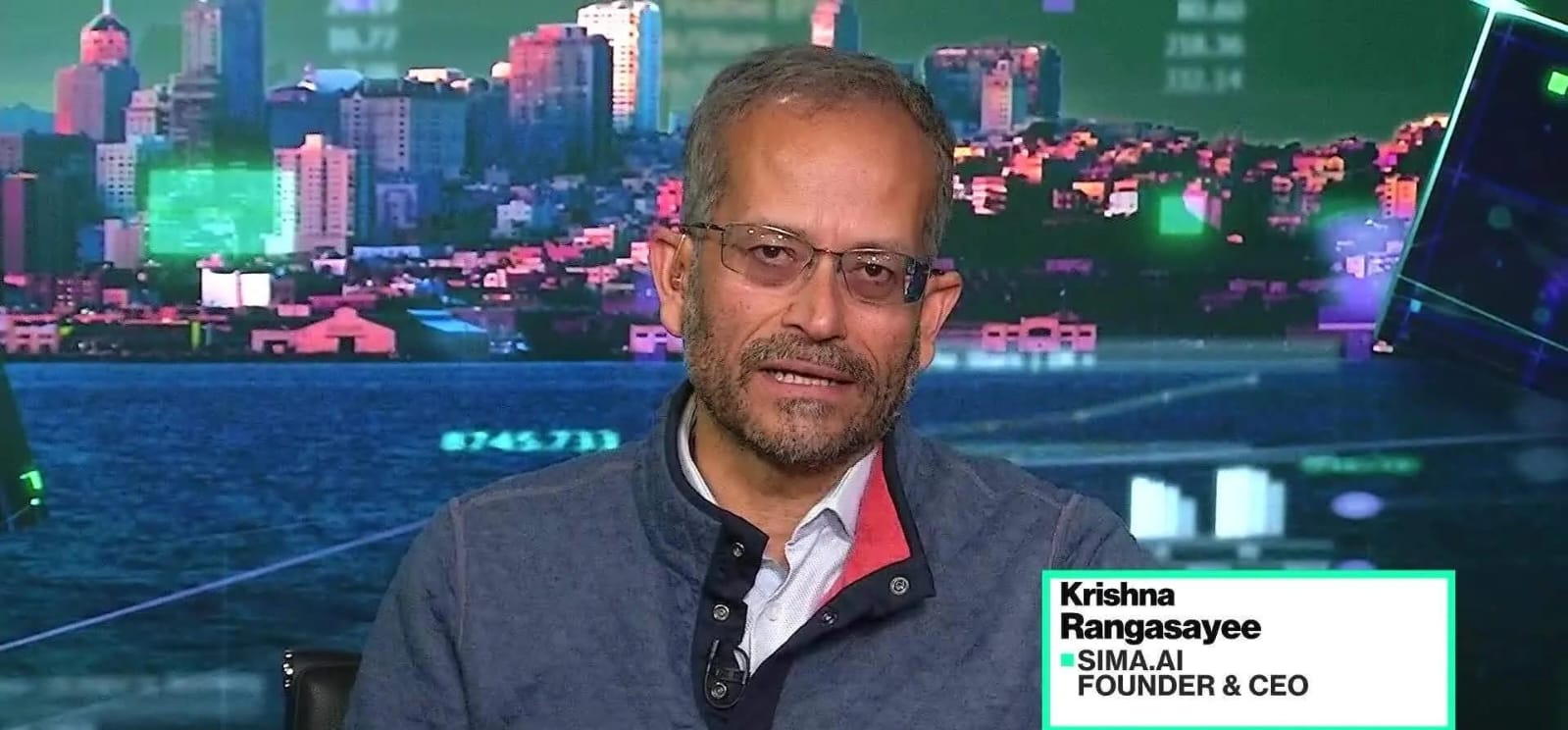
India's push to build a globally dominant semiconductor industry will require decades of patient capital and structural development beyond simple fabrication plants, according to SiMa.ai CEO Krishna Rangasayee. Speaking at the ET World Leaders Forum, he highlighted supply chain depth and venture funding hurdles as key challenges.
NEW DELHI — India’s strategic push to establish a domestic semiconductor manufacturing hub is a vital national objective, but realizing a self-sustaining ecosystem will likely require decades of patient capital and supply chain maturation. Speaking at The Economic Times World Leaders Forum in New Delhi, SiMa.ai Founder and Chief Executive Officer Krishna Rangasayee emphasized that establishing state-of-the-art fabrication plants represents only the initial phase of a highly complex, multi-decade technological evolution. The commentary arrives as India ramps up financial incentives and policy backing to attract global semiconductor foundries and design firms.
Ecosystem Complexity Beyond Fabrication Facilities
According to statements made during the ETtech interview, Rangasayee noted that historical precedents in established semiconductor powerhouses like Taiwan and the United States demonstrate that building a globally resilient chip industry takes roughly 40 years. While sovereign initiatives and financial outlays are successfully accelerating factory groundbreakings, a truly competitive ecosystem demands deep ancillary support systems.
These necessary components include domestic chemical supply chains, specialized packaging and testing facilities, advanced design software talent, and a mature local customer base capable of consuming high volumes of cutting-edge silicon. Without these interconnected layers, raw fabrication capacity alone cannot guarantee long-term global market competitiveness.
Deeptech Funding Realities and Venture Capital Constraints
Rangasayee highlighted venture capital hesitancy as an ongoing hurdle for hardware and deeptech innovation within the region. Unlike software-as-a-service or consumer internet applications that scale with minimal upfront capital, semiconductor and edge-AI hardware development requires heavy upfront expenditures paired with extended gestation periods.
The executive pointed out that traditional regional venture ecosystems remain unaccustomed to the prolonged return timelines characteristic of silicon engineering. Bridging this gap requires specialized risk-tolerant capital pools and closer alignment between institutional investors and government-backed deeptech funds.
Official Sources Section
Information regarding the semiconductor industry analysis, timelines, and venture investment constraints is based on official remarks and executive insights shared by SiMa.ai Founder and CEO Krishna Rangasayee during The Economic Times World Leaders Forum coverage published by ETtech.
Quote Section
"I have no doubt that India's sovereign need to build semiconductors domestically is going to become a reality. It's a matter of time… but I think it's going to take a little longer than people are expecting and building for," Rangasayee stated during the leadership forum.
Why It Matters
For domestic policy planners, industry investors, and emerging tech enterprises, the realistic assessment recalibrates expectations surrounding India's semiconductor roadmap. Recognizing that chip maturity spans generations ensures that industrial policy remains resilient, emphasizing continuous talent development, supply chain localization, and patient funding structures over short-term milestones.
Key Facts at a Glance
Timeline Projections: Building a globally competitive semiconductor ecosystem could take decades, mirroring historical 40-year maturation cycles in the US and Taiwan.
Beyond Fabs: Manufacturing facilities must be supported by local supply chains, testing infrastructure, and packaging ecosystems.
Venture Capital Gap: Deeptech silicon ventures face friction due to high upfront costs and long gestation periods that challenge traditional venture models.
Sovereign Priority: Domestic chip manufacturing remains an essential long-term national security and economic objective.
FAQ Section
Why did SiMa.ai CEO Krishna Rangasayee state that India's chip ambitions will take decades?
Building a competitive semiconductor industry involves complex supply chains, specialized material sourcing, packaging ecosystems, and advanced design talent that historically take generations to fully develop.
What are the primary bottlenecks for deeptech startups in India?
Startups face a scarcity of patient capital willing to sustain high upfront hardware research and development costs over prolonged commercialization windows.
Are semiconductor fabrication plants enough to secure market leadership?
No. Fabs represent only one part of the equation; a self-sustaining ecosystem requires local packaging, testing, chemical supplies, and domestic customer demand.
What role does sovereign policy play in this sector?
Government incentives provide essential initial momentum and capital backing, laying the groundwork for private sector participation over the long term.
Source: The Economic Times, ETtech, SiMa.ai