Fervent celebrations gripped temples across India as millions observed Krishna Janmashtami with day-long fasts, midnight prayers, and traditional rituals. Major shrines in Mathura, Vrindavan, and metropolitan centers drew massive crowds, setting the stage for vibrant Dahi Handi human pyramid events.
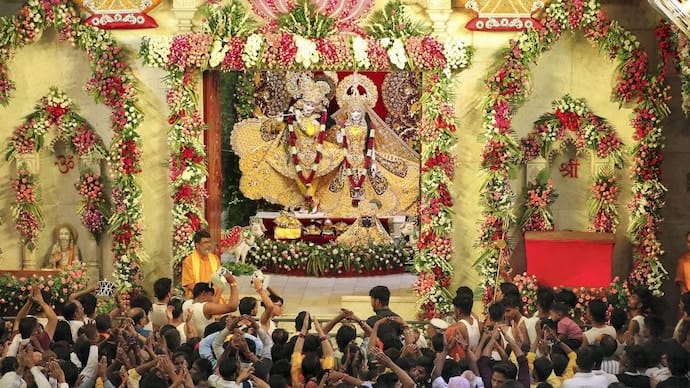
NEW DELHI — Vibrant celebrations swept through major temples and spiritual centers across India on Friday as millions of devotees marked Krishna Janmashtami, commemorating the birth of Lord Krishna. From the historic shrines of Mathura and Vrindavan to bustling metropolitan hubs in Mumbai, New Delhi, and Bengaluru, temples witnessed massive gatherings participating in day-long fasts, devotional singing, and traditional midnight worship. The annual festival, observing the eighth incarnation of Lord Vishnu, holds deep cultural and religious significance, drawing communities together in collective devotion despite localized variations in the midnight puja calendar windows.
Nationwide Temple Celebrations and Midnight Rituals
According to temple trusts and panchang calculations, the core religious observance centered around the sacred Nishita Kaal (midnight hour). In Uttar Pradesh, the birthplace towns of Mathura and Vrindavan became focal points for pilgrims, where prominent shrines such as the Shri Krishna Janmabhoomi and Banke Bihari temples hosted elaborate abhishek (ceremonial bathing) rituals. Deity idols of infant Krishna (Laddu Gopal) were bathed in milk, curd, honey, and ghee before being placed in decorated cradles amidst the ringing of bells and conch shell blasts.
Metropolitan centers also observed high turnout rates. In New Delhi, Mumbai, and Chennai, security and crowd management protocols were reinforced by local municipal authorities and temple organizers to handle the surge of visitors. Devotees maintained strict day-long fasts, breaking them only after the midnight rituals or following sunrise conventions, depending on traditional family practices.
Cultural Significance and the Transition to Dahi Handi
The spiritual fervor extended beyond temple walls into neighborhood community centers, where cultural programs re-enacted episodes from Krishna's early life through Ras Lila performances and devotional hymns. The festivities are structured to bridge two distinct days of traditional observance, setting the stage for nationwide Dahi Handi events.
In states like Maharashtra and Gujarat, youth organizations finalized preparations for the human pyramid formations to shatter suspended curds-filled pots, a custom scheduled for Saturday that symbolizes the playful nature of the deity. Local administrative bodies coordinated closely with organizers to ensure safety measures at major Dahi Handi staging grounds.
Official Sources Section
Information regarding festival scheduling, auspicious puja timings, and regional celebration guidelines is compiled from announcements by traditional Panchang calculations, temple administrative boards including the Dwarkadhish Temple Trust and Banke Bihari management, alongside cultural updates from tourism and municipal authorities across major metropolitan districts.
Quote Section
"According to temple organizers and regional calendar committees, the alignment of the Ashtami Tithi and Rohini Nakshatra has drawn exceptionally large congregations to primary pilgrimage sites, requiring synchronized security and crowd management deployments."
Why It Matters
Krishna Janmashtami serves as a major cultural anchor uniting millions across diverse socio-economic backgrounds. Beyond its spiritual dimension, the festival drives substantial localized economic activity, boosting religious tourism, hospitality bookings, and the sale of traditional sweets, flowers, and ritual artifacts across urban and rural markets alike.
Key Facts at a Glance
Festival Timing: Main rituals and fasts were observed on Friday, September 4, 2026, with midnight puja stretching into the early hours.
Core Traditions: Celebrations feature midnight abhishek, devotional bhajans, and the ceremonial rocking of infant Krishna cradles.
Pilgrimage Centers: Epicenters like Mathura, Vrindavan, and Dwarka witnessed peak visitor numbers.
Upcoming Events: Celebrations seamlessly transition into Dahi Handi human pyramid events scheduled for the following day.
FAQ Section
When was Krishna Janmashtami observed this year?
The main festival was observed on Friday, September 4, 2026, with midnight worship windows extending into the early hours of September 5 depending on local city time calculations.
Why do temple celebration dates sometimes vary slightly?
Variations occur due to regional calculations of the lunar calendar, specific tithi overlaps, and individual temple traditions—such as select ISKCON branches scheduling major events on alternative calendar alignments.
What is the significance of the midnight puja?
The midnight hour, or Nishita Kaal, marks the traditional astrological time of Lord Krishna's birth in prison at Mathura, making it the most sacred window for worship and breaking daily fasts.
When does the Dahi Handi celebration take place?
Dahi Handi takes place on the day immediately following Janmashtami—Saturday, September 5, 2026—featuring community-based human pyramids to break suspended pots.
Source: Drik Panchang, Hindustan Times, Times of India, India Today