India and the European Union are on the cusp of concluding a landmark free trade agreement after years of negotiations. With approximately five months and ten crucial meetings scheduled before the anticipated summit in early 2026, this deal promises to reshape economic ties between two of the wor...
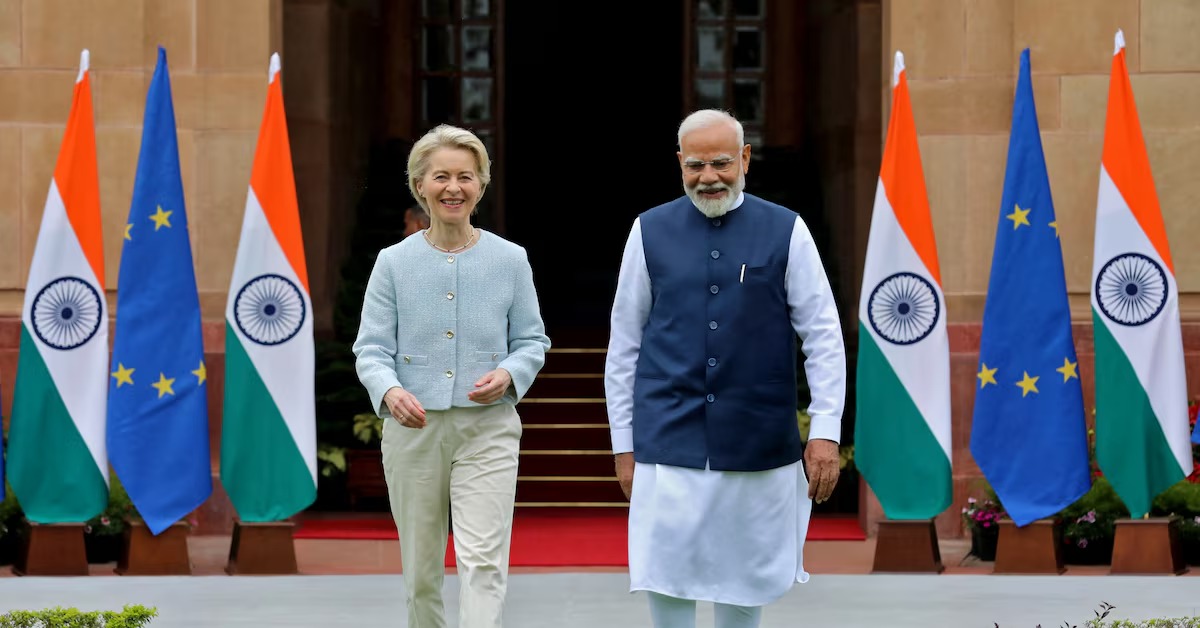
India and the European Union are on the cusp of concluding a landmark free trade agreement after years of negotiations. With approximately five months and ten crucial meetings scheduled before the anticipated summit in early 2026, this deal promises to reshape economic ties between two of the world’s largest markets. As stakeholders prepare for the final stretch, the coming months offer a window into the complexities and ambitions driving this high-stakes negotiation.
Key Takeaways From The Trade Negotiation Progress
The revival of the India-EU trade talks in 2021 broke an eight-year pause, leading to gradual but meaningful progress. Eleven chapters covering various technical and commercial issues have been finalized, yet the most challenging topics remain. Intense rounds slated from September to October 2025 will aim to resolve thorny aspects such as market access, rules of origin, and non-tariff barriers.
EU’s top trade officials including the Trade Commissioner and Agriculture Commissioner are expected in New Delhi for direct engagements. These meetings are anticipated to accelerate momentum, tackling concerns around tariffs, customs procedures, and public procurement.
The resumption carries added urgency due to recent geopolitical and trade developments, including U.S. tariff moves affecting Indian exporters and EU’s scrutiny of India’s crude oil imports. This backdrop heightens the diplomatic sensitivity of the agreement, making balanced negotiations essential.
Core Issues on the Negotiation Table
Market access remains a key sticking point. India seeks easier entry for pharmaceuticals, textiles, steel, and petroleum products into EU markets, while the EU demands tariff relaxations for vehicles, dairy, wine, and medical devices within India. Finding a mutually agreeable compromise is vital to unlock the deal.
Another significant negotiation point involves rules of origin, which determine how products qualify for tariff benefits under the FTA. Both sides want transparent, fair criteria that support their domestic industries without causing trade distortions.
Non-tariff barriers—such as divergent standards, certifications, and regulatory procedures—are being streamlined to facilitate smoother trade flows. Discussions on government procurement rules aim to ensure fair competition for businesses on both sides in public contracting.
Balancing tariff reductions with safeguards for sensitive sectors is another complex challenge. India, in particular, is cautious about opening its agricultural markets, given the political and social ramifications.
The Role of Ten Key Meetings Leading to the Summit
The scheduled ten meetings, spread over five months, will cover technical working groups, ministerial dialogues, and joint strategic planning. These are crucial to performing detailed fine-tuning on negotiation texts and addressing emerging roadblocks.
Important high-level encounters will include participation by India’s Commerce and External Affairs ministers alongside EU representatives in forums such as the India-EU Trade and Technology Council. These meetings help translate political will into concrete outcomes.
By incrementally resolving contentious issues, each meeting aims to build consensus and prepare the ground for a comprehensive agreement announcement at the forthcoming summit. They also provide platforms for coordinating cooperation beyond trade, including security, climate action, and technology partnerships.
Implications for India-EU Relations and Beyond
Currently, India and the EU are significant trade partners, with bilateral trade valued at over 137 billion USD in 2023-24. A finalized FTA promises substantial benefits, including tariff elimination, improved market access, and enhanced investment flows, fueling economic growth and job creation.
The pact will also help diversify supply chains and cushion the impact of global trade uncertainties by anchoring a robust partnership rooted in shared values like sustainability, transparency, and innovation.
Strategic cooperation stands to deepen, covering areas like defense, cyber security, clean energy, and emerging technologies. The deal will symbolize a broadening of India-EU relations from a primarily economic focus to a holistic partnership addressing global challenges.
Looking Ahead: What To Expect in the Coming Months
-
Careful resolution of tariff schedules ensuring balanced openings without compromising domestic industries.
-
Harmonization of technical standards and regulatory frameworks to reduce trade friction.
-
Political leadership sustaining momentum and managing stakeholder expectations amid complex negotiations.
-
Finalization and public announcement of a joint strategic agenda linking trade with technology, environment, and security cooperation.
-
Preparations for an India-hosted summit early next year where the deal is expected to be formally signed and launched.
-
Strengthened multilateralism and rules-based trade reflected in the agreement’s terms and supplementary commitments.
In conclusion, the coming months and the ten planned meetings represent a critical phase in the India-EU trade deal process. This period will test the capacity of both sides to negotiate pragmatically while advancing a transformative economic and strategic partnership. Success here has the potential to influence global trade patterns and foster unprecedented collaboration between India and Europe.
Sources: Indian Express, India Today, Hindustan Times, Reuters, Economic Times, Business Standard