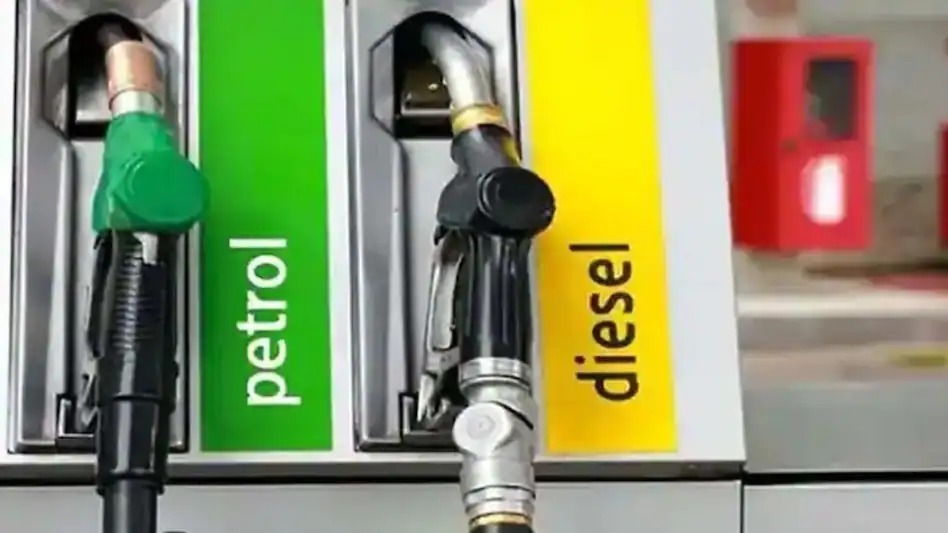
State fuel retailers maintained static petrol and diesel prices across New Delhi, Mumbai, Chennai, and Hyderabad on August 18, 2026. The price freeze offers vital short-term relief to consumers and commercial transport sectors amid ongoing global crude oil market volatility driven by international geopolitical tensions.
Fuel consumers across India woke to steady baseline rates as state-owned oil marketing companies (OMCs) kept petrol and diesel prices unchanged in major urban centers on August 18, 2026. Across metropolitan areas including New Delhi, Mumbai, Chennai, and Hyderabad, retail pump rates held firm even as international crude oil futures reacted to geopolitical tensions in the Middle East. This price stabilization provides short-term fiscal relief to commuters, commercial transport operators, and logistics businesses navigating persistent energy cost pressures.
Metropolitan Fuel Price Breakdown
Daily pricing schedules published by state fuel retailers outline distinct regional variations driven by local value-added taxes (VAT) and freight charges. In the national capital, New Delhi, petrol remains priced at ₹102.12 per litre, while diesel retails at ₹95.20 per litre.
In India's financial capital, Mumbai, petrol continues to hover above the ₹110 threshold at ₹111.21 per litre, with diesel retailing at ₹97.83 per litre. Down south in Chennai, consumers purchase petrol at ₹107.76 per litre and diesel at ₹99.55 per litre. Meanwhile, Hyderabad registers some of the highest metropolitan figures, with petrol selling at ₹115.69 per litre and diesel standing at ₹103.82 per litre.
| City | Petrol Price (₹/Litre) | Diesel Price (₹/Litre) |
| New Delhi | ₹102.12 | ₹95.20 |
| Mumbai | ₹111.21 | ₹97.83 |
| Chennai | ₹107.76 | ₹99.55 |
| Hyderabad | ₹115.69 | ₹103.82 |
Global Crude Context and Market Dynamics
The decision by public sector undertakings—such as Indian Oil Corporation, Bharat Petroleum, and Hindustan Petroleum—to hold rates steady comes amidst shifting international oil markets. Global benchmark Brent crude futures recently climbed above $91 per barrel, propelled by stalled geopolitical negotiations and concerns regarding maritime shipping lanes in the Strait of Hormuz. Energy analysts note that domestic retail pricing has been buffered by state-owned retailers absorbing intermediate volatility, preventing immediate transmission of international crude spikes to end consumers.
Impact on Citizens, Businesses, and Transport
The stabilization of petrol and diesel prices directly impacts everyday household budgets, public transit economics, and inflation trajectories. Logistics firms and freight transporters, who depend heavily on diesel to move goods across interstate corridors, benefit from predictable operational overheads during periods of global supply uncertainty. However, persistent high price floors in cities like Hyderabad and Mumbai continue to exert cost pressures on urban commuters and private vehicle owners.
Official Sources Section
Pricing data and market assessments are compiled according to daily price notifications issued by state-owned fuel retailers and market monitoring reports from the Ministry of Petroleum and Natural Gas. International commodity trends are cross-referenced with global energy trade data desks.
"Organizers stated that retail fuel pricing structures remain continuously evaluated against a 15-day rolling average of international crude oil benchmarks and foreign exchange rates, balancing consumer interests with retailer margins."
Why It Matters
Transparent daily tracking of retail fuel rates allows citizens, commercial enterprises, and investors to accurately forecast operational expenditures. Maintaining stable domestic pricing cushions the broader economy from sudden inflationary shocks, ensuring that manufacturing, agricultural supply chains, and commuter expenses do not experience erratic fluctuations driven solely by short-term geopolitical headlines.
Key Facts at a Glance
Static Baseline: Retail rates for petrol and diesel remained unchanged in key metros like New Delhi and Mumbai at the start of the trading week.
Metropolitan Variations: Delhi records petrol at ₹102.12 per litre, Mumbai at ₹111.21 per litre, Chennai at ₹107.76 per litre, and Hyderabad at ₹115.69 per litre.
Global Influences: International Brent crude futures trade near $91 per barrel amid ongoing supply route concerns in West Asia.
Pricing Mechanism: Rates are administered daily by state-owned oil marketing companies based on trailing global benchmarks and local tax structures.
Frequently Asked Questions (FAQ)
Why do fuel prices vary across different Indian cities?
Retail fuel prices differ due to varying state-level local taxes, Value Added Taxes (VAT), freight charges, and local municipal levies imposed by individual state governments.
How are petrol and diesel prices determined in India?
Prices are managed by state-owned Oil Marketing Companies (OMCs) using a dynamic pricing mechanism that factors in international crude oil prices, rupee-dollar exchange rates, refining costs, and central and state taxes.
Where can consumers check real-time fuel rates?
Consumers can verify updated daily rates directly through mobile applications or SMS services provided by Indian Oil Corporation, Bharat Petroleum, and Hindustan Petroleum.
Have fuel prices experienced recent national revisions?
State retailers have largely maintained baseline domestic retail caps steady, absorbing minor international market fluctuations through coordinated pricing policies.
Source: Ministry of Petroleum and Natural Gas, Indian Oil Corporation, Bharat Petroleum, Hindustan Petroleum