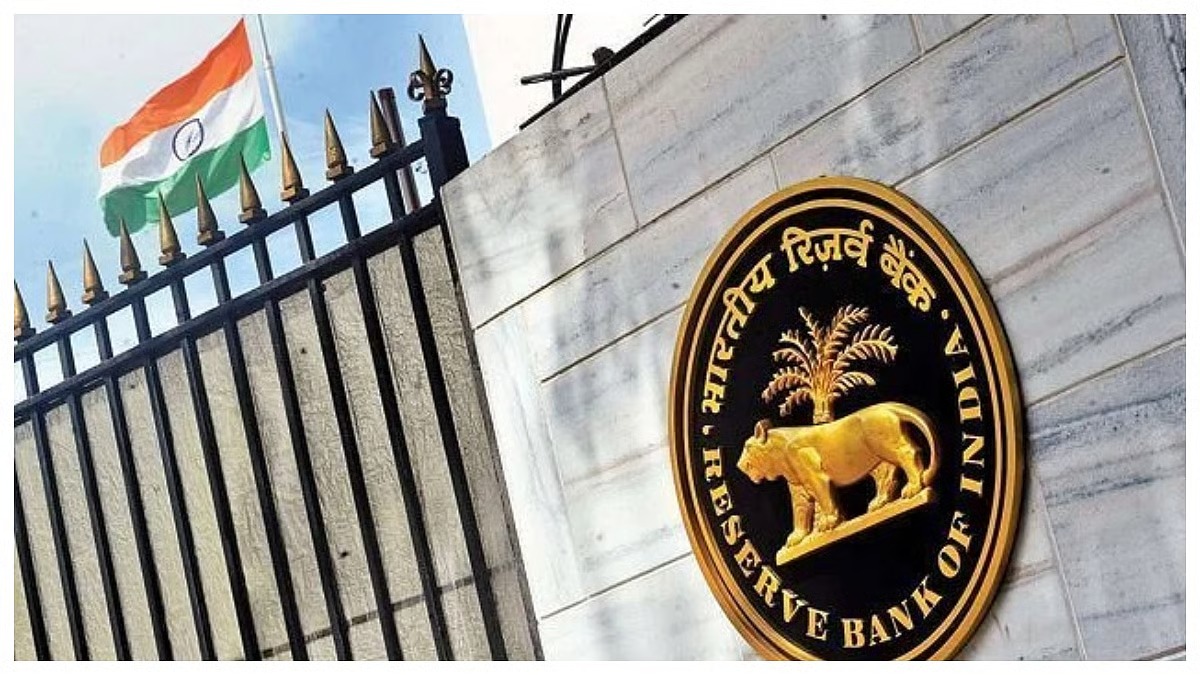
The Reserve Bank of India announced an overnight Variable Rate Reverse Repo auction under the Liquidity Adjustment Facility to absorb surplus liquidity from commercial banks. This targeted intervention ensures short-term money market rates remain closely aligned with established monetary policy objectives, maintaining overall financial sector stability.
In an ongoing effort to manage prevailing monetary conditions, the Reserve Bank of India announced that it will conduct an overnight variable rate reverse repo (VRRR) auction under the Liquidity Adjustment Facility (LAF). The central bank initiated this program to mop up excess liquidity from commercial banks, ensuring short-term interest rates remain aligned with the official policy repo rate. This regulatory intervention is critical for maintaining financial stability and anchoring money market rates amidst fluctuating cash flows within the domestic banking sector.
Managing Systemic Liquidity and Cash Flows
The decision to execute a variable rate reverse repo auction follows comprehensive reviews of current and evolving liquidity conditions by the central bank's monetary management cell. Commercial banks often experience periodic surges in deposit inflows, leading to surplus funds parked within the banking architecture. By deploying the overnight VRRR auction tool, the Reserve Bank of India provides institutional participants an avenue to deploy excess capital securely while preventing unintended downward pressure on overnight interbank rates.
Market analysts note that regular fine-tuning operations help the monetary authority retain a tight grip on short-term rates, balancing systemic liquidity without inducing sudden credit crunches across corporate and retail lending portfolios.
Operational Parameters and Structural Framework
According to regulatory notices issued by the central bank, the overnight operation is conducted under standard operational guidelines established for liquidity management framework adjustments. Participating commercial banks and primary dealers submit bids during a designated intraday window, specifying the amounts they wish to park with the apex institution at competitive variable rates.
The mechanism allows the Reserve Bank of India to determine the cut-off rate based on market demand, ensuring that liquidity absorption occurs efficiently and transparently. Funds successfully absorbed during the overnight tenor are subsequently reversed on the designated settlement date, restoring baseline liquidity to participating institutions.
Impact on Financial Markets, Investors, and Borrowers
For institutional investors, corporate treasuries, and commercial banks, these regular liquidity operations serve as a key indicator of the central bank's short-term stance. While the overarching repo rate remains anchored at 5.25%, frequent VRRR interventions signal proactive management of surplus cash.
For ordinary bank customers and corporate borrowers, these fine-tuning operations ensure that retail lending rates remain steady, preventing erratic volatility in short-term borrowing costs and supporting orderly transmission of monetary policy directives across the broader economy.
Official Sources Section
Operational guidelines, auction timings, and liquidity review parameters are administered according to official announcements and regulatory circulars published by the Reserve Bank of India.
"Organizers stated that the liquidity management operations are executed dynamically in response to prevailing financial conditions to ensure seamless monetary transmission and stability across the domestic money market."
Why It Matters
Effective liquidity management is vital for controlling inflation and maintaining orderly conditions in the financial markets. By utilizing overnight VRRR auctions, the Reserve Bank of India successfully mitigates excess liquidity risks, prevents short-term market rates from slipping below policy targets, and safeguards overall macroeconomic stability for businesses and consumers alike.
Key Facts at a Glance
Auction Instrument: Overnight Variable Rate Reverse Repo (VRRR) auction conducted under the Liquidity Adjustment Facility (LAF).
Regulatory Authority: Managed and supervised by the Reserve Bank of India.
Primary Objective: Absorption of surplus liquidity from commercial banks to keep short-term interest rates aligned with policy targets.
Operational Tenor: Short-term overnight deployment with automatic fund reversal on the subsequent business day.
Frequently Asked Questions (FAQ)
What is a Variable Rate Reverse Repo (VRRR) auction?
A VRRR auction is a monetary policy instrument used by the Reserve Bank of India to absorb excess liquidity from commercial banks on a variable interest rate basis.
Why does the central bank conduct VRRR auctions?
These auctions help mop up surplus cash in the banking system, ensuring that short-term interbank interest rates do not fall below the target policy repo rate.
Who is eligible to participate in these auctions?
Eligible participants typically include scheduled commercial banks and primary dealers operating within the Indian domestic banking network.
How does this affect everyday bank customers?
While the operation targets institutional liquidity, it indirectly helps stabilize the broader financial system, keeping inflation under check and lending rates orderly.
Source: Reserve Bank of India