




Loading market data...
ADVERTISEMENT

Latest Top News
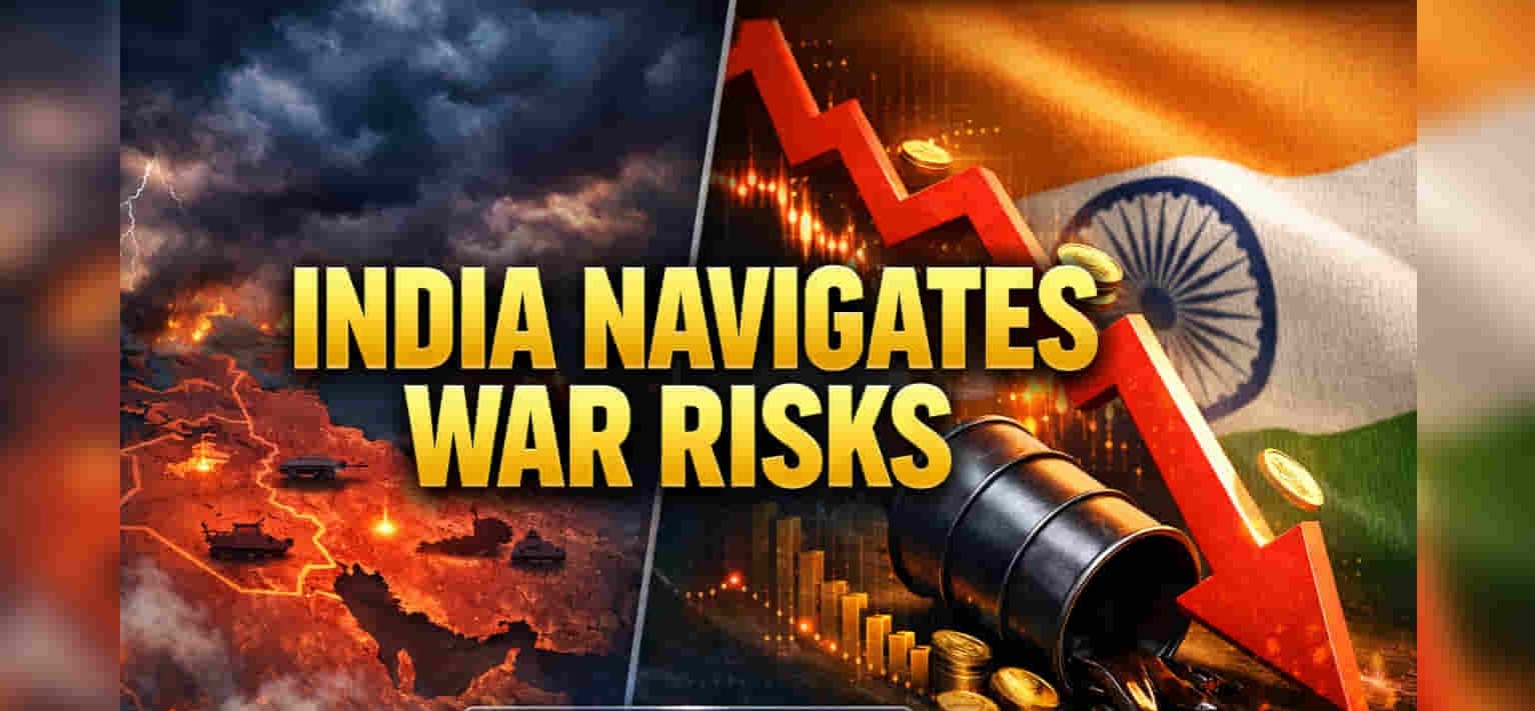
India Highlights Growth Risks As Middle East Conflict Pushes Energy Costs Higher
India’s Finance Ministry has warned that rising energy costs and supply disruptions from the Middle East conflict could weigh on growth prospects. The government’s latest economic review highlights risks to its 7.0–7.4% GDP forecast, with inflationary pressures and current account challenges adding to concerns.
Stay Ahead – Explore Now! Advit Jewels IPO Sets Price Band Ahead of June 23 Launch
ADVERTISEMENT

Latest Updates

Instamart Inks Growth: Dhanya Hemanth Raj Named Ma...
15 Jun 2026, 11:52 PM
Sri Lanka 'A' Edge India 'A' in Heated Super Over...
15 Jun 2026, 11:47 PM
Mercedes-Benz India Steers Past Headwinds to Fuel...
15 Jun 2026, 11:45 PM
Sanon’s Andheri Asset Action: Family Bags ₹4.6 Cr...
15 Jun 2026, 11:42 PM
Banking on Trust: RBI Bans Coercive Bundling and A...
15 Jun 2026, 11:39 PMADVERTISEMENT

Top Stories
Instamart Inks Growth: Dhanya Hemanth Raj Named Ma...
15 Jun 2026, 11:52 PM
Sri Lanka 'A' Edge India 'A' in Heated Super Over...
15 Jun 2026, 11:47 PM
Mercedes-Benz India Steers Past Headwinds to Fuel...
15 Jun 2026, 11:45 PM