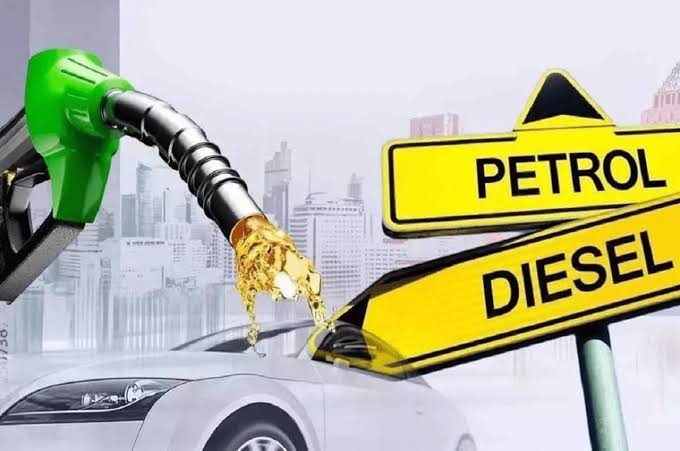
India's total fuel sales climbed 2.9% year-on-year in July 2026 to 19.92 million metric tons, according to official ministry data. Strong momentum in transportation drove diesel sales up 10.0% to 8.09 million tons and petrol sales up 9.2% to 3.82 million tons, offsetting declines in LPG consumption.
NEW DELHI — India’s total fuel consumption grew 2.9% year-on-year in July 2026, reaching 19.92 million metric tons, driven primarily by double-digit expansion in diesel usage and robust motor spirt (petrol) demand. The latest data, released on August 6, 2026, highlights sustained momentum in India's industrial, freight, and agricultural sectors, reinforcing the nation's position as one of the world's fastest-growing energy consumers.
The petroleum report serves as a key barometer for health in South Asia's largest economy, reflecting heightened freight logistics, expanding personal vehicle mobility, and accelerated monsoon-season farming operations across rural states.
Robust Demand for Transportation Fuels
Transport fuel demand experienced substantial expansion during the month. Diesel, which remains the single most consumed petroleum product in India and a primary indicator of economic activity, jumped 10.0% year-on-year to total 8.09 million metric tons in July 2026. Increased heavy transport movement, expanded interstate freight carriage, and diesel-powered irrigation equipment usage contributed to the uptick.
Simultaneously, petrol sales climbed 9.2% compared to the same month last year, hitting 3.82 million metric tons. The steady rise in petrol consumption is attributed to expanding two-wheeler and passenger vehicle ownership, as well as increased summer travel and daily urban commuting.
July 2026 Fuel Consumption Data
Total Fuel Sales: 19.92 million metric tons (+2.9% Y/Y).
Diesel Usage: 8.09 million metric tons (+10.0% Y/Y).
Petrol Usage: 3.82 million metric tons (+9.2% Y/Y).
Liquefied Petroleum Gas (LPG): 2.35 million metric tons (-16.4% Y/Y).
Naphtha: 0.83 million metric tons (-13.8% Y/Y).
Industrial and Domestic Cooking Fuel Dynamics
While transportation fuels performed strongly, industrial and cooking fuels registered notable year-on-year declines. Liquefied petroleum gas (LPG) sales decreased 16.4% year-on-year to 2.35 million metric tons in July 2026. Industry analysts point to accelerated industrial adoption of piped natural gas (PNG) as commercial users transition away from bulk cylinder supplies.
Industrial feedstocks also showed varied trends. Naphtha sales contracted 13.8% to 0.83 million metric tons, reflecting adjusted operating schedules across domestic petrochemical crackers and fertilizer plants. Conversely, aviation turbine fuel (ATF) usage maintained a positive trajectory as domestic passenger air traffic continued to recover toward historical highs.
Impact on Consumers, Refiners, and Investors
The expansion in India fuel sales carries significant implications for state-owned fuel retailers, global crude markets, and retail consumers:
State Marketing Companies: State-run oil marketing corporations benefit from robust retail margins and elevated distribution volumes across nationwide retail outlets.
Refining Sector: Domestic refiners are adjusting crude runs and yield slates to maximize diesel and petrol output to fulfill internal market obligations.
Retail Consumers: Stable retail pump prices across major metro cities have insulated drivers from immediate global oil price volatility, sustaining auto usage.
Investors: Financial markets view steady fuel volume growth as verification of healthy domestic gross domestic product (GDP) performance and commercial activity.
Official Sources Section
Official figures were released by the Petroleum Planning and Analysis Cell (PPAC), the statistical body operating under the Ministry of Petroleum and Natural Gas. Economic and fiscal allocations surrounding energy infrastructure remain coordinated under broader policies supervised by the Ministry of Finance.
Quote Section
According to officials from the oil ministry, "July consumption trends demonstrate durable underlying demand across transport and agricultural networks, with diesel and petrol growth balancing out temporary adjustments in petrochemical and LPG intake."
Why It Matters
Fuel demand patterns provide direct visibility into real-economy performance. Double-digit diesel expansion signals robust movement of raw materials, manufactured goods, and agricultural produce across national highways. For energy markets, India's persistent appetite for refined products remains a primary driver of global oil demand growth.
Key Facts at a Glance
Overall Growth: Total India fuel sales rose 2.9% year-on-year in July 2026 to 19.92 million metric tons.
Diesel Surge: Diesel consumption grew 10.0% to 8.09 million metric tons.
Petrol Rise: Petrol demand expanded 9.2% to 3.82 million metric tons.
LPG Shift: Cooking gas usage contracted 16.4% as commercial users migrated toward piped natural gas.
FAQ Section
What was India's total fuel demand in July 2026?
India's total fuel sales reached 19.92 million metric tons in July 2026, representing a 2.9% increase compared to the same period last year.
Why did diesel consumption increase so significantly in July?
Diesel sales grew 10.0% due to increased commercial trucking, interstate freight transportation, and agricultural irrigation activities during the monsoon season.
Which agency tracks India fuel sales data?
Fuel consumption data is tracked and published monthly by the Petroleum Planning and Analysis Cell (PPAC), a specialized division of India's Ministry of Petroleum and Natural Gas.
Source: Official statistical releases by the Petroleum Planning and Analysis Cell (PPAC). Public fiscal and macroeconomic disclosures monitored via the Ministry of Finance.