As diplomatic talks led by Oman near a breakthrough, Washington and Tehran are exploring an interim arrangement to reopen the vital Strait of Hormuz. While US Treasury officials signal optimism for a swift resolution, critical negotiations continue regarding maritime control, potential sanctions relief, and long-term regional stability.
As high-stakes mediation in Oman reaches a critical juncture, Washington evaluates provisional shipping terms designed to ease global energy market pressures.
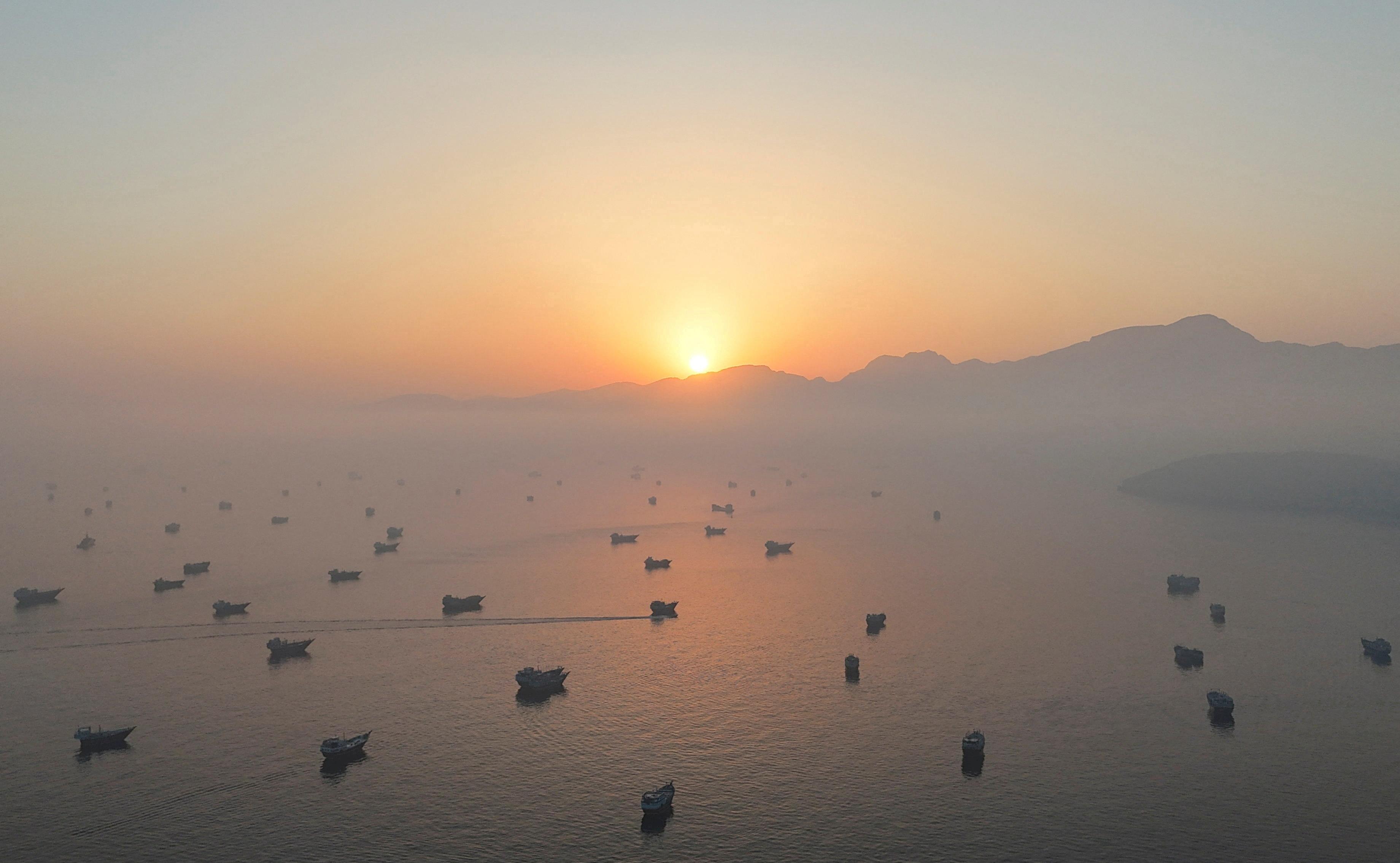
Amid intense diplomatic maneuvering across West Asia, international focus has zeroed in on the Strait of Hormuz, where a mediated agreement between Iran and Oman appears increasingly imminent. Speaking on developments in August 2026, U.S. financial and diplomatic officials signaled that structured arrangements to clear and reopen the world’s most critical energy transit chokepoint could materialize swiftly. The ongoing diplomatic push—facilitated largely through direct bilateral channels in Muscat—aims to defuse a months-long maritime blockade that has severely restricted global petroleum and liquefied natural gas (LNG) flows, exerting upward pressure on international fuel prices.
Deconstructing the Diplomatic Framework and Regional Dynamics
The architecture of the proposed interim agreement centers on establishing secure, coordinated shipping lanes through the narrow waterway. According to regional diplomatic briefings and official statements released in Tehran and Washington, the framework addresses both physical mine-clearing operations and the administrative control of vessel traffic.
Key operational elements under active negotiation include:
Geographic Coordinates and Channels: Iranian Foreign Ministry spokespersons confirmed that technical teams from Iran and Oman have agreed on specific navigational boundaries for inbound and outbound commercial vessels.
Phased Reopening Protocols: Initial phases involve dispatching specialized survey and clearance vessels to ensure the waterway is free of ordnance before standard oil and cargo tankers resume transit.
Sanctions Relief and Naval Adjustments: Proponents of the framework suggest that successful implementation would prompt the United States to lift its naval blockades on targeted Iranian ports and reinstate specific oil export waivers.
Broader Diplomatic Horizons: Mediators hope that securing an operational accord for the strait will pave the way for secondary negotiations covering regional security architecture and nuclear file discussions.
Impact on Global Energy Markets, Consumers, and Investors
The potential reopening of the Strait of Hormuz carries profound practical implications for global energy markets, commercial shipping operators, and macroeconomic stability. Approximately one-fifth of the world’s petroleum supply normally traverses the chokepoint, making its prolonged closure a primary driver of supply chain friction and inflationary energy costs. For energy investors and international cargo carriers, a durable de-escalation agreement translates into reduced freight insurance risk premiums, shorter maritime transit schedules, and downward stabilization of benchmark crude prices. However, complex debates persist regarding whether any provisional accord grants Tehran excessive authority over transit management, balancing geopolitical leverage against the immediate necessity of unhindered global trade.
Why It Matters
The Strait of Hormuz functions as the jugular vein of international energy logistics. Resolving the current maritime impasse through structured diplomatic channels is vital for restoring predictable commodity flows, lowering consumer fuel prices, and averting wider regional conflict.
Key Facts at a Glance
Core Objective: Reopening the Strait of Hormuz to restore normal global oil and LNG shipments.
Key Mediators: Direct bilateral negotiations hosted and facilitated by Omani authorities in Muscat.
Proposed Relief: Phased lifting of U.S. naval restrictions on Iranian ports tied to verified maritime safety.
Global Significance: Approximately 20% of globally traded petroleum passes through the strategic chokepoint.
FAQ Section
Why is the Strait of Hormuz critically important to global trade?
The strait serves as the primary maritime passage for roughly a fifth of the world's petroleum and liquefied natural gas supplies, connecting major Gulf producers to international markets.
What role is Oman playing in the current negotiations?
Oman is acting as a primary diplomatic intermediary, hosting direct talks between Iranian and regional delegations to negotiate safe shipping coordinates and provisional transit protocols.
What concessions are tied to the proposed interim agreement?
Reports indicate that a successful reopening framework could involve the partial lifting of U.S. naval blockades and the reinstatement of specific petroleum export waivers for Iran.
Where can citizens monitor official updates on maritime security and trade routes?
Comprehensive governmental updates and regulatory notices are accessible via the U.S. Department of the Treasury Portal and the Iranian Ministry of Foreign Affairs.
Source: U.S. Department of the Treasury, Iranian Ministry of Foreign Affairs, Financial Times, The Hindu