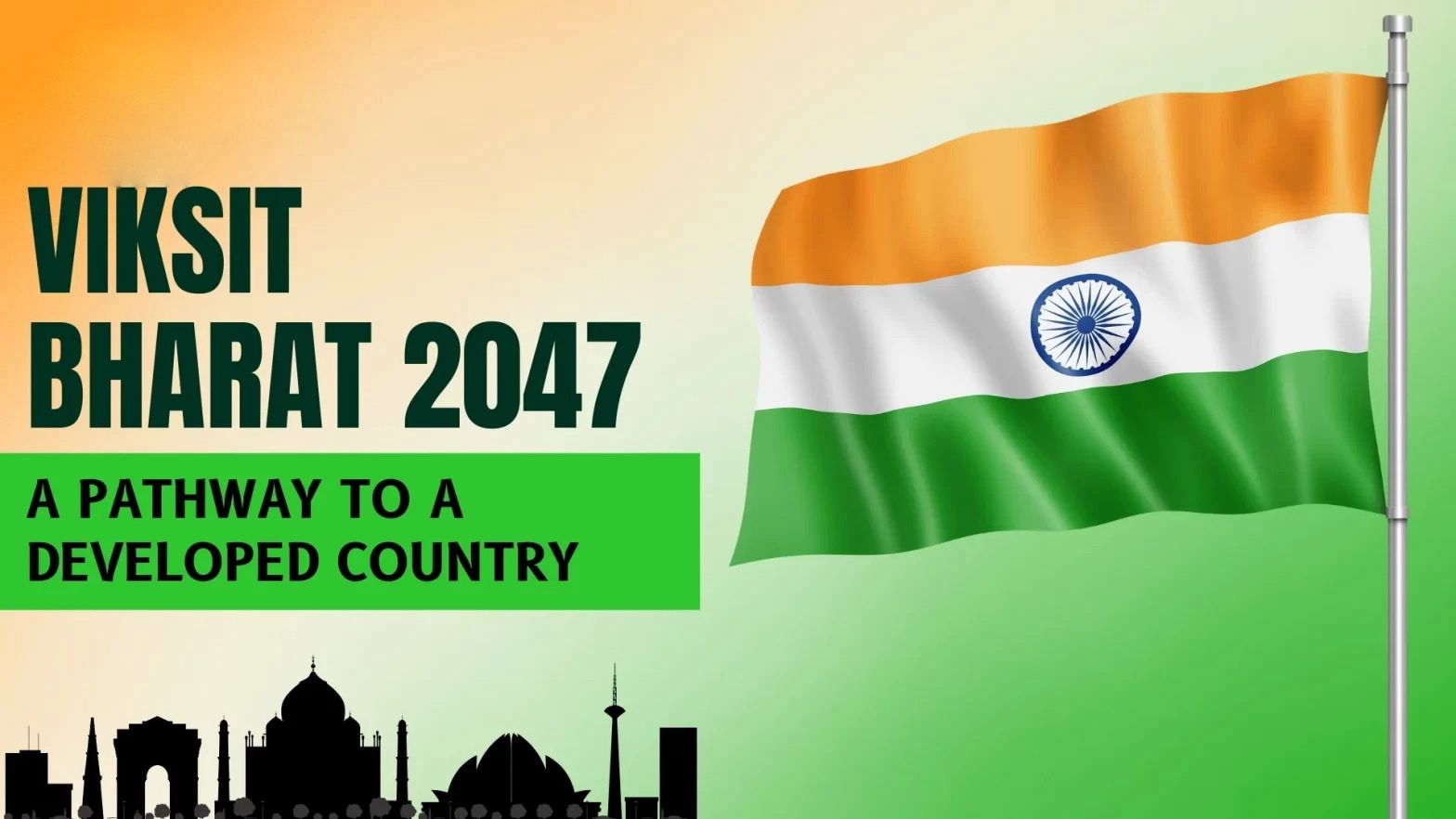
Union Finance Minister Nirmala Sitharaman emphasized that eliminating poverty, universalizing quality education, and generating skilled employment are the core pillars of India’s Viksit Bharat 2047 vision. Outlining the strategic roadmap, she noted that sustainable national development requires pairing robust economic growth with inclusive social welfare and human capital empowerment.
Outlining the nation's long-term economic strategy in New Delhi, the government places human capital, inclusive growth, and structural capacity at the center of its 2047 vision.
As India continues its steady ascent toward long-term economic maturity, the central government has reiterated that structural transformation must be anchored in deep social inclusion. Speaking on the strategic priorities governing national development, Union Finance Minister Nirmala Sitharaman stressed that achieving zero poverty, universalizing quality education, and accelerating massive job creation form the indispensable core of the Viksit Bharat (Developed India) roadmap. Unveiled through comprehensive policy statements and fiscal planning in New Delhi, the framework emphasizes that high GDP growth rates must directly translate into enhanced household purchasing power, robust workforce participation, and equitable standard-of-living improvements across every stratum of society.
Pillar Priorities: Bridging Education, Skilling, and Livelihoods
The strategic blueprint for Viksit Bharat moves beyond conventional macroeconomic metrics, focusing intently on capacity building and human resource development. According to policy outlines and budget allocations, the government’s approach integrates foundational social security with cutting-edge industrial readiness.
Key structural pillars highlighted in official policy documents include:
Eradicating Multi-Dimensional Poverty: Implementing targeted welfare delivery systems, affordable housing guarantees, and rural sanitation infrastructure to secure sustainable upward mobility for vulnerable populations.
Transformative Education Reforms: Upgrading foundational literacy, modernizing school curricula via adaptive frameworks, and expanding institutional capacities in higher education and research.
Employment and Apprenticeship Expansion: Scaling up targeted job-generation schemes, model skill loan programs, and corporate internship initiatives designed to integrate millions of young workers into the formal economy.
Fiscal Prudence and Growth Balance: Maintaining a stable macroeconomic environment with a strong thrust on public capital expenditure, domestic manufacturing capacity, and technological innovation.
Practical Impact on Citizens, Businesses, and Investors
For everyday citizens and youth entering the workforce, these core policy directives translate into expanded access to formal training, institutional credit, and stable livelihood opportunities. For corporate enterprises, the emphasis on skill development ensures a steady supply of qualified talent tailored to Industry 4.0 requirements. Meanwhile, foreign and domestic investors gain confidence from a predictable fiscal strategy that pairs aggressive infrastructure spending with long-term social stability, cementing India's position as a resilient economic anchor in a volatile global landscape.
Why It Matters
Aligning high-speed economic growth with poverty eradication and mass employment ensures that national development remains truly inclusive. By investing heavily in education and workforce readiness today, the country safeguards its demographic dividend and builds a globally competitive economy for the decades leading up to 2047.
Key Facts at a Glance
Core Vision Target: Transforming India into a developed nation by 2047 under the Viksit Bharat framework.
Primary Pillars: Zero poverty eradication, universal quality education, and massive employment generation.
Growth Context: Sustained national economic growth averaging around 7% annually alongside targeted fiscal discipline.
Youth Empowerment: Expanded outlays for national skilling missions, model skill loans, and structured corporate internships.
FAQ Section
What are the core priorities of the Viksit Bharat initiative?
The initiative centers on achieving zero poverty, expanding quality education and skilling, driving large-scale employment generation, and building a sustainable, high-income economy by 2047.
How does the government plan to address employment generation?
Through comprehensive frameworks like the Prime Minister's package for employment and skilling, model skill loans, and enhanced support for manufacturing and MSMEs.
Why is education highlighted alongside poverty reduction in the plan?
Human capital development through modern education and foundational literacy is viewed as essential for sustainable upward mobility and long-term economic resilience.
Where can citizens access official documents regarding the Viksit Bharat roadmap?
Complete budget speeches, policy frameworks, and planning documents are publicly accessible via the Ministry of Finance Budget Portal.
Source: Ministry of Finance Budget Division, Press Information Bureau (PIB), Viksit India Strategic Portal