India's merchandise exports reached $44.24 billion in July, according to official data released by the Ministry of Commerce and Industry. Driven by strong performance in engineering, electronics, and pharmaceutical sectors, the figures highlight ongoing operational resilience and global competitiveness across the nation's expanding industrial export base.
NEW DELHI, India — India recorded $44.24 billion in merchandise exports for the month of July, according to official foreign trade data released by the Ministry of Commerce and Industry. The outward trade performance reflects sustained global demand for Indian manufacturing output, electronics, engineering products, and pharmaceuticals. Released by government trade desks in New Delhi, the figures signal resilient export momentum for the nation’s industrial ecosystem despite ongoing global economic fluctuations, freight rate shifts, and regional geopolitical headwinds.
Sector Breakdown: Core Drivers Behind Export Performance
The trade ministry's detailed monthly performance disclosures outline consistent momentum across key non-oil and non-gems and jewelry manufacturing sectors. Electronics manufacturing, heavy engineering goods, and pharmaceutical active pharmaceutical ingredients (APIs) led the growth trajectory.
| Trade Category | Monthly Outflow Value | Primary Export Markets |
| Total Merchandise Exports | $44.24 Billion | US, UAE, Netherlands, UK |
| Engineering Goods | High-growth segment | US, Europe, Middle East |
| Electronics & Hardware | High-growth segment | US, UAE, Europe |
| Drugs & Pharmaceuticals | Stable outbound volume | North America, Africa, EU |
| Reporting Authority | Ministry of Commerce & Industry | Government of India |
The steady increase in engineering and electronic goods shipments highlights the impact of federal industrial policies, including the Production Linked Incentive (PLI) scheme, which continues to expand domestic factory capacity and integrate Indian suppliers into global value chains.
Global Market Access and Trade Agreement Footprint
The monthly export performance aligns with India's expanding network of bilateral and multilateral trade pacts. Modern Comprehensive Economic Partnership Agreements (CEPAs) and Free Trade Agreements (FTAs) have reduced tariff barriers for domestic exporters across priority destinations in the Middle East, Southeast Asia, Europe, and the Indo-Pacific region.
Free Trade Agreements: Enhanced market access under active FTAs with partners like the UAE, Australia, and regional trading partners continues to support steady order flows for labor-intensive and manufacturing industries.
Diversification: Indian manufacturers are increasingly diversifying export destinations beyond traditional markets into emerging economies across Africa, Latin America, and Central Asia.
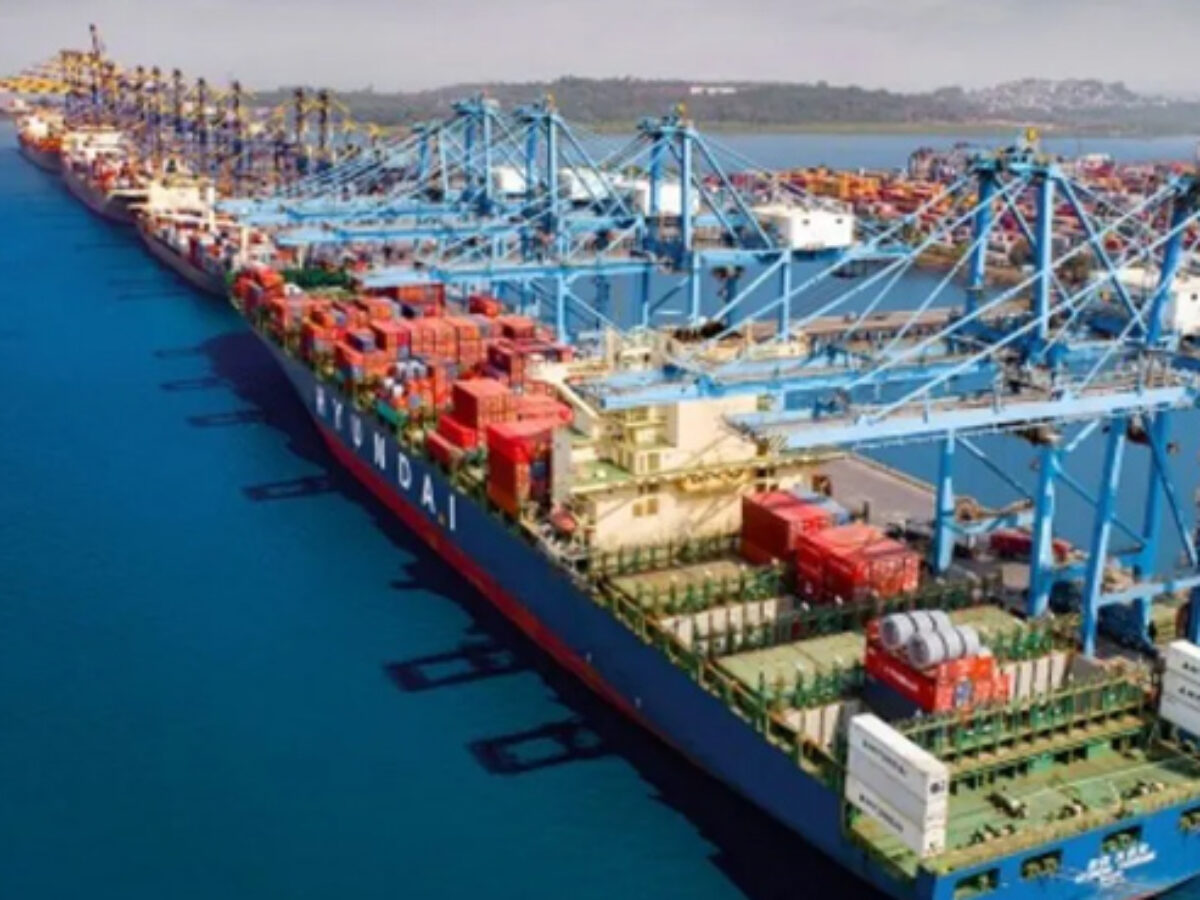
Port Infrastructure: Upgraded logistical corridors, integrated digital trade desks, and faster port turnaround times at major container terminals have improved delivery schedules for outbound freight.
Official Sources and Government Disclosures
The official trade statistics were compiled by the Directorate General of Commercial Intelligence and Statistics (DGCI&S) and published by the Press Information Bureau (PIB).
According to official releases from the Ministry of Commerce and Industry and trade data desks at the Press Information Bureau, the July merchandise export figure of $44.24 billion reflects consolidated preliminary customs records processed across all air, sea, and land ports in India.
Executive Statements and Trade Analysis
Official comments accompanying the trade data release underlined the resilience of the nation's export sectors amidst uncertain global market conditions.
According to officials, Indian exporters have demonstrated strong adaptability by expanding into new geographic markets and moving up the technological value chain. Officials noted that government trade desks remain dedicated to addressing logistical bottlenecks, extending trade facilitation measures, and supporting export credit access for micro, small, and medium enterprises (MSMEs).
Practical Implications for Businesses, Investors, and Markets
The achievement of $44.24 billion in monthly merchandise exports carries meaningful economic implications:
For Domestic Manufacturers: Robust international demand provides order visibility, supporting capacity expansion and employment generation across manufacturing hubs.
For Global Buyers: Consistent supply chain deliveries reinforce India's growing role as an alternative global sourcing destination for electronics, industrial equipment, and consumer products.
For Currency and Capital Markets: Solid foreign exchange inflows from merchandise trade help stabilize current account balances and bolster foreign reserve buffers.
Key Facts at a Glance
Monthly Export Value: India recorded $44.24 billion in merchandise exports for July.
Primary Drivers: Engineering goods, electronic items, drugs and pharmaceuticals, and organic chemicals.
Reporting Body: Released officially by the Ministry of Commerce and Industry, Government of India.
Strategic Context: Supported by expanding Free Trade Agreements and domestic manufacturing incentives.
Frequently Asked Questions (FAQ)
What were India's merchandise exports for July according to the Trade Ministry?
According to the Ministry of Commerce and Industry, India recorded $44.24 billion in merchandise exports for the month of July.
Which product sectors contributed most to July's export figures?
Key growth sectors driving outbound shipments included engineering goods, electronic hardware, pharmaceuticals, organic chemicals, and agricultural items.
Where can official trade data and monthly releases be inspected?
Official monthly trade bulletins, sector breakdowns, and historical trade tables are available on the web portals of the Ministry of Commerce and Industry and the Press Information Bureau.
How do Free Trade Agreements impact India's monthly export numbers?
Free Trade Agreements lower or eliminate import tariffs on Indian products in destination countries, making domestic manufacturers more price-competitive and expanding total shipment volumes.
Source: Official trade announcements and statistical releases published by the Ministry of Commerce and Industry and the Press Information Bureau (PIB).