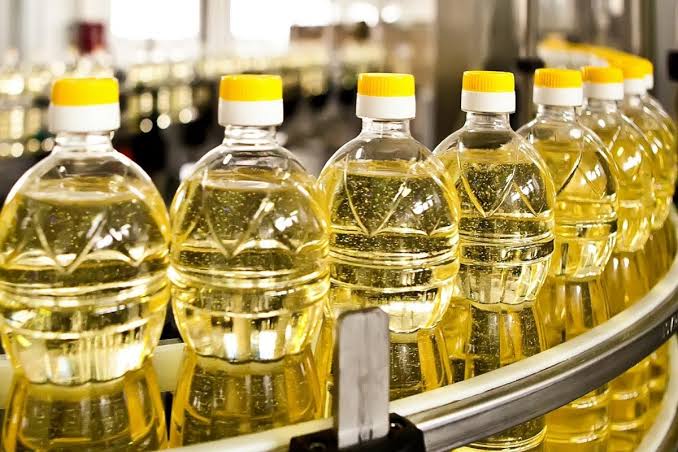
India's total vegetable oil imports reached 1.53 million tonnes in July, up from 1.15 million tonnes in June, according to the Solvent Extractors' Association of India (SEA). Palm oil imports rose to 730,965 tonnes, while soyoil and sunflower oil reached 498,881 and 251,639 tonnes respectively, driven by pre-festive inventory restocking.
NEW DELHI, India — India’s total vegetable oil imports surged to 1.53 million tonnes in July, up significantly from 1.15 million tonnes recorded in June, according to official operational data released by the country's apex vegetable oil trade body, the Solvent Extractors' Association of India (SEA). The sharp month-on-month increase in import volumes reflects aggressive stock replenishment by domestic refiners and cooking oil processors in preparation for the upcoming Indian festive season. The uptick in buying from the world's largest edible oil importer provides crucial demand support to global producers in Southeast Asia and South America.
Breakdown of Key Edible Oil Import Categories
According to the latest industry figures compiled by the SEA, import growth was visible across all major edible oil categories during the month of July. Palm oil witnessed the most dramatic rebound, driven by competitive pricing and depleted port inventories across Indian maritime hubs.
| Commodity Category | July Import Volume | June Import Volume | Sequential Trend |
| Palm Oil (RBD & Crude) | 730,965 Tonnes | 487,846 Tonnes | Substantial Increase |
| Soyoil (Crude Degummed) | 498,881 Tonnes | 380,815 Tonnes | Strong Uptick |
| Sunflower Oil | 251,639 Tonnes | 242,870 Tonnes | Moderate Growth |
| Total Vegetable Oil Imports | 1.53 Million Tonnes | 1.15 Million Tonnes | +33% Month-on-Month |
Palm oil imports jumped to 730,965 tonnes in July from 487,846 tonnes in June. Soyoil shipments reached 498,881 tonnes compared to 380,815 tonnes in the previous month, while sunflower oil imports rose moderately to 251,639 tonnes from 242,870 tonnes.
Market Dynamics: Festive Restocking and Global Supply Chains
The sharp rise in import volumes comes as domestic refiners rebuild pipeline stocks ahead of major national festivals between August and November, when cooking oil consumption reaches its annual peak. Lower domestic oilseed crushing volumes—resulting from depleted soybean and rapeseed stocks from the previous harvest—further compelled processors to turn to international markets to meet domestic demand.
Palm Oil Supply Sources: India sources the bulk of its crude palm oil (CPO) and refined palm olein from Indonesia, Malaysia, and Thailand.
Soft Oils Sourcing: Soyoil arrivals are primarily shipped from Argentina and Brazil, while sunflower oil originates mainly from Black Sea producers, including Russia and Ukraine.
Price Differentials: Narrowing negative margins between palm oil and soft oils encouraged refiners to optimize their purchase baskets, favoring palm oil for commercial frying and food processing applications.
Official Disclosures and Trade Body Reporting
The official figures were compiled and issued by the trade desk of the Solvent Extractors' Association of India (SEA), the recognized national industry association representing vegetable oil extractors, refiners, and international traders.
According to the official data released by the Solvent Extractors' Association of India (SEA) and reported by the Ministry of Commerce and Industry, total vegetable oil imports—comprising both edible and non-edible grades—reached 1.53 million tonnes in July, consolidating India's role as the anchor buyer in global agricultural trade.
Official Quotes and Executive Analysis
Industry analysts and trade representatives highlighted the operational necessity of expanding import pipelines ahead of peak retail demand.
According to officials, domestic refiners accelerated procurement orders throughout July to replenish depleted port stocks and cover commitments for the festival season. Trade representatives noted that while import volumes rebounded sharply from June's subdued levels, international price stability will remain crucial for keeping retail cooking oil prices accessible for domestic households.
Why It Matters: Consumer Prices, Refiners, and Global Trade
The jump in India’s July vegetable oil imports carries far-reaching implications across domestic retail markets and global commodity exchanges:
For Domestic Consumers: Increased import arrivals ensure stable market supply and prevent sudden retail price spikes during peak festival shopping months.
For Edible Oil Refiners: Higher throughput improves capacity utilization across coastal processing facilities in Gujarat, Maharashtra, and Andhra Pradesh.
For International Commodity Markets: Rebounding Indian import demand absorbs inventory in top producing nations like Indonesia, Malaysia, Argentina, and Brazil, lending fundamental price support to global palm oil and soybean oil futures.
Key Facts at a Glance
Total Vegetable Oil Imports: July imports reached 1.53 million tonnes, up from 1.15 million tonnes in June.
Palm Oil Spike: Palm oil arrivals expanded to 730,965 tonnes compared to 487,846 tonnes in June.
Soft Oils Growth: Soyoil imports rose to 498,881 tonnes, while sunflower oil reached 251,639 tonnes.
Primary Driver: Inventory restocking by refiners ahead of the peak domestic festive season.
Frequently Asked Questions (FAQ)
What were India's total vegetable oil imports in July?
According to trade body data, India imported 1.53 million tonnes of vegetable oils in July, compared to 1.15 million tonnes in June.
How much palm oil did India import in July?
Palm oil imports totaled 730,965 tonnes in July, marking a significant increase from 487,846 tonnes recorded in June.
Why did India's edible oil imports increase sharply in July?
Imports rose as domestic refiners and trade distributors stepped up purchases to replenish depleted inventories ahead of peak festival season demand.
Where can official vegetable oil trade statistics be verified?
Official monthly import updates are published by the Solvent Extractors' Association of India (SEA) and trade portals under the Ministry of Commerce and Industry.
Source: Official trade bulletins published by the Solvent Extractors' Association of India (SEA) and foreign trade statistics desks under the Ministry of Commerce and Industry.