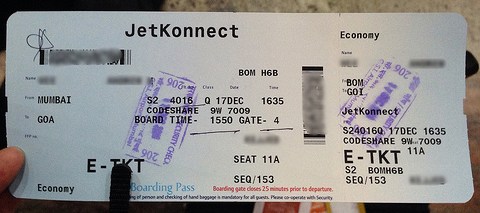
Starting September 1, 2026, international passengers flying out of Indian airports will no longer require physical boarding passes or immigration stamps. The Bureau of Immigration directive permits e-boarding passes across all counters, ending manual stamping to streamline border clearance, reduce queue times, and eliminate boarding gate scanning errors.
NEW DELHI — Passengers departing India on international flights will no longer need to carry physical paper boarding passes or have them stamped at immigration checkpoints beginning September 1, 2026, according to an internal directive issued by the Bureau of Immigration. The circular, issued by Delhi Foreigners Regional Registration Officer (FRRO) Deepak Yadav and dispatched to the Central Industrial Security Force (CISF) and all international airport operators across the country, replaces mandatory manual stamping with digital e-boarding pass validation. The structural reform aims to reduce departure processing times, eliminate barcode scanning errors caused by ink smudging, and accelerate contactless digital border processing across India’s international aviation gateways.
Transition to Digital Validation and Paperless Immigration
Under the revised standard operating procedure, international outbound travelers may present electronic boarding passes—stored on smartphones, airline mobile applications, or digital wallets—directly at immigration clearance counters.
The Bureau of Immigration confirmed that while paper boarding passes will remain permissible for passengers who prefer or require them, immigration officers will no longer apply physical ink stamps to any boarding passes. The transition resolves operational friction where improper, faint, or smudged ink stamps caused scanning errors at departure boarding gates, leading to delays during final aircraft embarkation.
Aviation security desks and airport operations teams have been instructed to sensitize checkpoint staff and recalibrate e-gates and document verification systems to ensure full alignment ahead of the September 1 implementation deadline.
Modernization of Indian Airport Infrastructure
The decision marks another milestone in the digitization of India's airport passenger processing, complementing the Ministry of Home Affairs' Fast Track Immigration-Trusted Traveller Programme (FTI-TTP) and the Ministry of Civil Aviation's domestic Digi Yatra ecosystem.
Over recent years, Indian aviation regulators have systematically phased out redundant physical verification steps. In domestic travel, hand baggage tag stamping and pre-embarkation security stamping were previously discontinued in favor of high-definition CCTV coverage and digital barcode scanners. Extending a paperless, stamp-free workflow to international immigration counters brings Indian border checkpoints in line with global aviation processing standards established in international hubs across North America, Europe, and East Asia.
Impact on Airlines, Security Forces, and International Travelers
The elimination of physical boarding pass stamps directly streamlines operations for multiple aviation stakeholders:
International Flyers: Travelers eliminate the risk of misplacing stamped paper passes between immigration counters and airline boarding gates.
Aviation Security & CISF: Border control officers reduce manual verification times per passenger, increasing throughput at immigration halls during peak late-night flight departure banks.
Airline Operations: Ground handling teams eliminate gate delays triggered by illegible or missing manual stamps on paper boarding cards.
Official Sources Section
Regulatory details and operational timelines cited in this report are based on internal directives from the Bureau of Immigration, regulatory advisories from the Bureau of Civil Aviation Security, and border management updates issued by the Ministry of Home Affairs.
Quote Section
"The matter has been examined by the Bureau of Immigration and it has now been decided to do away with the mandatory requirement of physical boarding passes and the stamping of boarding passes at immigration counters, at all international airports in the country," stated the internal communication issued by the Bureau of Immigration.
Why It Matters
Faster Terminal Clearance: Eliminating physical stamps reduces terminal dwell times and cuts queuing bottlenecks at international departure immigration zones.
Reduced Human Error: Prevents automated boarding gate rejections caused by smudged or misaligned manual ink stamps.
Digital Integration: Advances the government's transition toward integrated biometric and digital document verification across international checkpoints.
Key Facts at a Glance
Effective Date: September 1, 2026, across all international airports in India.
Policy Change: Mandatory physical boarding passes and immigration ink stamps scrapped for international departures.
Acceptable Formats: E-boarding passes on smartphones accepted; physical passes accepted without stamping.
Implementing Body: Bureau of Immigration in coordination with CISF and airport operators.
Frequently Asked Questions
Do international flyers still need to print a paper boarding pass from September 1, 2026?
No. Passengers traveling internationally from Indian airports can show their digital e-boarding passes on their mobile devices for immigration clearance.
Will immigration officers still stamp physical boarding passes if a flyer carries one?
No. While physical paper boarding passes remain acceptable at counters, immigration personnel will no longer stamp them.
Does this rule apply to all international airports in India?
Yes. The Bureau of Immigration directive applies uniformly across all operational international airports in India.
Source: Bureau of Immigration, Ministry of Home Affairs, Bureau of Civil Aviation Security.