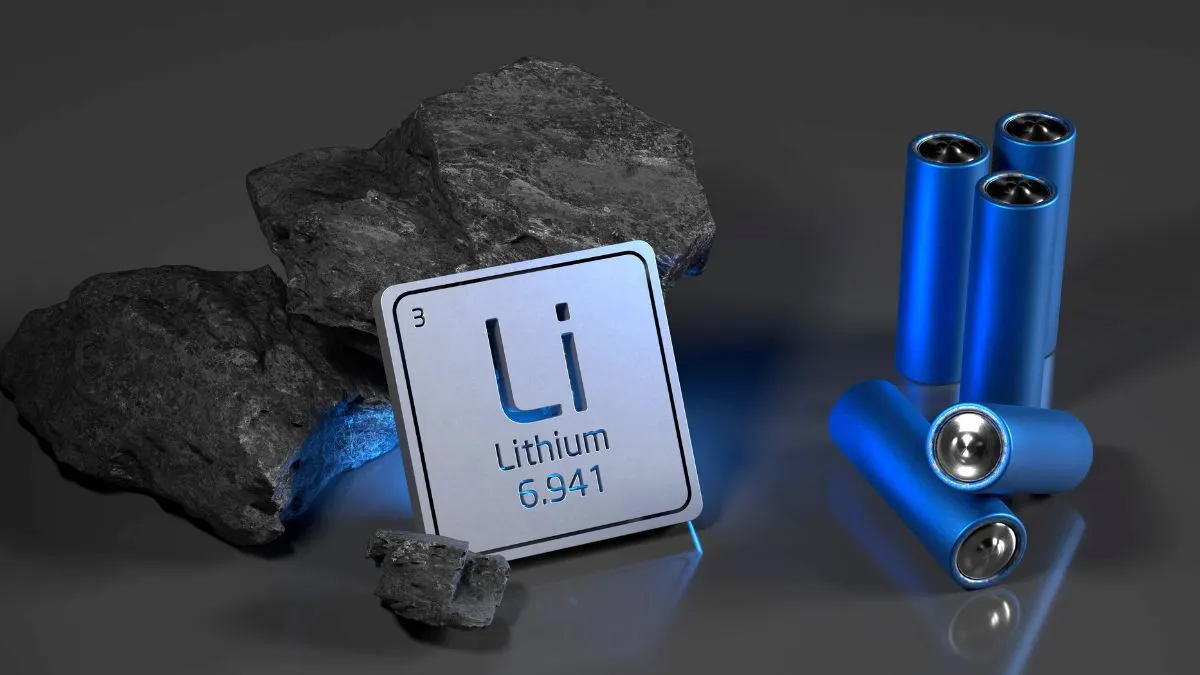
India is expanding negotiations to acquire lithium blocks across Argentina, Australia, and Chile to meet surging domestic battery manufacturing and electric vehicle demand. Backed by state-led venture KABIL, private participation, and recycling incentives, New Delhi aims to de-risk critical mineral supply chains from global price volatility and overseas refining bottlenecks.
NEW DELHI — The Indian government is expanding bilateral negotiations to acquire lithium blocks in Australia, Chile, and Argentina, stepping up its overseas lithium hunt to safeguard long-term supplies as domestic electric vehicle (EV) adoption and battery manufacturing accelerate. Facing near-total dependence on overseas sources for refined battery components, New Delhi’s strategic mineral diplomacy aims to de-risk its clean energy supply chain, protect domestic automakers from price shocks, and support ambitious national climate and industrial targets.
Expanding the Global Footprint in the Lithium Triangle
India has intensified talks with sovereign authorities and private commercial entities across key mineral-rich jurisdictions. State-owned Khanij Bidesh India Limited (KABIL)—a joint venture formed by National Aluminium Company (NALCO), Hindustan Copper Limited (HCL), and Mineral Exploration and Consultancy Limited (MECL)—has already secured five lithium brine blocks in the Catamarca province of Argentina and is now pursuing five additional blocks in the South American country.
Concurrently, official dialogues are progressing with Chile and Australia. In Chile, which holds the world’s largest proven reserves within the South American "Lithium Triangle," state agencies have entered into preliminary agreements and non-disclosure pacts with state-run enterprise ENAMI for brine exploration. In Australia, the Ministry of Mines is pursuing both hard-rock lithium assets and collaborative due diligence frameworks established under the Critical Minerals Investment Partnership.
Mobilizing the Private Sector and Upstream Capital
Recognizing the scale of global competition, the Ministry of Mines is actively urging private Indian enterprises to acquire, explore, and extract critical minerals abroad to secure supply agreements back home. While sovereign vehicles like KABIL spearhead state-to-state negotiations, senior officials have confirmed that the government is crafting frameworks to facilitate private sector co-investments and commercial off-take arrangements.
Global market valuations for early-stage mineral exploration assets have remained competitive, prompting Indian energy and mining conglomerates to assess opportunities in Australia and the Americas alongside state-backed consortiums. Policymakers view commercial participation as vital to matching the aggressive acquisition pace demonstrated by foreign mining conglomerates.
Surging Domestic Demand for Battery Minerals
The impetus behind the overseas lithium hunt is rooted in rapid domestic industrial expansion. India has committed to achieving a 30 percent electric vehicle penetration rate in overall automotive sales by 2030, alongside building 500 gigawatts of non-fossil fuel power generation capacity. Meeting these targets requires extensive grid-scale battery energy storage systems (BESS) and millions of automotive battery packs.
Domestic lithium-ion cell manufacturing demand is projected to rise sharply toward 160 gigawatt-hours by the end of the decade. Although the Geological Survey of India (GSI) identified inferred resources in Jammu and Kashmir and commenced preliminary work across Rajasthan and Karnataka, domestic greenfield exploration and commercial refining will take several years to reach production scale. Securing overseas feedstock bridges this structural gap.
E-Waste Recycling as a Complementary Secondary Source
In tandem with mining investments abroad, the central government is promoting domestic circular economy models to reduce baseline import requirements. The Ministry of Mines disclosed that out of 125 entities registered under the government’s 1,500-crore rupee recycling incentive framework, 58 projects have cleared technical benchmarks.
These secondary processing initiatives are estimated to recover approximately 96 kilotonnes of critical raw materials per year once operational. Officials project that closed-loop recovery and battery recycling could fulfill 25 to 30 percent of India’s overall critical mineral requirements over the coming decade, dampening long-term exposure to external supply disruptions.
Strategic and Economic Impact
For domestic automakers, cell manufacturers, and industrial consumers, securing raw mineral equity provides predictable input costs and prevents bottlenecks in local assembly lines. India currently relies heavily on imports for lithium compounds and cathode materials, leaving domestic manufacturers exposed to concentrated global processing chains and tariff volatility. By acquiring assets directly at the source, India aims to build strategic mineral resilience, support domestic industrial subsidies, and protect end-consumers from vehicle price shocks.
Official Sources Section
Operational updates, international due diligence reports, and regulatory frameworks have been confirmed through official briefings and documentation from the Ministry of Mines, corporate disclosures from Khanij Bidesh India Limited (KABIL), and project approvals evaluated by NITI Aayog.
Quote Section
"India has limited lithium reserves. Therefore, we acquired five blocks in Argentina and are now seeking to acquire five more [blocks there]. Similarly, we are speaking to Australia and Chile," Union Minister of Coal and Mines G. Kishan Reddy stated regarding the ongoing diplomatic and commercial negotiations.
Why It Matters
Securing upstream critical mineral equity allows India to build an independent clean energy supply chain. Without direct access to overseas lithium supplies, domestic gigafactory projects and EV transition milestones remain vulnerable to geopolitical shifts, export restrictions, and price surges in global refining hubs.
Key Facts at a Glance
Geographic Focus: India is actively pursuing lithium asset acquisitions across Australia, Chile, and Argentina.
Asset Portfolio: State-backed venture KABIL holds five blocks in Argentina's Catamarca province and is seeking five additional blocks.
Private Sector Role: The government is encouraging private commercial miners to secure equity blocks overseas and export raw material back to India.
Secondary Recovery: Domestic e-waste and battery recycling programs are projected to offset 25 to 30 percent of critical mineral import needs over time.
Frequently Asked Questions
Why is India pursuing overseas lithium assets instead of domestic mining?
While domestic inferred deposits have been identified in regions such as Jammu and Kashmir, bringing greenfield hard-rock lithium deposits into commercial extraction and establishing local refining infrastructure requires long development timelines. Securing overseas operational blocks ensures reliable, immediate raw mineral supply for domestic battery plants.
What role does KABIL play in India’s mineral diplomacy?
Khanij Bidesh India Limited (KABIL) is a dedicated joint venture established by three state-owned mining enterprises to identify, acquire, explore, and commercialize critical and strategic minerals overseas to bolster India’s supply chain resilience.
How will overseas acquisitions affect domestic EV prices?
Direct access to raw lithium reserves stabilizes cathode and cell component production costs, shielding domestic automakers and consumers from sharp price swings in international mineral spot markets.
Source: Official statements and releases from the Ministry of Mines, Khanij Bidesh India Limited (KABIL), NITI Aayog, and the Press Information Bureau (PIB).