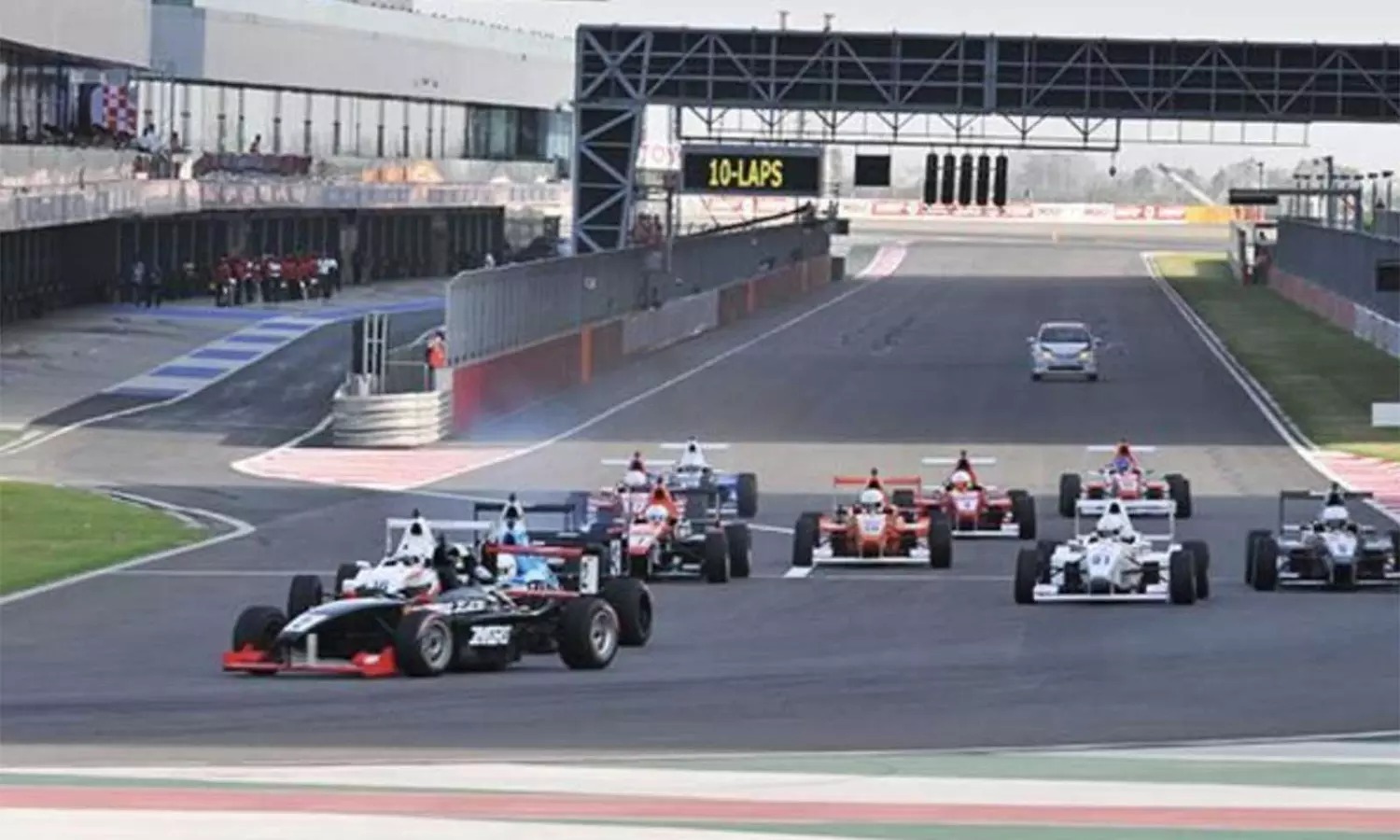
The Indian Sports Ministry has established a dedicated task force to pave the way for Formula 1's return to the country by 2028. Working alongside the FMSCI, the initiative aims to solve past regulatory and tax hurdles, upgrade infrastructure, and tap into India's growing fanbase of 98 million motorsport enthusiasts.
NEW DELHI — The Ministry of Youth Affairs and Sports (MYAS) has officially established a high-level task force to monitor and accelerate the development of motorsports, aiming to bring back Formula 1 racing to India by the end of 2028. This strategic move follows a series of high-profile meetings between government officials, potential corporate stakeholders, and motorsport representatives aimed at resolving the administrative and financial friction that cut short the country's previous F1 stint over a decade ago.
Government Formulates Strategic Task Force for Formula 1 Return
The newly formed four-to-five-member task force will operate under the direct oversight of the Ministry of Youth Affairs and Sports. According to official ministry sources, the group is mandated to undertake a comprehensive assessment of India’s current motorsport ecosystem, evaluate necessary infrastructure upgrades, and construct a sustainable regulatory framework.
Union Sports Minister Mansukh Mandaviya stated that the task force will systematically analyze the international economic, tourism, and investment benefits that hosting a global event like Formula 1 would bring to the nation. The deployment of this specialized panel is seen as an essential step toward standardizing operations and smoothing out compliance issues before engaging in formal commercial contract negotiations with Liberty Media, the rights holders of Formula 1.
Collaboration with FMSCI and Global Organizers
The government's renewed push gained significant momentum following a key consultative meeting in New Delhi involving Union Sports Minister Mansukh Mandaviya, Minister of State Raksha Khadse, senior ministry officials, and the Federation of Motor Sports Clubs of India (FMSCI).
FMSCI President Arindam Ghosh confirmed that the collective objective extends beyond just securing a date on the Formula 1 calendar. The broader roadmap aims to introduce a round of the World Rally Championship (WRC) and revive MotoGP infrastructure by 2028, setting up a definitive runway for a Formula 1 return by 2028 to 2030. The collaborative blueprint explicitly emphasizes local driver development pathways and technical talent pipelines to ensure long-term domestic participation in elite racing tiers.
Impact on Investors, Businesses, and Motorsport Fans
The economic implications of reviving the Indian Grand Prix are substantial for multiple sectors:
Investors & Corporate Backers: Large conglomerates, including rumored interest from entities like the Adani Group regarding the Buddh International Circuit (BIC), view the return of global racing as a premium destination asset that can stimulate regional commercial real estate and hospitality infrastructure.
Tourism & Businesses: Hoteliers, transport operators, and retail businesses in the National Capital Region (NCR) stand to gain a massive influx of international and domestic tourists during race weekends.
Motorsport Fans: India boasts an estimated active F1 fanbase of roughly 98 million people. The return of live racing eliminates timezone barriers for domestic viewers and provides a localized anchor for the sport’s younger demographic.
Official Sources Section
The initiative is backed by formal declarations from the Ministry of Youth Affairs and Sports and official briefings distributed during the FMSCI Annual Awards function held in Bengaluru. Regulatory objectives, stakeholder attendance, and structural updates have been cross-verified with state-issued reports from the Press Trust of India (PTI) and Asian News International (ANI).
Quote Section
"We will try to bring back F1 in India by 2028. For this, we created a task force which monitors motor sports in the country and submits its report to the Ministry."
— Official Source, Ministry of Youth Affairs and Sports (MYAS)
"The meeting focused primarily on bringing F1, MotoGP and a round of the WRC to India. The Federation stressed the need to develop Indian drivers and the overall development of motorsports."
— Arindam Ghosh, President of the Federation of Motor Sports Clubs of India (FMSCI)
Why It Matters
Securing a slot for a Formula 1 event is highly competitive due to strict calendar limitations and intense interest from global cities. For India, establishing an active government task force changes motorsport from a private commercial venture into a recognized national sporting priority. This transition helps mitigate the tax classification disputes and customs bottlenecks that prematurely ended India's initial F1 run at the Buddh International Circuit between 2011 and 2013, offering a stable environment for international investors and organizers.
Key Facts at a Glance
Target Timeline: Official target set for the return of Formula 1 to India by 2028.
New Regulatory Body: A dedicated 4–5 member Sports Ministry task force created to manage challenges and framework logistics.
Multi-Discipline Expansion: Broader targets include introducing a World Rally Championship (WRC) round and maintaining MotoGP goals by 2028.
Fanbase Metric: India currently holds a rapidly growing consumer base of approximately 98 million motorsport enthusiasts.
FAQ Section
Q1: Why did Formula 1 leave India after 2013? Formula 1 ceased racing in India after the 2013 season due to bureaucratic hurdles, high entertainment taxes levied by the local government—which did not classify motorsport as a sport at the time—and complex customs clearance procedures for international teams and equipment.
Q2: Will the races happen at the Buddh International Circuit (BIC)? While the Buddh International Circuit in Greater Noida remains India's premier FIA Grade 1 certified track capable of hosting F1, the task force is evaluating overall ecosystem requirements, including potential ownership transitions, infrastructure refurbishments, and promotional partnerships.
Q3: How does the new task force help bring the sport back? The task force acts as a direct bridge between corporate promoters, the FMSCI, global bodies like the FIA, and various government ministries. Its job is to create a streamlined policy framework that prevents past tax and administrative disputes from recurring.
Source: * Ministry of Youth Affairs and Sports (MYAS) Official Statements
Federation of Motor Sports Clubs of India (FMSCI) Press Release
Asian News International (ANI) Sports Desk Reports
Press Trust of India (PTI) Legal & Sports Bureau Archival Documentation