India is set to host a high-level BRICS security conclave featuring Indian NSA Ajit Doval, China's Wang Yi, and Russia's Sergei Shoigu. Convening amid complex global tensions, the summit will address counter-terrorism, maritime safety, and cyber security, providing a key platform for critical diplomatic dialogue.
NEW DELHI — In a major diplomatic development, India to host BRICS security conclave as Doval, Wang Yi, Shoigu meet amid rising geopolitical tensions to address critical global defense challenges and cross-border security frameworks.
The Ministry of External Affairs (MEA) confirmed that the high-level meeting will convene senior national security advisers and intelligence chiefs from the expanded BRICS bloc. The multilateral summit comes at a time of heightened regional friction, making institutional coordination between member states a vital pivot point for international relations.
High-Profile Security Officials Focus on Global Stability
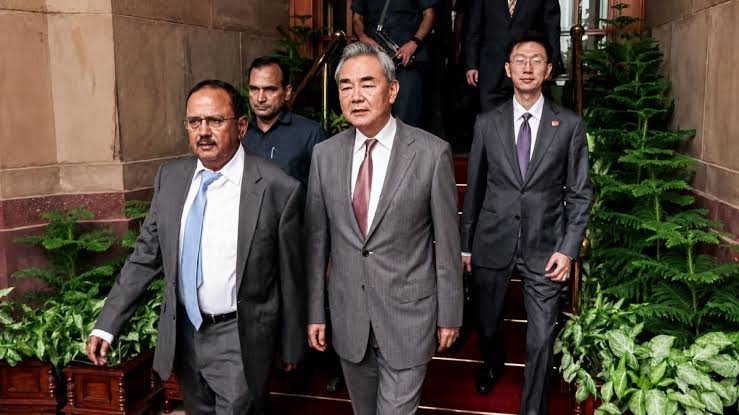
The upcoming convention serves as a significant platform for direct, closed-door negotiations between major global powers. Indian National Security Advisor (NSA) Ajit Doval is scheduled to lead the domestic delegation, acting as the host coordinator for the multilateral proceedings.
According to official administrative agendas, the summit will see the participation of China's Director of the Central Foreign Affairs Commission, Wang Yi, alongside the Secretary of the Russian Security Council, Sergei Shoigu. Representatives from newly admitted BRICS nations are also expected to attend, reflecting the bloc's recent expansion.
Diplomatic sources indicate that the primary discussions will center on counter-terrorism strategies, maritime trade route security, and cyber defense protocols. The presence of both Indian and Chinese top representatives provides a structured venue for side-channel conversations regarding ongoing border management along the Line of Actual Control (LAC).
Additionally, talks with Russian delegates are anticipated to look into the continuity of supply chains and trade payment mechanisms amidst ongoing global financial sanctions.
Managing the Geopolitical Balance in Southern Asia
The scheduling of this conclave highlights India’s complex foreign policy strategy, which balances its obligations within Western-aligned partnerships like the Quad with its foundational role in the BRICS alliance. Security analysts from regional think-tanks note that hosting this event allows New Delhi to maintain proactive communication channels with its northern neighbors while asserting its leadership within the Global South.
The expansion of the BRICS platform to include major oil-producing countries has increased the group's economic influence. Consequently, this security meeting is poised to evaluate infrastructure safety along essential energy corridors in the Middle East and the Indian Ocean. The outcomes of these discussions are expected to influence defense deployment patterns and trade security guidelines for the upcoming fiscal year.
Official Sources Section
The institutional arrangements, delegation rosters, and overarching summit themes have been compiled in accordance with press releases from the Ministry of External Affairs (MEA), diplomatic briefs from the Russian Security Council, and official statements published by the State Council of the People's Republic of China.
Quote Section
An administrative briefing from the strategic coordination desk provided context regarding the operational intent of the upcoming meeting.
"According to officials within the diplomatic advisory panels, the conclave is structured to reinforce collective intelligence sharing and standard operational protocols regarding transnational threats. The assembly aims to provide a reliable, non-escalatory platform for member states to align on security issues impacting shared trade routes."
Why It Matters
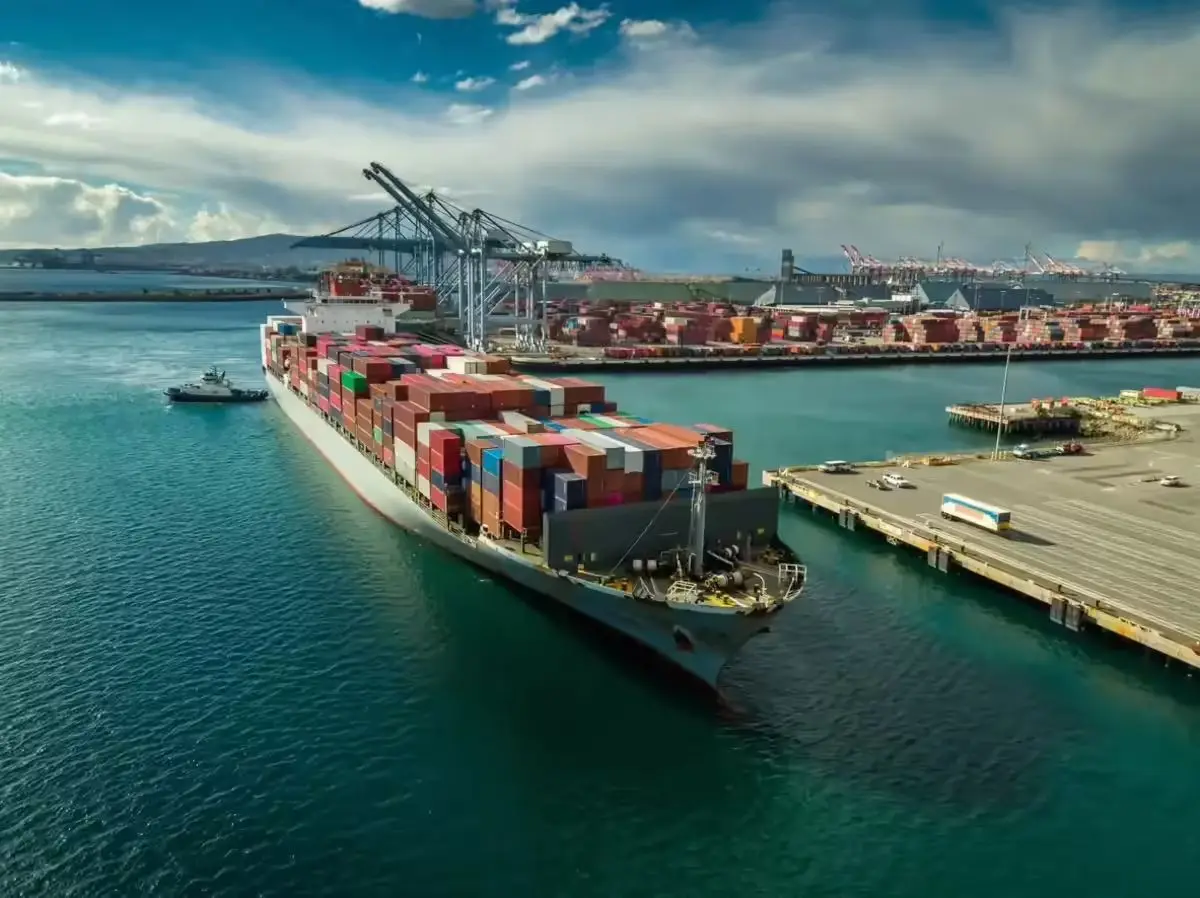
For international trade organizations and commodity investors, the stability achieved through these high-level discussions directly influences shipping insurance rates and maritime route predictability across Asia.
For the general public and regional citizens, steady diplomatic dialogue between nuclear-armed nations like India and China helps reduce border tensions, fostering a safer regional environment that supports cross-border economic stability and limits localized security alerts.
Key Facts at a Glance
Host Country: India will officially host the upcoming security conclave for the expanded BRICS alliance.
Key Attendees: National Security Advisor Ajit Doval, China's Wang Yi, and Russia's Sergei Shoigu will lead their respective state delegations.
Core Agenda: Focus areas include counter-terrorism protocols, maritime shipping lane security, and international cyber defense infrastructure.
Geopolitical Timing: The meeting convenes during a period of complex regional shifts, offering a forum for critical bilateral and multilateral side-talks.
Frequently Asked Questions (FAQ)
Who is representing India at the BRICS security conclave?
India's delegation will be led by National Security Advisor (NSA) Ajit Doval, who will also serve as the host coordinator for the visiting dignitaries.
Which nations are participating in this summit?
The conclave will include the core BRICS member states—including India, China, and Russia—alongside representatives from the newly integrated member countries.
Will the India-China border situation be discussed?
While the primary focus remains on broad multilateral security frameworks, the presence of Ajit Doval and Wang Yi traditionally opens avenues for bilateral talks regarding border management along the LAC.
Source: Official Media Briefings from the Ministry of External Affairs (MEA), India; Diplomatic Notifications from the Russian Security Council; and Institutional Press Releases from the Ministry of Foreign Affairs, China (2026).