Rupee Surplus Investments: Moscow Docks in Indian Ports
Pearl Doshi - Gujarat Bureau Jun 21, 2026 1,300 Views
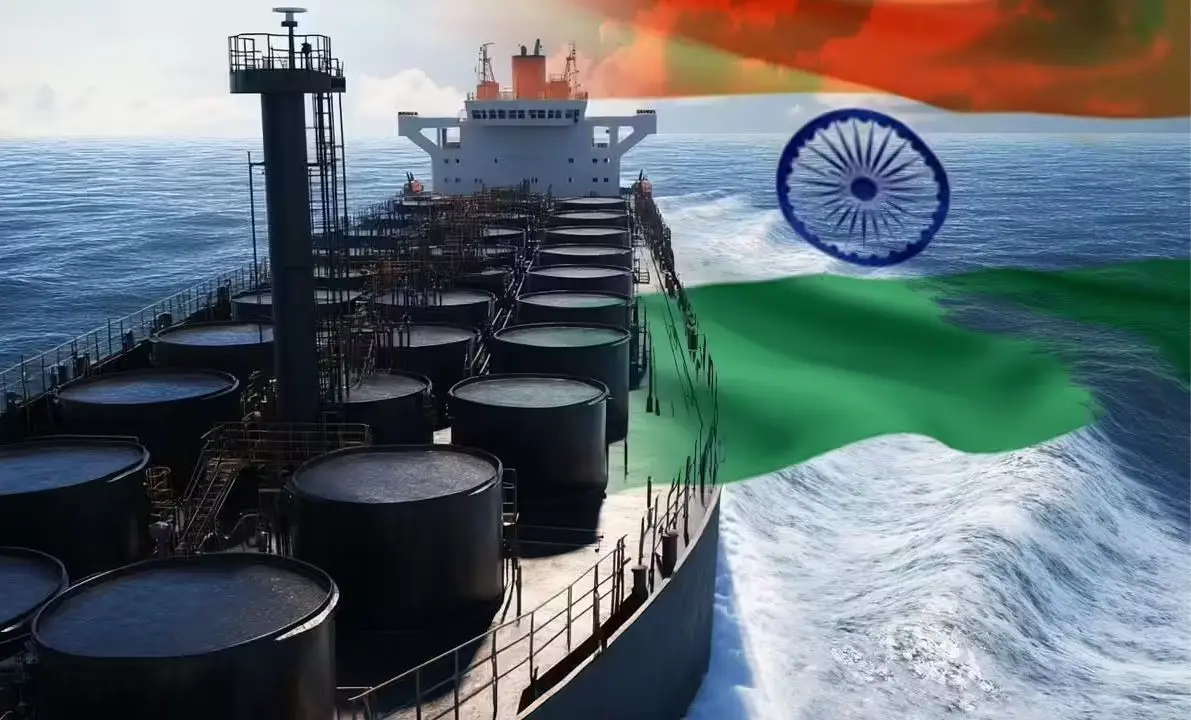
Russia is transitioning its accumulated trade balances into long-term assets by launching targeted rupee surplus investments in India. The capital injection focuses on modernizing coastal shipping ports under the Sagarmala initiative, developing advanced agricultural and medical biotechnology, and expanding infrastructure across domestic Special Economic Zones.
NEW DELHI — In a major bilateral economic realignment, Russia is moving to deploy its vast holdings of accumulated Indian currency into the country's high-growth sectors.Moscow is actively exploring substantial rupee surplus investments targeting India’s expanding port infrastructure, biotechnology sectors, and specialized manufacturing zones. This strategic shift marks a critical transition from simple oil-for-currency trade to deep-seated industrial and infrastructural partnerships between the two historical allies.
Moscow Diverts Trade Balances Into Coastal Infrastructure
The ongoing economic consultations between Moscow and New Delhi have identified several key sectors designed to absorb the capital accumulated under the bilateral Rupee-Rouble trade framework.The accumulation accelerated significantly following Western sanctions that isolated Russian banks from global payment networks like SWIFT.
According to the Primakov National Research Institute of World Economy and International Relations, India's maritime infrastructure is currently positioned as the primary target for these funds.Russia is aiming to tie its capital directly into India’s flagship Sagarmala programme, a massive state-led initiative consisting of more than 800 projects aimed at modernizing and expanding the nation’s port network.
Investing directly in coastal logistics allows Russia to secure steady, long-term financial returns while simultaneously insulating its state capital from the volatile nature of Western financial blockades.Additionally, improved port operations directly streamline alternative supply channels, including the operationalized Vladivostok–Chennai maritime corridor and the International North–South Transport Corridor (INSTC).
Healthcare and Agricultural Biotech Next in Line
Beyond shipping lanes and heavy maritime logistics, Russian economic planners are diversifying into advanced knowledge economies.Biotechnology—specifically split between pharmaceutical production and agricultural technology—has emerged as a vital pillar for these rupee surplus investments.
With the global demand for affordable medicines rising consistently, India's generic manufacturing and vaccine capabilities present a resilient avenue for capital growth.Concurrently, Russia is evaluating investments into Indian agricultural biotechnology.Official planning sources indicate a clear focus on technologies designed to improve water efficiency and increase domestic grain outputs to bolster agricultural stability.
Furthermore, Special Economic Zones (SEZs) across India have put forward targeted project portfolios to the Russian side.These setups offer streamlined regulatory approvals, tax exemptions, and customized manufacturing layouts that officials view as highly attractive commercial propositions.
Official Sources Section
According to official briefings from the Primakov National Research Institute of World Economy and International Relations, structural committees are reviewing project legalities to ensure full regulatory compliance under the guidelines established by the Reserve Bank of India. Both nations continue to utilize Special Rupee Vostro Accounts (SRVAs) to settle transactions outside the traditional dollar eco-system.
Quote Section
Reflecting on the commercial feasibility of the maritime expansion, Alexander Dynkin, President of the Primakov National Research Institute of World Economy and International Relations, stated:
"Several promising areas have been identified, with port infrastructure being the most attractive destination for rupee investments. India is implementing the large-scale Sagarmala programme to modernise and expand its port infrastructure through more than 800 projects. Investments in ports will not only generate long-term returns but also help Russia cope with sanctions."
Dynkin further observed that the broader deployment of funds meets critical structural needs across South Asia:
"Global demand for medicines will continue to grow, as will their production in India. At the same time, Indian agriculture requires new technologies to improve water efficiency and significantly raise grain output, paving the way for a second Green Revolution."
Why It Matters
For Indian industries, the deployment of Russian capital speeds up crucial infrastructure delivery without adding to the public fiscal deficit. Consumers stand to gain from enhanced local pharmaceutical pipelines and advanced agricultural yields that can stabilize food inflation. For Russia, moving liquid currency stuck in Indian bank accounts into hard infrastructure assets converts an operational trade bottleneck into an enduring economic anchor in Asia.
Key Facts at a Glance
Target Sectors: Maritime ports, pharmaceutical biotechnology, agricultural water efficiency systems, and Special Economic Zones (SEZs).
Core Initiative: Russian investments will explicitly align with India’s Sagarmala programme, which encompasses over 800 port modernization projects.
Financial Mechanism: Transactions are processed securely via Special Rupee Vostro Accounts managed under standard central banking protocols.
Strategic Outcome: The transition helps bypass international sanctions and converts massive crude-oil trade surpluses into tangible, yielding industrial assets.
FAQ Section
What are rupee surplus investments?
Rupee surplus investments refer to the deployment of excess Indian currency accumulated by foreign trading partners—primarily Russia—back into domestic Indian infrastructure, equities, or industrial projects.
Why does Russia have an excess of Indian Rupees?
Following global financial sanctions, India significantly increased its imports of discounted Russian crude oil using national currencies.Because Indian exports to Russia are lower than its imports, massive trade imbalances accumulated in specialized Indian bank accounts.
How does the Sagarmala programme benefit from this deal?
The Sagarmala programme requires intensive capital to execute its 800+ port modernization and coastal development projects.Incoming Russian investment provides reliable, long-term financing to accelerate these logistics hubs.