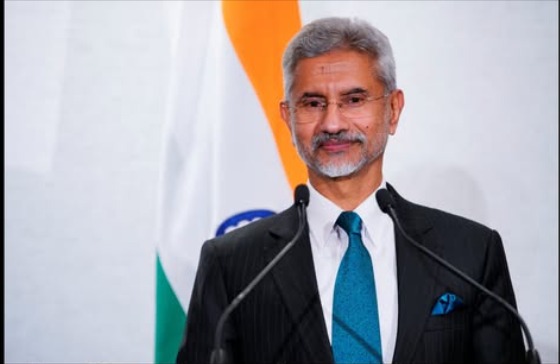
NEW DELHI — India is poised to serve as a stable buyer of oil for many years to come, the Ministry of External Affairs announced on Thursday, June 4, 2026. In a diplomatic briefing outlining the country’s long-term energy security strategy, officials confirmed that the Venezuelan government remains a friendly nation that explicitly wants an expanded partnership with India. According to the foreign ministry, Venezuela now looks at India as a preferred partner in the energy sector, culminating in an upcoming state visit where the Venezuelan acting president will personally tour major refining facilities in India.
NEW DELHI - India is poised to serve as a stable buyer of oil for many years to come, the Ministry of External Affairs announced on Thursday, June 4, 2026. In a diplomatic briefing outlining the country’s long-term energy security strategy, officials confirmed that the Venezuelan government remains a friendly nation that explicitly wants an expanded partnership with India. According to the foreign ministry, Venezuela now looks at India as a preferred partner in the energy sector, culminating in an upcoming state visit where the Venezuelan acting president will personally tour major refining facilities in India.
This development comes at a critical time for global commodity markets, as rapidly developing nations look to insulate their domestic economies from supply chain volatility. By locking in long-term diplomatic and trade goodwill with major crude producers, India aims to ensure a continuous supply of heavy crude to power its industrial manufacturing sector and stabilize fuel costs for domestic consumers.
Venezuela Targets India as Preferred Energy Sector Partner
The diplomatic overtures from South America mark a calculated shift in Caracas's global trade orientation. The Indian Foreign Ministry disclosed that the Venezuelan administration is actively seeking to deepen bilateral investments and crude allocation strategies. By designating India as a preferred partner in the energy sector, Venezuela seeks to secure a highly predictable, high-volume market for its vast oil reserves.
Diplomatic correspondents report that the relationship is mutually beneficial due to the specific structural configuration of India's energy infrastructure. Indian oil corporations have invested heavily in sophisticated secondary processing units capable of processing heavy, sour crude grades—the exact variety that dominates Venezuelan oil fields—making the bilateral trade economically viable for both jurisdictions.
Acting President to Inspect Indian Refining Facilities
A central pillar of the newly announced partnership is the impending state visit by Venezuela's acting president. The Ministry of External Affairs confirmed that the visiting head of state will tour state-of-the-art refining facilities in India to evaluate technical compatibility and finalize the logistics of expanded crude shipments.
India houses some of the world's largest and most complex oil refineries, including massive complexes located along its western coast. The tour by the Venezuelan leadership is designed to provide direct oversight of India's processing capabilities, paving the way for joint ventures, direct equity stakes in oil blocks, and updated supply agreements between state-owned enterprises.
Impact on Global Markets, Investors, and Consumers
The formalization of long-term oil ties yields direct macroeconomic and operational impacts across multiple global and domestic sectors:
| Impacted Group | Practical and Operational Implications |
| Energy Investors | Greater long-term clarity regarding input costs and raw material supply lines for publicly traded Indian oil corporations. |
| Domestic Consumers | Increased buffer against sudden geopolitical shocks in the Middle East, leading to more predictable retail fuel and transport pricing. |
| Refining Businesses | Maximized capacity utilization rates for heavy-crude processing units, enhancing overall refining margins and corporate profitability. |
Official Sources Section
The geopolitical declarations, diplomatic assertions, and state visit schedules detailed in this report are based directly on official press briefings and foreign policy disclosures from:
Quote Section
"India is going to be a stable buyer of oil for many years to come. The Venezuela government is friendly and wants a partnership with India. Venezuela looks at India as a preferred partner in the energy sector."
According to officials from the India Foreign Ministry
Why It Matters
As the world's third-largest oil consumer, India imports over 80 percent of its total crude requirements. Solidifying ties with Venezuela establishes a crucial alternative supply route that mitigates geographic concentration risks. For global energy markets, a guaranteed long-term purchasing commitment from New Delhi means that Venezuelan heavy crude will have a reliable, structurally aligned destination for the foreseeable future, irrespective of shifting spot-market dynamics.
Key Facts at a Glance
Long-Term Demand: India will remain a stable buyer of oil for many years to come to feed its expanding industrial infrastructure.
Preferred Status: The Venezuelan government views India as a preferred partner in the energy sector and seeks an expanded trade partnership.
Presidential Visit: Venezuela’s acting president is scheduled to visit and inspect specialized refining facilities in India.
Infrastructure Synergy: Indian refineries possess the advanced technological configurations required to efficiently process heavy Venezuelan crude oil grades.
Frequently Asked Questions
Why is Venezuela focusing on India for its oil exports?
Venezuela looks at India as a preferred partner because Indian refineries possess the rare and highly specialized technical capacity to process heavy crude oil efficiently. Additionally, India’s massive economic growth guarantees long-term, stable demand.
What is the significance of the Venezuelan acting president visiting Indian refineries?
The visit allows the Venezuelan leadership to inspect Indian refining facilities firsthand, ensuring technical alignment and establishing the political framework necessary for long-term supply contracts and mutual energy investments.
How does this partnership affect daily fuel consumers in India?
By diversifying its oil import sources and securing stable agreements with friendly nations like Venezuela, the Indian government can better shield domestic retail fuel prices from sudden price spikes caused by geopolitical disruptions in other parts of the world.
Source: Official briefing transcripts and policy statements issued by the Ministry of External Affairs (MEA), Government of India.