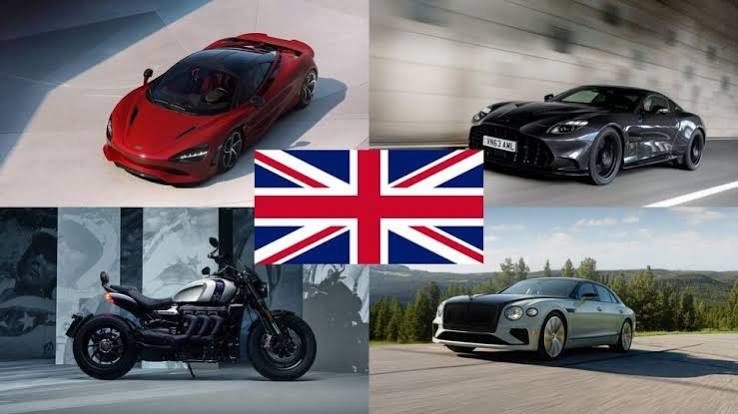
Beginning July 15, 2026, the India-UK CETA trade deal will drastically reduce import duties on British-made luxury vehicles. With tariffs dropping from 110% to 30% for high-end models, the move aims to boost bilateral trade and provide Indian consumers with more affordable access to premium automotive imports over the next five years.
NEW DELHI — Indian consumers and global automakers are bracing for a major shift in the automotive landscape as the India-UK Comprehensive Economic and Trade Agreement (CETA) comes into force on July 15, 2026. The landmark pact, which aims to bolster bilateral trade, introduces a phased, quota-based system that will drastically reduce import duties on conventional-engine vehicles imported from the United Kingdom.
For years, the Indian automotive market has imposed steep tariffs—reaching as high as 110%—on completely built units (CBUs), effectively restricting access to high-end British luxury vehicles. Under the new CETA framework, this barrier is set to be dismantled in stages, providing a long-awaited boost for enthusiasts and luxury car manufacturers alike.
Phased Duty Reductions and Quota Systems
The agreement outlines a clear five-year roadmap for tariff reductions. In the inaugural year, India will permit the import of 20,000 passenger vehicles from the UK at concessional rates.
According to notifications from the Directorate General of Foreign Trade (DGFT), the duty structure is tiered based on engine capacity:
Premium Vehicles: Petrol engines above 3,000cc and diesel engines above 2,500cc will see duties slashed from 110% to 30%, with a first-year quota of 10,000 units.
Mid-Range and Mass-Market Vehicles: Engines between 1,500cc and 3,000cc (petrol) and those up to 1,500cc will benefit from a reduction to 50% from the previous 66%, with a combined quota of 10,000 units.
The framework ensures these tariffs will continue to decline, reaching a floor of 10% for all internal combustion engine (ICE) categories by the fifth year. Simultaneously, the annual import quota is set to expand to 37,000 units by the fifth year of implementation.
Regulatory Requirements for Importers
While the trade deal promises lower costs, the Indian government has established stringent procedures to ensure compliance. Only authorized Original Equipment Manufacturers (OEMs) or their official channel partners are eligible to apply for Tariff-Rate Quotas (TRQs).
To claim these duty concessions, importers must provide a Certificate of Origin issued by UK authorities and submit a pre-purchase agreement from a UK-based OEM. The DGFT has emphasized that importers must endeavor to pass these tax savings directly to the final consumer.
Impact on the Luxury Automotive Sector
Industry analysts expect immediate shifts in the pricing of marquee British brands such as Jaguar Land Rover, Bentley, Rolls-Royce, and Aston Martin. Some manufacturers have already begun preemptive price adjustments; for instance, Jaguar Land Rover has reportedly reduced prices on specific high-end models like the Range Rover SV and Range Rover Sport SV in anticipation of the July 15 rollout.
However, the agreement maintains a protective buffer for alternative-fuel vehicles. Electric, hybrid, and hydrogen-powered cars will not receive immediate concessions. Tariff benefits for these segments are slated to begin only from the sixth year of the agreement, specifically targeting premium models priced above £40,000.
Official Sources
Information regarding the trade implementation has been confirmed by the Directorate General of Foreign Trade (DGFT) and reflected in official notifications published by the Ministry of Commerce and Industry. Regulatory filings confirm that the agreement is a central component of the broader bilateral economic strategy between India and the UK.
Why It Matters
This policy shift represents one of the most significant changes to India's automotive import regime in decades. By lowering the entry price for high-end British vehicles, the deal is expected to increase market competition, provide Indian consumers with greater choice, and signal a broader trend toward liberalized trade in the premium goods sector.
Key Facts at a Glance
Implementation Date: July 15, 2026.
Initial Tariff Drop: From 110% to 30% for high-end luxury vehicles.
Five-Year Goal: All conventional-engine imports to be taxed at a flat 10%.
First-Year Quota: 20,000 vehicles allowed at concessional rates.
Exclusions: Electric and hybrid vehicles are excluded from tariff benefits for the first five years.
FAQ
Will all imported British cars become cheaper immediately?
Price reductions depend on the specific engine category and whether the vehicle falls within the allocated Tariff-Rate Quotas. Only authorized OEM partners can avail of these benefits.
Are electric vehicles (EVs) included in the duty cuts?
No. EVs, hybrids, and hydrogen-powered vehicles are excluded from the duty concessions for the first five years of the CETA.
How does this affect current luxury car owners?
While the policy aims to reduce prices for new imports, existing owners may see changes in the resale value of their vehicles as the market adjusts to the lower cost of new imports.
What happens if the import quota is exceeded?
Vehicles imported beyond the specified annual quota will continue to be subject to the standard, higher customs duty rates until the next calendar year.
Source: Directorate General of Foreign Trade (DGFT), Ministry of Commerce and Industry, The Hindu, Economic Times