The Indian automotive industry is rolling out 23 high-profile vehicle launches, with electric models and alternative hybrids outpacing standard internal combustion engine layouts. Supported by a historic 11% retail EV penetration rate, major players are prioritizing highly digitized, eco-friendly platforms to fulfill surging consumer demand.
MUMBAI — The Indian auto market is gearing up for an intensive wave of structural transformation, with major automotive manufacturers locking in a staggering 23 new vehicle launches scheduled to roll out over the immediate coming weeks. The sweeping product influx highlights a stark technological inflection point for Asia's third-largest transportation hub: for the first time in domestic history, newly introduced electric vehicles (EVs) and alternative powertrains are fundamentally outpacing traditional Internal Combustion Engine (ICE) models in developmental priority.
According to consolidated manufacturing pipelines and dealership tracking indicators, automakers are rapidly pivoting to fulfill an unprecedented surge in domestic retail demand for clean energy and high-technology vehicles. Driven by recent spikes in fossil fuel pricing and volatile international energy corridors, Indian consumers are actively bypassing standard petrol and diesel configurations. This market shift is prompting legacy brands and emerging start-ups alike to flood the retail ecosystem with highly digitized electric platforms, plug-in hybrids, and specialized mass-market flex-fuel options.
The Powertrain Pivot: Pure EVs and Hybrids Take the Lead
The upcoming catalog of 23 product rollouts reveals a highly diverse spread of alternative propulsion systems, heavily skewing toward premiumization and connected cabin architecture. While entry-level and mid-tier electric models dominate by volume, luxury marques are leveraging the surge to deploy hybrid "bridge technologies" designed to completely eliminate highway range anxiety.
According to statutory data patterns tracking the June 2026 launch registry, the multi-tier market strategy highlights several critical corporate tracks:
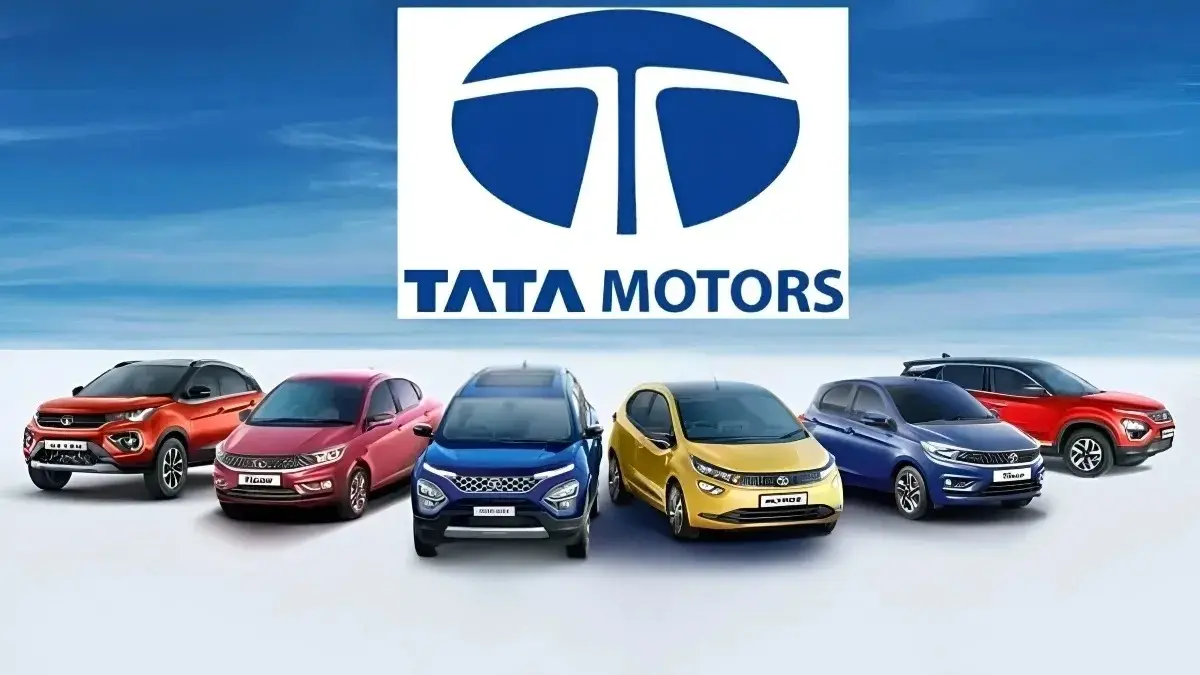
Iconic Brand Revivals: Tata Motors is preparing to launch its highly anticipated Tata Sierra EV, built on its modular 'acti.ev' platform, featuring a targeted range exceeding 500 km on a single charge.
Mass-Market Disruptions: Hyundai Motor India is positioning its tech-heavy Inster EV around an aggressive ₹12 lakh starting threshold, aiming to democratize Level 2 Advanced Driver Assistance Systems (ADAS) and dual-screen digitized cockpits for urban commuters.
Luxury Plug-In Integration: Mercedes-Benz India has unleashed its facelifted S-Class flagship, introducing the S 450e plug-in hybrid (PHEV) variant, which matches a 3.0-litre turbo-petrol inline-six engine with a 22 kWh battery pack.
Expanding Hybrid Ecosystems: Build Your Dreams (BYD) India is rolling out the Sealion 6, marking the Chinese EV giant's official entry into the domestic plug-in hybrid SUV segment, while Honda Cars India expands its e:HEV strong-hybrid technology via the premium ZR-V.
Retail Trajectory Defies Inflationary and Seasonal Pressures
The strategic rationale behind this heavy launch schedule is supported by robust, record-breaking consumer demand. Data released by the Federation of Automobile Dealers Associations (FADA) reveals that despite severe multi-regional heatwaves and minor near-term manufacturing cost increases, the Indian automobile retail market hit an all-time record of 2.53 million units retailed in May 2026 alone.
Crucially, the broader passenger electric vehicle market expanded at a rapid 57% year-on-year pace during the opening months of 2026, significantly outstripping the standard 13% expansion recorded by the baseline conventional market. Analysts attribute this sustained acceleration to a structural evolution in consumer preferences; vehicles are increasingly evaluated as connected smart devices rather than simple mechanical transport tools. Digital cockpit adoption has ticked up to 39%, and integrated connected vehicle software architectures are projected to capture up to 45% of the total market share by the end of the calendar year.
Official Sources Section
The production metrics, variant specifications, and launch schedules cited in this report are anchored directly on public investor filings distributed by Tata Motors Limited, Kia India, and Mercedes-Benz AG. Retail volume data and penetration percentages correspond with the comprehensive May 2026 monthly vehicle registration bulletins officially maintained by the Federation of Automobile Dealers Associations (FADA) and synchronized via the national Vahan system.
Quote Section
"According to industry officials presenting the near-term pipeline forecasts, the sheer volume of alternative fuel configurations marks a permanent structural reorganization. Organizing experts at FADA stated that while traditional internal combustion variants will maintain an industrial presence via flex-fuel transitions, consumer premiumization and ecosystem charging expansions mean the primary capital commitments of global makers have now tilted irrevocably toward advanced electrification."
Why It Matters
The historic influx of 23 new automotive variants carries profound real-world implications for common citizens, urban commuters, tech investors, and the environment. For active car buyers, the fierce competition among standard EVs, strong hybrids, and plug-in variants effectively narrows the historical price premium between green options and legacy ICE cars, with entry-level options dropping into highly accessible brackets.
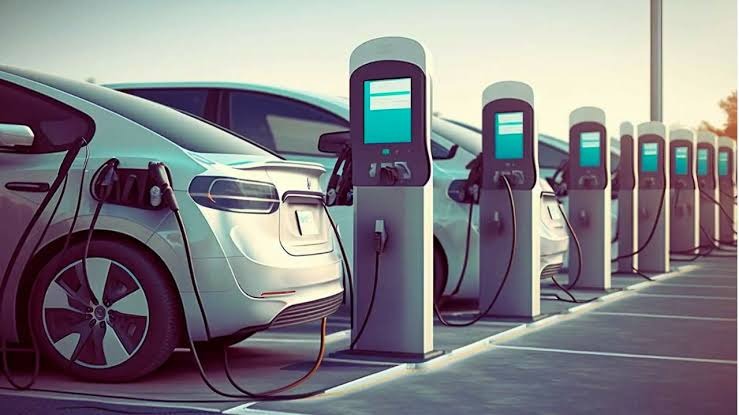
For the wider infrastructure grid, the swift scaling of connected, software-defined vehicles speeds up corporate investments in high-speed public charging corridors along major national highways. This shift actively shields the macroeconomy from global oil price volatility while simultaneously reducing toxic urban emission profiles across India's high-density metropolitan hubs.
Key Facts at a Glance
Launch Wave Inbound: The Indian automotive industry is executing 23 distinct vehicle launches over a highly compressed timeframe.
EV Momentum Surges: Advanced electric passenger vehicle retail volumes expanded by 57% in early 2026, outrunning legacy ICE sectors.
Penetration Milestone Crossed: Overall electric mobility penetration across India's unified auto retail market breached the 11% marker for the first time in history.
Bridge Tech Expansion: Luxury and premium manufacturers like Mercedes-Benz and BYD are rolling out sophisticated plug-in hybrids to conquer range anxiety.
Smart Device Synergy: Over 90% of newly launched premium passenger platforms now integrate high-tier Level 2 ADAS and connected smart cockpits as default settings.
FAQ Section
Why are automakers launching more EVs and hybrids than traditional petrol cars right now?
Automakers are reacting to clear consumer demand shifts driven by high international fuel costs, a stable green vehicle financing environment, and a rapidly expanding public charging network. Consumers increasingly view vehicles as smart connected devices, favoring advanced electric and hybrid platforms.
What is the practical difference between a Strong Hybrid (e:HEV) and a Plug-in Hybrid (PHEV)?
A strong hybrid, like the Honda ZR-V, utilizes an onboard gasoline engine solely to charge its internal battery and assist the electric motor, requiring no external wall plug. A plug-in hybrid, like the Mercedes S 450e, features a larger battery that can be plugged into a standard charging station, enabling a dedicated, emissions-free all-electric driving range for standard daily city commutes.
Are these upcoming vehicles targeted entirely at the premium luxury segment?
No. While premium coupe-SUVs and luxury sedans are arriving from brands like BMW and Mercedes, the launch wave features heavily anticipated mass-market platforms under ₹15 lakh, including the Hyundai Inster EV and the revived Tata Sierra EV.
Source: FADA Official Auto Retail Registries, Tata Motors Media Bureau, Mercedes-Benz India Corporate Newsroom.