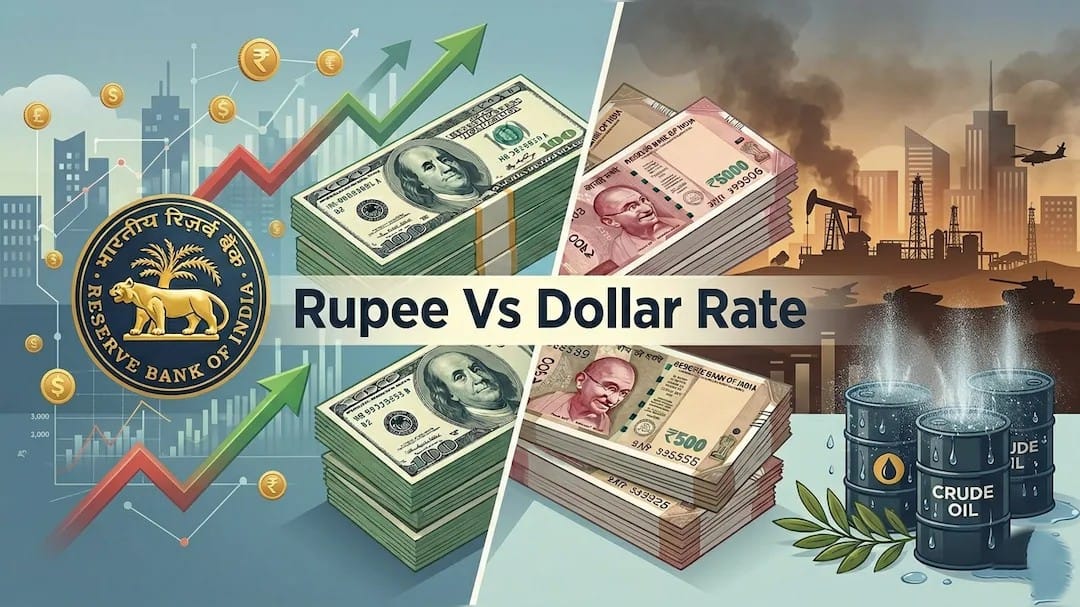
The Indian rupee opened nearly unchanged at 94.49 per U.S. dollar compared to its previous close of 94.4850. The currency maintained a tight range as traders balanced routine corporate dollar demand against ongoing central bank liquidity monitoring.
At the interbank foreign exchange market, the Indian rupee opened at 94.49 per U.S. dollar, showing virtually no movement from the previous close of 94.4850. The currency's narrow opening range reflects cautious trading sentiment among domestic and foreign institutional participants as they monitor evolving global crude oil prices, shifting U.S. macroeconomic indicators, and potential intervention patterns by the Reserve Bank of India (RBI). Market desks reported subdued volatility during early morning trades, with participants awaiting clearer cues from upcoming domestic inflation prints and global central bank policy paths.
Foreign Exchange Dynamics and Market Liquidity
The stability of the Indian rupee comes amid a complex backdrop of high foreign exchange reserves and active liquidity management by the central bank. Currency traders note that while substantial non-resident foreign currency inflows have bolstered domestic buffers in recent weeks, sustained dollar buying by state-run banks on behalf of domestic oil importers continues to place a structural floor under the USD/INR exchange pair.
Additionally, market participants are keeping a close watch on forward dollar positions and upcoming maturity schedules. Analysts indicate that these liquidity dynamics require continuous central bank oversight to prevent sharp intraday fluctuations while maintaining orderly market conditions across domestic financial hubs.
Impact on Importers, Exporters, and Investors
For corporate entities, importers, and foreign investors, a range-bound Indian rupee provides short-term predictability in cross-border trade settlements and external commercial borrowings. Importers—particularly petroleum refiners facing elevated global crude benchmarks—must continuously service regular dollar purchasing requirements.
Conversely, domestic exporters benefit from stable exchange rates that minimize hedging uncertainties. Foreign portfolio investors (FPIs) tracking debt and equity segments view a steady currency corridor as a positive indicator of macroeconomic resilience, reducing immediate mark-to-market currency risks on local asset holdings.
Official Sources Section
Market opening levels, exchange rate valuations, and liquidity data are tracked according to official interbank foreign exchange reports, treasury desk summaries, and statistical updates compiled by financial reporting channels including Reuters.
Quote Section
According to financial market reports and interbank foreign exchange dealers, the Indian rupee opened at 94.49 per U.S. dollar, remaining little changed from the previous close of 94.4850 amid balanced offshore flows and local corporate demand.
Why It Matters
The stability of the Indian rupee serves as a key indicator of macroeconomic health, directly influencing import costs, domestic retail inflation, and foreign investment flows. Maintaining a controlled currency band helps shield the domestic economy from external commodity shocks and global monetary volatility.
Key Facts at a Glance
Opening Rate: The Indian rupee opened at 94.49 against the U.S. dollar.
Previous Close: The currency closed its prior session at 94.4850.
Market Context: Trading remains range-bound as participants weigh oil price movements against central bank liquidity measures.
Asset Class: Foreign exchange spot market (USD/INR).
FAQ Section
What was the opening exchange rate for the Indian rupee? The rupee opened at 94.49 per U.S. dollar, showing minimal change from the previous close of 94.4850.
What factors influence the daily movement of the Indian rupee? Key drivers include global crude oil prices, dollar index fluctuations, foreign institutional capital flows, and intervention by the Reserve Bank of India.
How does a stable rupee impact domestic consumers? A stable currency helps temper imported inflation pressures, particularly regarding energy and electronic goods, stabilizing retail consumer prices.
Where are daily foreign exchange rates settled in India? Transactions are executed and cleared across authorized dealer banks within the interbank foreign exchange market regulated by the RBI.
Source: Reuters, Reserve Bank of India, Financial Express