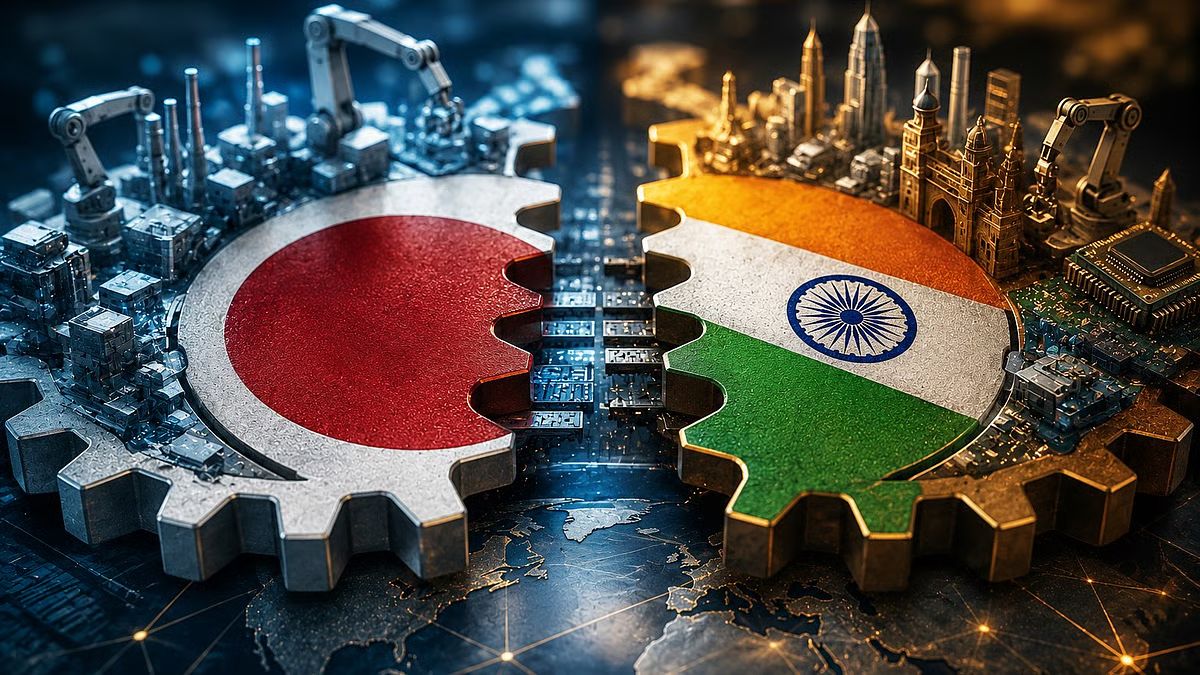
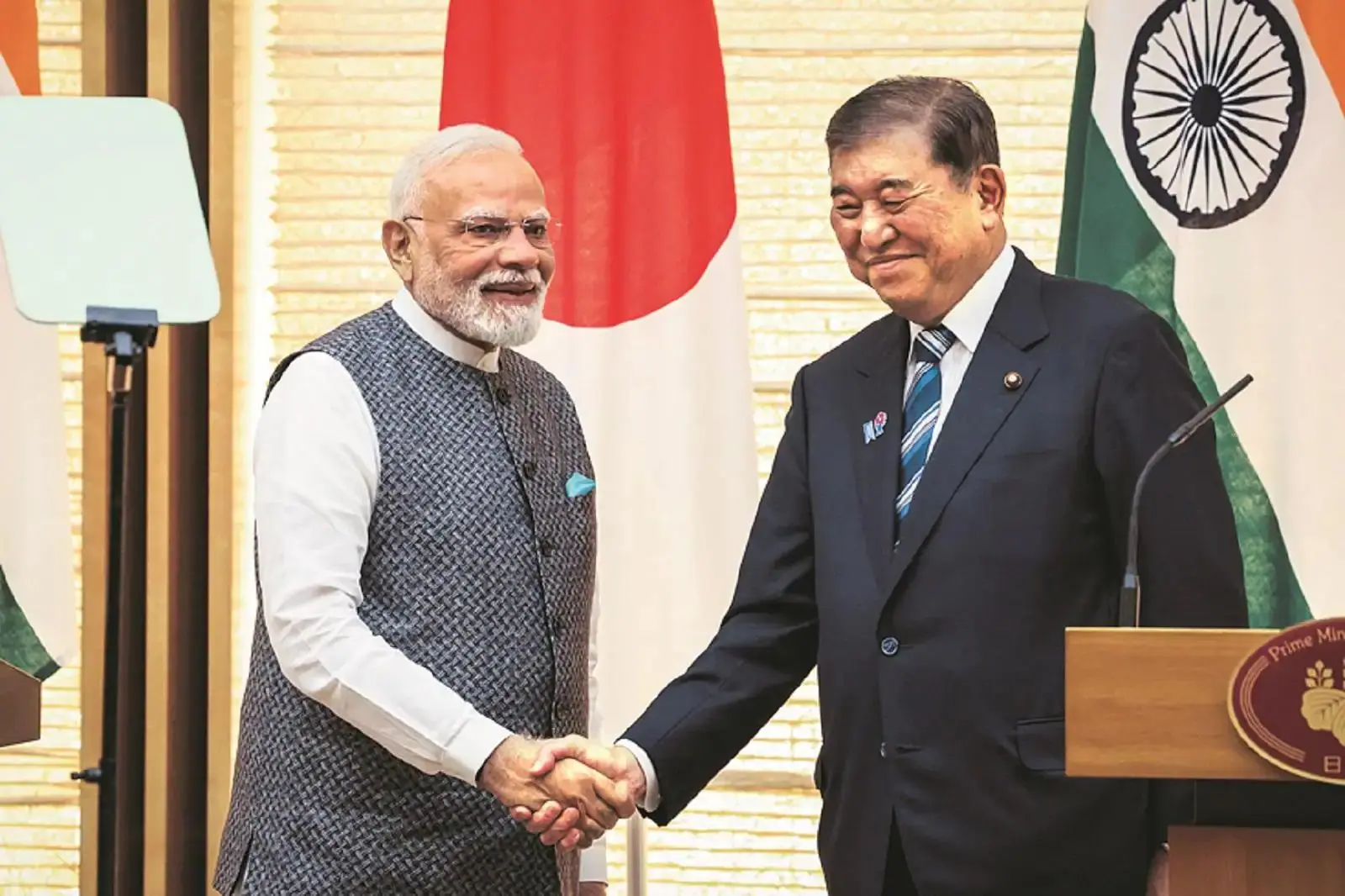
Japan has sharply accelerated foreign direct investments into India, surpassing ₹2.7 lakh crore as part of a strategic "China Plus One" diversification plan. Driven by rising labor costs and regulatory friction in Beijing, Japanese lenders, automakers, and technology firms are redirecting multi-billion-dollar commitments toward Indian manufacturing and financial sectors.
Backed by official trade disclosures and corporate filings, Japanese industrial leaders and financial institutions are systematically accelerating investments in India to mitigate regional supply chain vulnerabilities.
Marking a historic realignment of Asian capital markets, Japanese enterprises have aggressively scaled up foreign direct investment (FDI) across India, pushing cumulative inflows beyond ₹2.7 lakh crore. Documented through official economic releases and trade analyses in September 2026, the strategic pivot is propelled by the widespread adoption of the "China Plus One" framework. Faced with tightening regulatory environments, rising labor overheads, and persistent property sector slowdowns in Beijing, Tokyo-headquartered corporations—spanning automotive giants like Toyota, Honda, and Suzuki, alongside mega-lenders such as MUFG Bank—are repositioning India as their primary alternative manufacturing and consumer base.
Evaluating Supply Chain Resilience, Financial Pledges, and Sector Expansion
Analyzing the mechanics of this cross-border capital reallocation reveals a deliberate shift from regional hedging to deep economic integration. According to official announcements from the Ministry of Economy, Trade and Industry (METI) and recent bilateral economic summits, core developments include:
Massive Financial Commitments: Japan has pledged approximately $68 billion (roughly ¥10 trillion) in private and public investments over the decade, consistently outpacing Japanese capital allocation into traditional Chinese markets.
Diversification Beyond Manufacturing: While automotive and heavy machinery anchors remain robust, recent capital inflows target advanced sectors, including semiconductor fabrication in Gujarat, AI-driven infrastructure, fintech, and organized retail.
Banking and Equity Inflows: Major Japanese financial institutions are executing multi-billion-dollar acquisitions, highlighted by MUFG Bank’s $4.4 billion stake acquisition in Shriram Finance, representing one of the largest foreign financial investments in Indian corporate history.
Ecosystem Integration: Rather than operating isolated export hubs, Japanese firms are actively integrating domestic micro, small, and medium enterprises (MSMEs) as tier-one component suppliers and technological collaborators.
Why It Matters
The practical implications of accelerated Japanese investment reshape industrial competitiveness and financial stability across South Asia. For Indian businesses and manufacturing ecosystems, the influx of foreign capital introduces advanced automation, rigorous quality standards, and integration into global supply chains. For international investors, the steady migration of capital away from single-nation concentration points establishes a more balanced, risk-mitigated economic architecture across the Indo-Pacific region.
Key Facts at a Glance
Investment Milestone: Cumulative Japanese FDI in India has surpassed ₹2.7 lakh crore.
Core Strategy: Adoption of the "China Plus One" model to minimize geopolitical and operational concentration risks.
Pledged Capital: Up to $68 billion targeted over a ten-year horizon across automotive, green energy, and tech sectors.
Key Sectors: Semiconductors, financial services, digital infrastructure, automotive engineering, and consumer retail.
FAQ Section
Why are Japanese companies shifting investments from China to India?
Japanese firms are mitigating risks tied to slower growth, rising labor costs, regulatory uncertainties, and supply chain bottlenecks in China by embracing India's large consumer market and stable growth environment.
What is the financial scale of Japanese investments in India?
Bilateral commitments have scaled dramatically, with cumulative FDI crossing ₹2.7 lakh crore and long-term private investment pledges touching approximately $68 billion.
Which key sectors are benefiting most from this capital shift?
Primary beneficiaries include automotive manufacturing, semiconductor fabrication, digital fintech startups, enterprise cloud infrastructure, and financial lending institutions.
How does the "China Plus One" strategy impact Indian businesses?
The strategy encourages Japanese firms to partner with domestic MSMEs and local component suppliers, helping build robust, localized manufacturing ecosystems within India.
Where can readers verify official trade data regarding Indo-Japan investments?
Verified economic reports and data filings are accessible through the Japan External Trade Organization (JETRO) and the Ministry of Commerce and Industry, Government of India.
Source: Japan External Trade Organization (JETRO), Ministry of Foreign Affairs of Japan, The Economic Times, The Secretariat Economic Desk