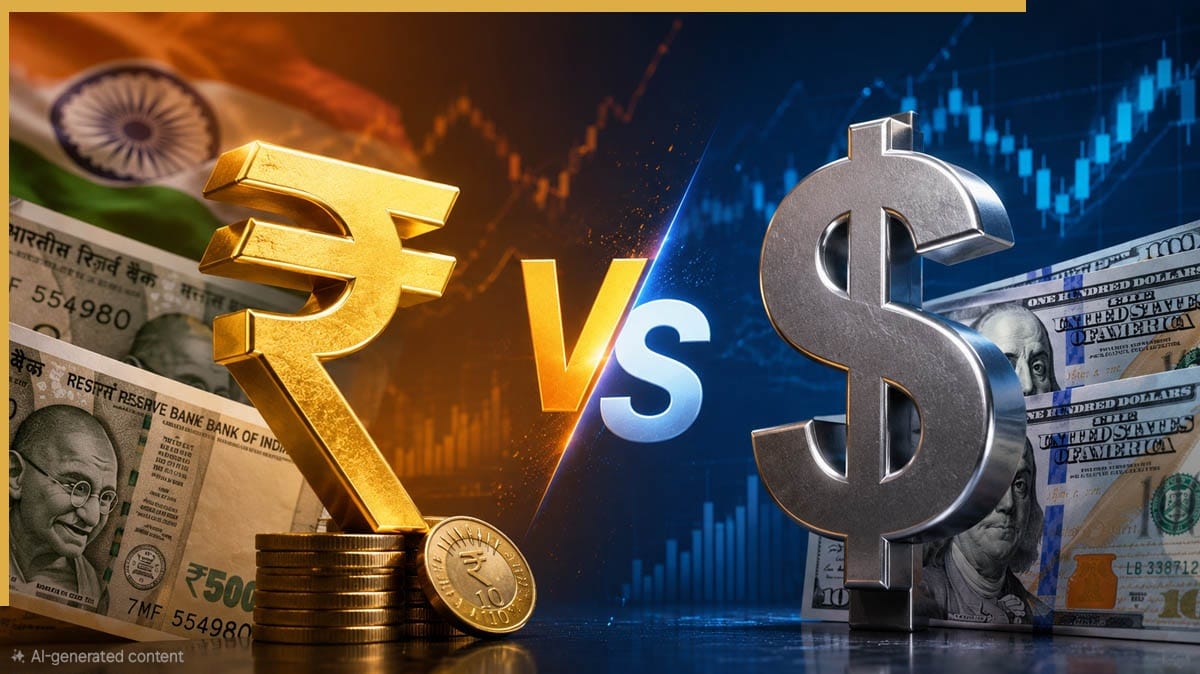
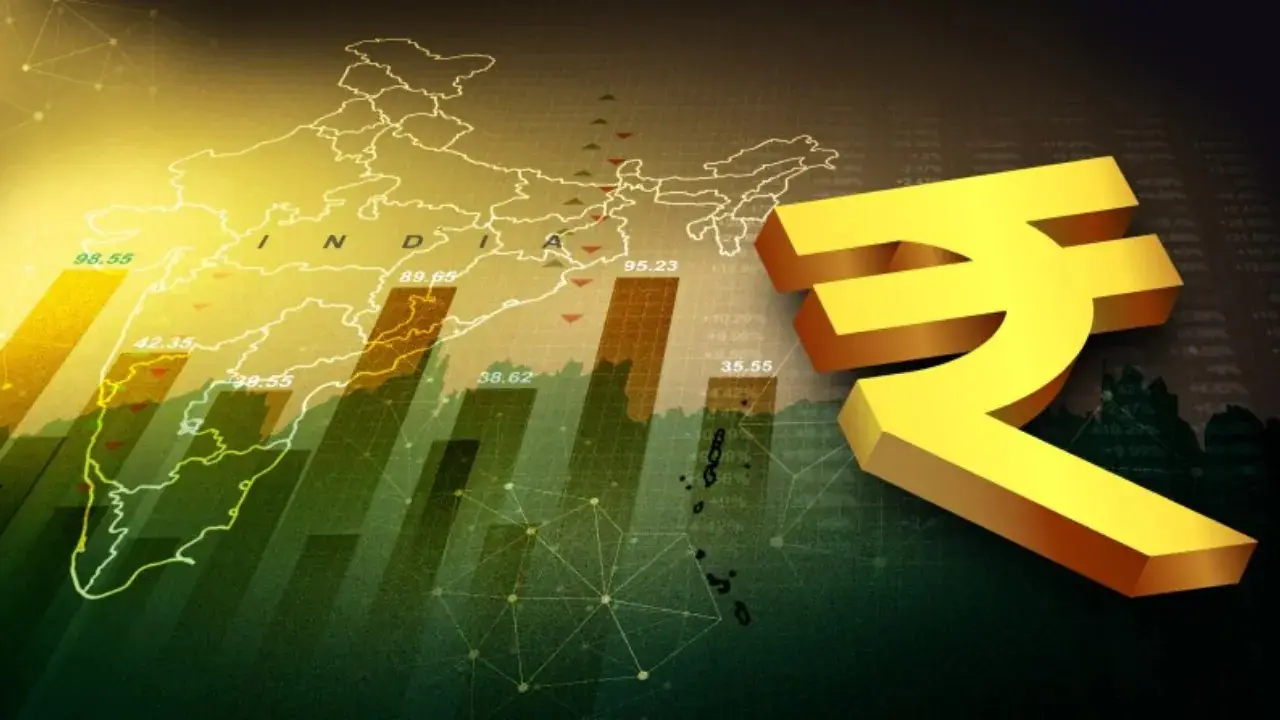
The Indian rupee depreciated by 0.1 percent to trade at 95.4900 per U.S. dollar on August 31, 2026, down from its previous close of 95.3775. The movement reflects persistent demand for dollars from domestic importers alongside foreign institutional capital outflows from domestic financial markets.
MUMBAI — The Indian rupee opened weaker against the U.S. dollar on August 31, 2026, dropping 0.1 percent to 95.4900 per dollar in early foreign exchange trading.
The decline represents a modest pull-back from the currency's previous session close of 95.3775 per dollar. Currency traders attributed the weakness to steady dollar demand from importers and institutional outflows, which offset localized foreign exchange intervention by monetary authorities.
Dollar Strength and Foreign Capital Outflows Pressure Rupee
The interbank foreign exchange market witnessed renewed selling pressure on the rupee during early morning sessions, pushing the exchange rate higher toward the 95.4900 level.
Key factors contributing to the currency's movement include:
Sustained Dollar Demand: Importers, particularly state-run oil refining firms, increased dollar purchases to cover monthly settlement obligations.
Capital Outflows: Foreign institutional investors (FIIs) remained net sellers in domestic equity markets, reducing foreign capital inflows into the local banking system.
Global Macro Shifts: Broad-based firming of the U.S. dollar index against major regional Asian currencies kept pressure on emerging market FX desks.
Sectoral and Consumer Impact
The weakening of the Indian rupee against the U.S. dollar carries broad economic consequences across multiple domestic sectors:
Import Costs: Rising exchange rates increase land costs for crude oil, electronic components, and industrial machinery, adding cost pressures to domestic manufacturing supply chains.
Export-Oriented Industries: Sectors such as Information Technology (IT) and Pharmaceuticals stand to benefit marginally from higher realization rates on dollar-denominated revenue contracts.
International Travel and Education: Indian citizens funding overseas education, foreign travel, or medical treatment face elevated costs when purchasing foreign currency.
Retail Consumers: Extended weakness in the exchange rate can contribute to pass-through inflation on imported consumer goods and energy products.
Official Sources Section
According to official daily trading data released by the Reserve Bank of India (RBI) and exchange desk notifications from the Fixed Income Money Market and Derivatives Association of India (FIMMDA), reference pricing for the USD/INR currency pair opened at 95.4900 following market clearing sessions.
Quote Section
"According to exchange market dealers, corporate hedging activities and ongoing monthly dollar payments by major importers continue to dictate short-term fluctuations in the local currency market."
Why It Matters
The exchange rate directly influences domestic inflation metrics, foreign trade balances, and corporate earnings for multinational companies operating within India. Tracking the movement of the USD/INR pair provides critical indications regarding macro-stability and domestic monetary policy direction.
Key Facts at a Glance
Current Exchange Rate: 95.4900 INR per 1 U.S. Dollar.
Percentage Change: Down 0.1% in morning trade.
Previous Close: 95.3775 INR per U.S. Dollar.
Primary Drivers: Oil importer demand, foreign capital outflows, and broad U.S. dollar index movement.
Frequently Asked Questions (FAQ)
What was the opening rate of the Indian Rupee against the U.S. Dollar on August 31, 2026?
The Indian rupee opened at 95.4900 per U.S. dollar, declining 0.1% from the previous session's close.
What was the previous closing price for the USD/INR pair?
The previous closing rate stood at 95.3775 rupees per U.S. dollar.
Why is the Indian rupee depreciating against the U.S. dollar?
The depreciation is primarily driven by persistent dollar demand from commercial importers, capital outflows by foreign institutional investors, and global strength in the U.S. dollar index.
How does a weaker rupee impact domestic consumers?
A weaker rupee increases the cost of imported goods, fuel, and international services, which can contribute to higher domestic consumer inflation over time.
Source: Reserve Bank of India (RBI), Fixed Income Money Market and Derivatives Association of India (FIMMDA), Ministry of Finance.