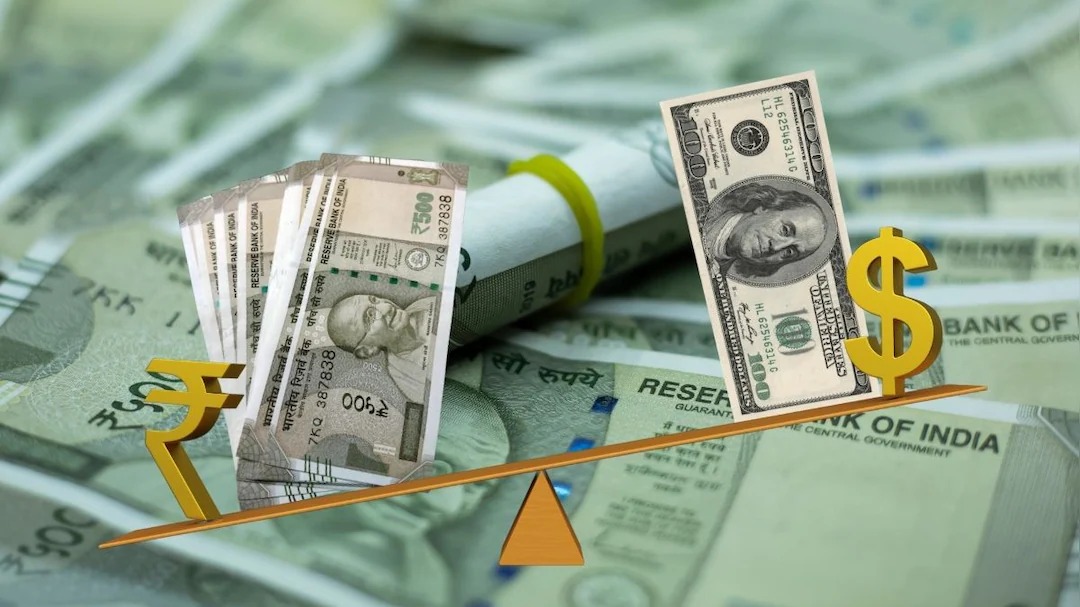
The Indian rupee appreciated to 95.28 against the U.S. dollar on July 7, 2026, supported by Saudi Arabia's $11/barrel cut in crude oil prices for Asia. Despite lingering security concerns in the Strait of Hormuz, net buying by Foreign Institutional Investors and lower oil costs boosted domestic market sentiment.
The Indian Rupee appreciated 15 paise to 95.28 against the U.S. dollar on Tuesday, bolstered by a significant reduction in crude oil prices for Asian markets.
MUMBAI — The Indian rupee (INR) staged a recovery in early trade on July 7, 2026, climbing 15 paise to reach 95.28 against the U.S. dollar. The currency’s upward movement follows a period of volatility and was primarily driven by improved market sentiment after Saudi Arabia announced a substantial cut in crude oil prices for Asian buyers.
As India is a major importer of energy, fluctuations in global oil prices significantly impact the rupee’s valuation. The current gain is viewed as a welcome relief by market participants, as it follows a session where the currency had settled at 95.43 against the greenback.
Impact of Global Energy Markets
The primary catalyst for the rupee’s strengthening is Saudi Arabia’s decision to slash crude oil prices for Asia by $11 per barrel. Analysts describe this as a record cut—the largest in the last 26 years—aimed at improving supply conditions and stabilizing the regional energy market.
"The positive factor for the Indian rupee was Saudi Arabia slashing Asia oil prices by $11 per barrel in a record cut in the last 26 years amid improving supply conditions," said Anil Kumar Bhansali, Head of Treasury and Executive Director at Finrex Treasury Advisors LLP.
Despite this positive move, the currency markets remain sensitive to geopolitical developments. Renewed security concerns in the Strait of Hormuz—following reports of a projectile hitting a commercial tanker off the coast of Oman—have introduced a "risk premium" to energy trading. While the lower prices from Saudi Arabia provided immediate support to the INR, Brent crude futures were still trading higher at $72.45 per barrel as markets weighed supply improvements against regional security volatility.
Institutional and Economic Context
Market participants are also monitoring capital flows closely. Recent exchange data indicates that Foreign Institutional Investors (FIIs) were net buyers in the domestic equity market on Monday, purchasing shares worth ₹243.03 crore. This influx of foreign capital has provided additional technical support to the rupee.
Domestic equities also responded favorably to the improved outlook, with the BSE Sensex gaining 176 points to reach 78,461.16, and the NSE Nifty rising 34.1 points to 24,464.45 in early trade. Despite these gains, treasury experts note that demand for U.S. dollars from domestic oil refiners—such as Indian Oil and HPCL, which recently floated tenders to purchase 7 million barrels of crude—remains a consistent factor keeping the dollar "well bid" in the interbank market.
Official Sources
Data regarding the currency’s performance and market sentiment was gathered from treasury updates and reports from the Reserve Bank of India (RBI) and major financial news agencies tracking the interbank foreign exchange market.
Why It Matters
The strengthening of the rupee is critical for India's macroeconomic stability. A stronger currency helps lower the import bill for essential commodities, particularly crude oil, which can alleviate inflationary pressures and improve the current account deficit. For businesses, a more stable or appreciating rupee provides predictability in import costs, while investors closely monitor these fluctuations to gauge the strength of India’s foreign exchange reserves and the broader economic climate.
Key Facts at a Glance
Currency Movement: The Indian rupee rose 15 paise to 95.28 against the USD in early trade.
Key Driver: Saudi Arabia slashed August crude oil prices for Asia by $11 per barrel.
Market Sentiment: Improved sentiment is supported by net buying from Foreign Institutional Investors (FIIs).
Persistent Risks: Ongoing geopolitical tensions in the Strait of Hormuz continue to influence Brent crude futures and global energy pricing.
Frequently Asked Questions
Why does the price of crude oil affect the Indian rupee?
India imports a vast majority of its oil requirements, paying for these imports in U.S. dollars. When oil prices rise, the demand for dollars increases, putting downward pressure on the rupee. Conversely, lower oil prices reduce dollar demand, supporting the rupee.
What is the role of FIIs in this movement?
Foreign Institutional Investors (FIIs) bring foreign capital into the Indian stock market. When they are net buyers, they often convert foreign currency into rupees, which increases the demand for the rupee and helps it appreciate.
How do geopolitical tensions impact the currency?
Tensions in critical shipping lanes like the Strait of Hormuz create uncertainty regarding energy supplies. This risk premium often drives up the price of oil, which in turn weakens the currencies of energy-importing nations like India.
Source: Reserve Bank of India (RBI), Finrex Treasury Advisors LLP, BSE India, NSE India