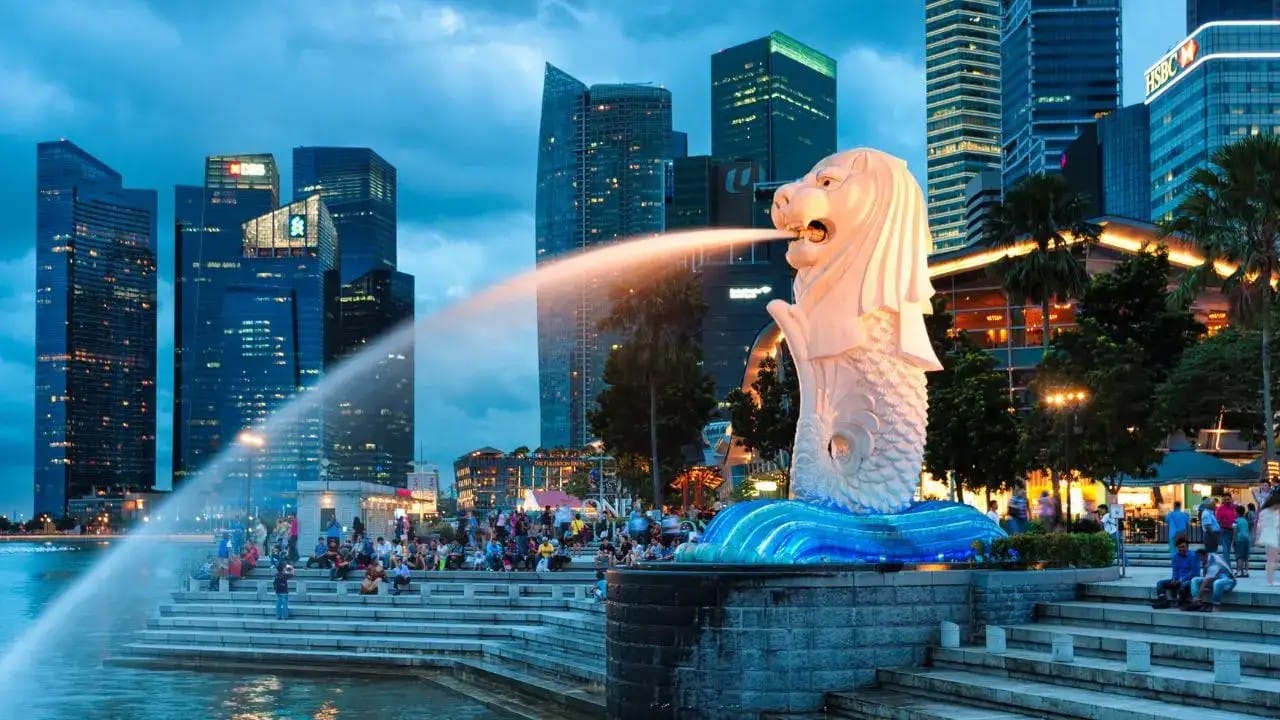
According to the Julius Baer Global Wealth and Lifestyle Report 2026, Singapore remains the world's most expensive city for luxury spending for a fourth consecutive year. Driven by currency fluctuations, Zurich climbed to second place while Monaco entered the top three, pushing Hong Kong to fourth.
ZURICH, Switzerland — Swiss private banking corporation Julius Baer Group officially released its highly anticipated Global Wealth and Lifestyle Report 2026 on Tuesday, July 7, 2026, revealing that Singapore has retained its position as the world's most expensive city for luxury spending for the fourth consecutive year. The annual macroeconomic index, which systematically tracks the cost of a curated basket of 20 premium goods and services across 25 global metropolises, highlights a massive shift in how international wealth hubs are evaluated by high-net-worth individuals (HNWIs).
The publication of this year's rankings is highly critical today as sudden, dramatic currency swings and surging raw material costs—specifically gold, which has more than doubled since 2024—fundamentally alter global purchasing power. As international investors navigate a highly fragmented geopolitical landscape, the report illustrates that the ultra-wealthy are migrating away from volatile regions, choosing instead to anchor their physical assets and residential structures in urban economies that offer maximum political stability, robust judicial security, and reliable wealth preservation.
Currency Volatility Reshapes the Global Top Five Leaderboard
While Singapore securely defended its leading position at the apex of the index, significant exchange rate fluctuations generated severe movement throughout the rest of the top five tier. Zurich climbed three places from its previous position to secure second place globally, effectively overtaking London. According to the banking group's research desk, Zurich’s rapid ascent was propelled almost entirely by the stark appreciation of the Swiss franc against the U.S. dollar, rather than drastic internal domestic price hikes.
Concurrently, the microstate of Monaco broke into the top three for the first time since the inception of the lifestyle survey in 2020. The principality's upward movement was similarly driven by a combination of exceptionally steep real estate costs and a stronger euro elevating local prices when calculated on a dollar-denominated basis. This surge successfully pushed Hong Kong down into fourth place, while London rounded out the top five.
Heavyweight Asset Weights Defend Singapore's Capital Dominance
The continued dominance of Singapore as the primary world's costliest city for luxury spending is tied directly to the structural composition of the Julius Baer Lifestyle Index. The metric places its heaviest analytical weightings on two primary consumer categories: residential luxury real estate and premium passenger vehicles. In Singapore, both sectors remain remarkably inflated due to localized regulatory frameworks, vehicle quota registration fees, and heavy foreign capital inflows seeking safe-haven placement.
However, the wealth manager clarified that the city-state's status should not be analyzed strictly as a negative financial burden. The steady appreciation of the Singapore dollar acts as a dual-edged mechanism; while it elevates nominal costs for incoming global travelers, it simultaneously reinforces the purchasing power of localized residents and provides an elite environment for institutional succession planning and corporate asset governance.
Regional Trends: Asia Pacific Powerhouses and the Americas' Absence
The broader geographical findings published by Julius Baer Group illustrate that the Asia-Pacific (APAC) region continues to operate as an economic engine for high-end consumption, containing exactly five of the top ten entries. Beyond Singapore and Hong Kong, the leaderboard includes Shanghai at sixth place, Sydney at eighth place—marking the year's highest climb by jumping six spots due to an assertive Australian dollar—and Bangkok holding the tenth spot.
In stark contrast, for the first time in three consecutive iterations of the annual report, not a single metropolis from the Americas managed to place within the global top ten tier. New York remained the highest-ranked regional representative at 11th place, closely trailed by São Paulo at 12th. Analysts noted that despite strong internal price increases within North American luxury stores, the relative depreciation of the U.S. dollar against euro-zone and Swiss currencies effectively suppressed the region's placement in the global comparison.
Official Sources Section
The corporate datasets, asset weighting percentages, and city rankings utilized in this market dispatch are derived directly from the official publication materials of the Julius Baer Global Wealth and Lifestyle Report 2026. Raw data collection was executed by the financial group's equities research teams across two distinct statistical rounds spanning from November 2025 through March 2026, interviewing high-net-worth individuals possessing investable household assets valued at $1 million or higher.
Quote Section
The underlying psychological transformation dictating elite global consumer spending habits was highlighted directly by the wealth manager's research leadership.
"Currency, once again, is at the forefront, but it is the interaction between currencies, assets, and behavior that defines the real story," stated Christian Gattiker, Head of Research at Julius Baer, in the official report release.
Addressing the shift from raw expenditure toward long-term systemic stability, the analytical division added:
"Organizers stated that the focus has shifted from cost to value, seeking cities that offer the best mix of stability, quality of life, and balance between income and expenses."
Why It Matters
For multinational corporations, real estate developers, luxury brands, and global asset managers, these shifting urban rankings dictate where corporate infrastructure expansion and high-end retail inventories should be deployed. The complete absence of American cities from the top ten underscores how profoundly currency valuation influences corporate operational overhead. For affluent families, these rankings serve as a functional guide for cross-border migration, multi-generational tax structuring, and long-term asset protection in an increasingly volatile global framework.
Key Facts at a Glance
Top Rank Maintained: Singapore claims the title of the world's costliest city for luxury spending for the fourth consecutive year.
European Ascency: Zurich surged to second place globally, driven heavily by the strengthening of the Swiss franc.
Monaco's Record: Monaco broke into the global top three for the first time since index tracking began in 2020.
Americas Drop Out: For the first time in three years, zero cities from North or South America placed within the global top ten.
Commodity Pressure: Escalating global raw material costs, led by gold more than doubling since 2024, aggressively inflated the pricing of jewelry and watches worldwide.
Frequently Asked Questions (FAQ)
What goods and services are tracked to compile this luxury cost list?
The Julius Baer Lifestyle Index reviews a specific basket of 20 luxury goods and services, including premium residential property, high-end cars, private school tuition, premium healthcare, watches, and designer jewelry.
Why does Singapore consistently rank higher than other global cities?
Singapore’s persistent first-place ranking is primarily driven by exceptionally high costs associated with car ownership and luxury real estate, alongside the sustained strength of the Singapore dollar.
How did currency fluctuations impact the rankings of Western cities this year?
The appreciation of the Swiss franc and the euro pushed Zurich and Monaco up the list, while the relative weakness of the U.S. dollar kept major hubs like New York outside the global top ten.
Source: Julius Baer, The Straits Times, The Japan Times